The moment you pick up a bottle of blanco, reposado, or añejo tequila, you're making a decision that shapes everything from its flavor profile to how it performs in your glass. Blanco vs reposado vs añejo tequila represents three distinct aging categories defined by time in oak, each delivering fundamentally different taste experiences. Whether you're building a margarita, sipping neat, or hunting for your next favorite bottle, understanding these categories is non-negotiable. This guide walks through cask time, flavor evolution, cocktail pairings, and a practical decision flowchart to help you choose wisely.
What Defines Each Tequila Category
In Mexico, tequila's aging classifications are legally mandated. The difference between blanco, reposado, and añejo isn't subjective—it's written into the Tequila Regulatory Commission (CRT) standards. Blanco tequila, also called silver, is bottled immediately after distillation or aged for a maximum of 60 days in stainless steel or neutral vessels. It contains no oak contact, which means no color development and no wood-derived flavor compounds. Reposado means "rested," and the CRT definition is precise: tequila aged a minimum of two months but less than one year in oak casks. Añejo tequila is aged a minimum of one year in oak, typically in ex-bourbon barrels, which impart vanilla, caramel, and spice notes. Extra Añejo (also called Ultra Aged) must rest for at least three years, though you'll see this less frequently on shelves.
These definitions matter because they set expectations. When you're comparing bottles, the aging statement—or lack thereof—tells you exactly what you're getting chemically and sensorially.
Flavor Evolution: Blanco to Añejo
The journey from blanco to añejo is one of progressive wood influence. Blanco tequila is the most direct expression of the agave plant itself. You taste cooked agave, citrus, peppery ethanol burn, and bright herbaceous notes. There's no oak mask, no vanilla sweetness, no color. Blanco is raw and honest. As agave rests in oak for two to eleven months, reposado emerges with softer edges. Wood compounds—vanillin, tannins, lactones—slowly infuse into the spirit. You start noticing caramel, honey, subtle oak vanilla, and a rounder mouthfeel. The agave is still the star, but oak becomes a supporting player. By the time a tequila reaches añejo status after a year in wood, oak has fully integrated. The nose smells like a bourbon-adjacent spirit: butterscotch, toasted oak, cinnamon. The palate is smooth, warming, and rich—yet the agave foundation, if the producer is honest, still whispers through. Extra Añejo pushes this further, layering leather, tobacco, and darker oak spice.
The key insight: aging doesn't make a tequila objectively "better." It makes it different. A blanco and an añejo are not competitors on a quality ladder; they're different tools for different moments.
Cask Type and Its Impact on Flavor
Not all oak is created equal in tequila production. The vast majority of aged tequila spends time in ex-bourbon American oak barrels, which impart vanilla, caramel, and coconut notes. Some producers use new charred oak, which adds deeper spice and tannin grip. Others experiment with French oak, which brings subtler, more elegant wood character. A handful of craft houses use second-fill or refill barrels to keep agave at the center of the narrative while still gaining the softening effect of wood contact.
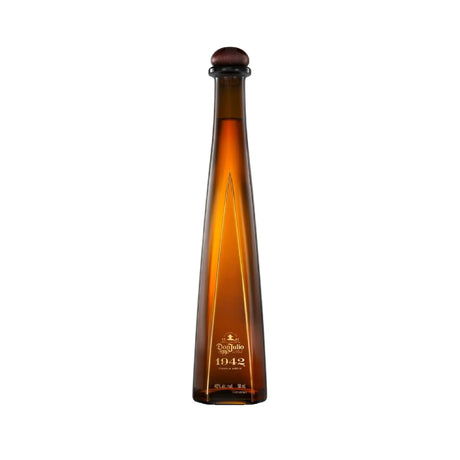
The Clase Azul Reposado & Don Julio 1942 Añejo Combo is an excellent study in this variance. Clase Azul Reposado is slow-cooked in traditional brick ovens and aged in a blend of French oak and American oak, creating a balanced profile where agave retains prominence and the wood adds silky complexity rather than dominance. Don Julio 1942 Añejo, on the other hand, leans into full oak maturation with pronounced caramel and vanilla notes. Tasting both side-by-side reveals how cask selection shapes the final spirit.
Cocktail Pairing: Which Category Works Where
Blanco tequila is the cocktail workhorse. Its bright, direct agave character cuts through citrus, lime juice, and bitter liqueurs without being muddied by oak. The classic margarita—lime, Cointreau, blanco tequila—is built on this principle. Blanco also excels in refreshing highballs with soda or agua fresca, where its peppery edge and agave forward notes take center stage. If you're making a paloma, tequila sunrise, or any drink where you want the agave to shine through, reach for blanco.
Reposado is the bridge spirit. It works beautifully in the same cocktails as blanco—reposado margaritas are increasingly popular in upscale bars—but it also transitions into sipping applications. Reposado's caramel undertones pair well with spice-forward cocktails: a reposado margarita with cumin, a reposado sour with cinnamon syrup. It also works with agave-forward aperitif cocktails and as a base for negroni-style drinks where you want rounded oak softness alongside herbal and bitter notes.
Añejo tequila is typically reserved for neat sipping, on the rocks, or in spirit-forward cocktails where oak character is desirable. Think an old fashioned-style riff with añejo, or a tequila manhattan with herbal vermouth. Some bartenders use añejo in daiquiri-style drinks where the additional body and warmth complement cream liqueurs or aged rum techniques. The general rule: if the cocktail recipe explicitly calls for aged tequila or if the drink has fewer than four ingredients, you have room for an añejo. Otherwise, stick with blanco or reposado.
Price and Production Perspective
Blanco tequila, because it requires no barrel time, can reach consumers faster and at an entry-level price point. This is not a mark against quality; many celebrated, artisanal blancos command premium pricing because of exceptional agave sourcing and distillation technique. Reposado sits in the mid-shelf to premium range, reflecting barrel costs and aging infrastructure. Añejo and Extra Añejo bottles are typically collector-tier releases due to multi-year barrel commitments and angel's share loss. As a retailer, we see blanco as the accessibility gateway and aged tequilas as the long-form investment for enthusiasts building a home bar with depth.
How to Decide: A Practical Flowchart
Are you building a cocktail primarily with citrus, fresh herbs, or tropical mixers? → Choose blanco. Its agave purity will not be overshadowed.
Are you mixing a spirit-forward cocktail, or sipping neat? → Choose reposado for cocktails that benefit from softness; choose añejo for neat sipping or barrel-aged cocktail styles.
Do you want the taste of agave to be the primary character? → Choose blanco or reposado. Añejo, by design, shifts the focus toward oak.
Are you buying for a home bar stocked only with blanco? → Add a reposado next. It bridges the gap and expands your cocktail vocabulary.
Are you a serious tequila collector seeking depth and complexity? → Explore añejo and Extra Añejo bottlings, particularly from houses like Patrón, Casa Dragones, or smaller artisanal NOM producers focused on minimal additives.
Additive Transparency and What to Watch For
One often-overlooked variable in the blanco-reposado-añejo conversation is additives. Mexican law permits up to 1% by volume of additives—glycerin, oak extract, caramel coloring, and other flavor compounds. Some producers use these tools to smooth rough edges or darken a reposado that hasn't aged quite long enough. Others make a commitment to zero additives, letting age and terroir speak alone. When comparing bottles in the same category, additive disclosure is a point of pride. Brands that trumpet "no additives" or "additive-free" are signaling a commitment to transparency. This doesn't mean additive-containing tequilas are inferior, but it does mean you're paying for engineered flavor rather than pure aging. Check labels or reach out to producers directly if it matters to your palate.
Frequently Asked Questions
Can you age blanco tequila at home to make it taste like reposado?
Technically possible but impractical. Home barrel aging or infusing blanco with oak won't replicate the chemical and enzymatic changes that happen in a professional cooperage. The barrel itself—its previous contents, char level, wood age—matters enormously. Professional producers have specific environmental controls. For the best results, buy the aged expression you want rather than attempt DIY aging.
What's the difference between reposado and extra reposado?
There is no "extra reposado" classification in Mexican tequila law. The three official categories are blanco, reposado (2 months to 1 year), and añejo (1–3 years). Extra Añejo begins at three years. Some producers market bottles as "rested reposado" or use descriptive language, but these are marketing terms, not legal designations.
Is older tequila always better?
No. Older tequila is different, not objectively superior. An outstanding blanco made from premium agave and distilled with care will outperform a poorly made extra añejo. Additionally, tequila ages faster in Mexico's warm climate than whiskey does in Scotland; three years in a Mexican barrel is not equivalent to three years in Kentucky. Age is one variable; producer philosophy, agave quality, and your personal preference matter just as much.
Why is blanco tequila used in margaritas instead of aged tequila?
Blanco's bright, peppery agave character holds up to lime juice and citrus liqueurs without being muted by oak sweetness. A margarita with reposado or añejo is still delicious, but it's a different drink—rounder, less crisp. Professional bartenders choose blanco for classic recipes because it delivers the intended flavor balance. That said, craft bars often offer "margarita variations" with aged tequila; these are intentional departures, not errors.
How should I store blanco, reposado, and añejo tequila?
All three should be stored upright, in a cool dark place, away from direct sunlight and heat. Tequila is distilled to high proof and won't spoil, but light and temperature fluctuations can fade color and mute delicate aromas, particularly in blanco. A kitchen cabinet or closed bar is ideal. No refrigeration is necessary unless you prefer your neat pours chilled.
Shop Tequila at Liquor Geeks
Browse our full tequila collection, from accessible blancos to collector-tier Extra Añejos. Each bottle in our portfolio has been selected for authenticity and flavor. Shipping rules vary by state — check our shipping eligibility page before ordering.