Añejo vs Reposado vs Blanco: Which Tequila Should You Choose?
Quick comparison: añejo vs reposado vs blanco
| Style | Aging | Flavor | Color | Best for | Starting price |
|---|---|---|---|---|---|
| Blanco | 0–60 days | Crisp, agave-forward, peppery | Clear | Margaritas, palomas, shots | ~$25 |
| Reposado | 2 months – 1 year in oak | Balanced agave + oak, light vanilla | Pale gold | Old fashioneds, sipping neat | ~$35 |
| Añejo | 1 – 3 years in oak | Oak-forward, caramel, dried fruit | Amber | Sipping neat, on the rocks | ~$55 |
The 10-second answer
- Want to taste the agave? Blanco.
- Want a balance of agave and oak? Reposado.
- Want to sip it like a whiskey? Añejo.
Añejo vs Reposado specifically
These are the two most-compared styles. Reposado rests 2–12 months in oak; añejo spends 12–36 months. That extra time does three things: it deepens the color from pale gold to amber, it softens the agave bite under vanilla and caramel from the wood, and it raises the price by about 40–60%. A reposado is still a tequila that reads as tequila; an añejo drinks closer to a lightly oaked whiskey. If you're making a tequila old fashioned, reposado is the sharper tool. If you're sipping neat after dinner, añejo.
What is blanco tequila?
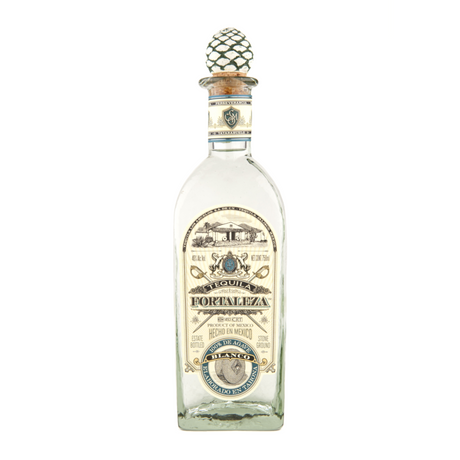
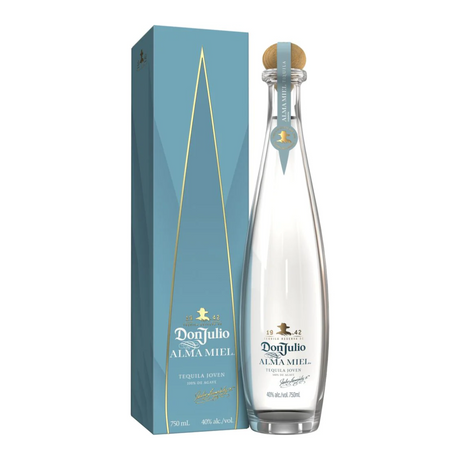
Blanco tequila (also called plata or silver) is unaged or lightly rested tequila bottled within 60 days of distillation. By law, it must be made from 100% blue Weber agave grown in Jalisco, Mexico (or four approved neighboring states). The flavor profile is crisp, vegetal, and citrus-forward — no oak influence, so you taste the agave directly. This is the style bartenders reach for when they want clarity in a cocktail and a distinct agave signature.
Shop our full blanco tequila collection.
What is reposado tequila?
Reposado ("rested") tequila ages between two months and one year in oak barrels — usually ex-bourbon barrels, sometimes French or American oak. The wood influence is subtle: the agave is still front and center, but a layer of vanilla, light caramel, and a softer mouthfeel join the profile. Reposado is the middle ground between blanco's bright edge and añejo's oak sweetness, which makes it versatile in cocktails and pleasant neat.
Shop our full reposado tequila collection.
What is añejo tequila?
Añejo ("aged") tequila matures between one and three years in oak barrels no larger than 600 liters. At this aging length, the wood takes over: the agave pushes into the background, and vanilla, caramel, toasted oak, dried fruit, and sometimes chocolate emerge. Añejo is a sipping tequila, built for a snifter or a heavy-bottomed rocks glass, not for mixing.
Shop our full añejo tequila collection.
Which one should you buy? A quick decision guide
- Margaritas, Palomas, Ranch Water: blanco. Lime and orange liqueur flatten oak, so barrel time is wasted in a shaken sour.
- Your first sipping tequila: reposado. It is the most forgiving introduction and still mixes well.
- A gift for a bourbon or Scotch drinker: añejo. The caramel and oak bridge their palate.
- A special-occasion bottle: extra añejo, aged three years or more.
- Building a shelf: one of each style before you spend up on any single bottle. Tasted side by side they teach you the category faster than any one expensive pour.
Cristalino: the clear aged exception
Cristalino tequilas are reposados, añejos or extra añejos that are charcoal-filtered after aging to strip out the color. They keep some of the barrel's softness but drink lighter and brighter than their age suggests, somewhere between a blanco and a reposado in weight. Some drinkers love them; others feel the filtering strips flavor. Browse cristalino tequila if you want the smoothness of aging without heavy oak.
Does the barrel matter?
Yes, as much as the age statement. Most aged tequila rests in ex-bourbon American oak, which adds vanilla, caramel and coconut. New charred oak adds more spice and grip, French oak gives a subtler, drier wood note, and refill barrels keep the agave in front. Two reposados of the same age can taste very different because of the cask alone.
What about additive-free tequila?
Mexican rules allow up to 1% of approved additives (glycerin, caramel color, oak extract and sweeteners) without disclosure on the label. They are easiest to hide in reposados and añejos, so if you are sensitive to sweetness, look for producers verified additive-free by an independent program.
Frequently asked questions
What's the main difference between añejo and reposado tequila?
Aging time. Reposado ages 2 months to 1 year in oak; añejo ages 1 to 3 years. Añejo has a deeper amber color, more oak and caramel notes, and costs 40–60% more on average than reposado from the same brand.
Is añejo or reposado better for sipping?
Añejo. The extra year+ in oak softens the agave and adds the vanilla, caramel, and dried-fruit notes that make a tequila rewarding to sip neat. Reposado is better for cocktails where you still want some agave character.
Is reposado or blanco better for margaritas?
Blanco. The brightness and agave edge of an unaged tequila lifts citrus and lime. Reposado margaritas are richer but lose the clean, crisp snap. Use reposado for a tequila old fashioned or a sipping-style drink, blanco for shaken margaritas.
Can you mix añejo in cocktails?
You can, but it's usually a waste of the aging. Añejo belongs neat or on the rocks. If you insist, use it in a tequila old fashioned where the oak complements the sugar and bitters.
Which is smoother, reposado or añejo?
Añejo. More time in oak rounds off the agave bite. Within the same brand, an añejo will always drink softer than its reposado counterpart — compare Don Julio Añejo to Don Julio Reposado to taste this directly.
What about extra añejo?
Extra añejo ages 3+ years in oak, introduced as an official category in 2006. The profile pushes further into whiskey territory — deep vanilla, oak tannin, dried stone fruit. See our extra añejo collection.
Still deciding? Browse blanco tequila, reposado tequila, or añejo tequila.