 Free Shipping23% off
Pappy Van Winkle
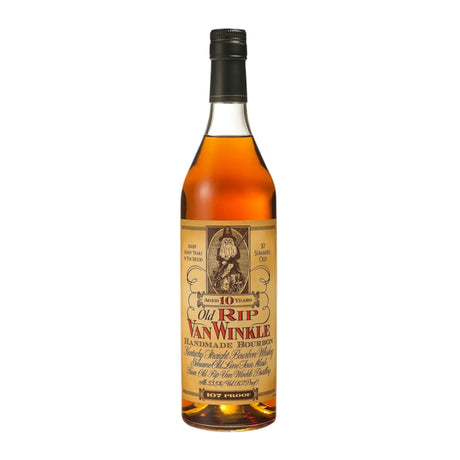
Pappy Van Winkle Old Rip Van Winkle 10 Year Bourbon Whiskey
$999.99 USD$1,299.99Unit price /UnavailableVery low stock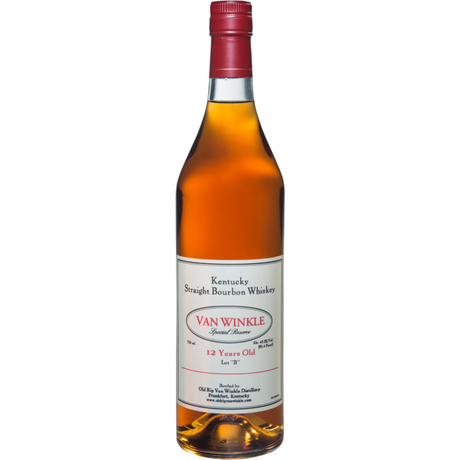 Free Shipping45% off
Pappy Van Winkle
Pappy Van Winkle Special Reserve 12 Year Lot "B" Kentucky Straight Bourbon Whiskey
$1,099.99 USD$1,999.99Unit price /Unavailable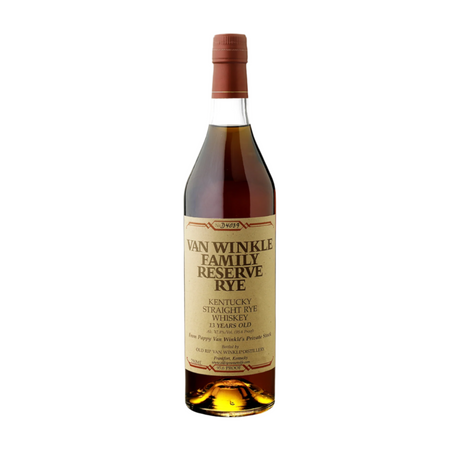 Free Shipping
Pappy Van Winkle
Pappy Van Winkle Family Reserve Kentucky Straight Rye 13 Year Whiskey
$1,199.99 USDUnit price /UnavailableVery low stock Free Shipping30% off
Pappy Van Winkle
Old Rip Van Winkle 10 Year & Van Winkle 12 Year Lot B Pair
$1,899.99 USD$2,699.99Unit price /Unavailable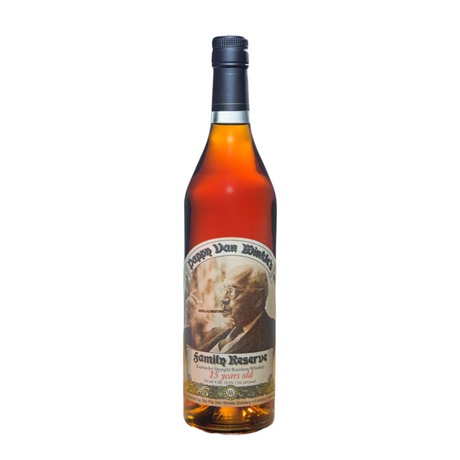 Free Shipping
Pappy Van Winkle
Pappy Van Winkle 15 Year Kentucky Straight Bourbon Whiskey
$1,999.99 USDUnit price /Unavailable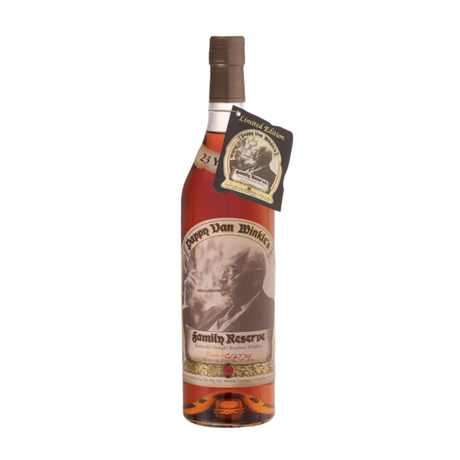 Free Shipping14% off
Pappy Van Winkle
Pappy Van Winkle 23 Year Old Kentucky Straight Bourbon Whiskey
$4,299.99 USD$4,999.99Unit price /Unavailable Free Shipping27% off
Pappy Van Winkle
Pappy Van Winkle 10, 12 & 15 Year Set
$3,799.99 USD$5,199.99Unit price /Unavailable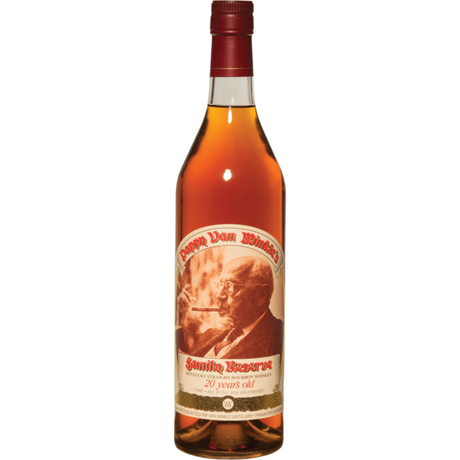 Free Shipping22% off
Pappy Van Winkle
Pappy Van Winkle’s 20 Year Family Reserve Kentucky Straight Bourbon Whiskey
$2,899.99 USD$3,699.99Unit price /Unavailable Free Shipping24% off
Pappy Van Winkle
Pappy Van Winkle 20 & 23 Year Pair
$6,799.99 USD$8,999.99Unit price /Unavailable Free Shipping25% off
Pappy Van Winkle
Pappy Van Winkle Full Set — 10, 12, 13 Rye, 15, 20 & 23 Year
$11,799.99 USD$15,699.99Unit price /Unavailable


Pappy Van Winkle is the most-hunted name in American whiskey. The annual fall release from the Old Rip Van Winkle Distillery, produced in partnership with Buffalo Trace, is one of the tightest allocations in the spirits industry, and demand has long since outstripped any honest supply story. Bottles are earned, lotteried, or paid for at serious premiums. There is no shelf inventory at this level - and any retailer who pretends otherwise is not telling the truth about how the category works.
About Pappy Van Winkle
The brand traces its lineage to Julian P. "Pappy" Van Winkle Sr., who joined Stitzel-Weller as a partner in the early 20th century and championed a wheated bourbon recipe - using soft red winter wheat instead of rye as the flavoring grain. After Stitzel-Weller closed in 1992, the family partnered with Buffalo Trace Distillery, and since 2002 all Van Winkle whiskey has been distilled and aged at Buffalo Trace using the distillery's wheated mash bill, the same grain recipe behind W.L. Weller.
The release lineup includes Old Rip Van Winkle 10 Year (107 proof), Van Winkle Special Reserve 12 Year "Lot B" (90.4 proof), Van Winkle Family Reserve Rye 13 Year, Pappy Van Winkle 15 Year (107 proof), Pappy Van Winkle 20 Year (90.4 proof) and Pappy Van Winkle 23 Year (95.6 proof). The entire lineup releases once a year, typically in the fall, in very limited quantities.
A great deal of the secondary-market mythology around Pappy is exactly that - mythology. What is true is that the whiskey is wheated, age-stated, bottled at traditional proofs, and genuinely scarce.
What to expect
- Wheated mash bill - softer, sweeter profile than rye-recipe bourbons
- Full age ladder: 10, 12 (Lot B), 15, 20 and 23 year expressions
- Annual fall release, strictly allocated nationally and by retailer
- Expect secondary-market pricing well above MSRP when bottles are available
- No promises on inventory - this is allocated, period
- Recognized gift bottle at the highest tier of American whiskey
Buying guide
Where to start: Old Rip Van Winkle 10 Year is the entry point to the family, followed by Van Winkle Special Reserve 12 Year (Lot B). Pappy 15 is widely considered the sweet spot of the Pappy line itself, balancing age, proof and wheated softness. Pappy 20 and 23 are older, lower-proof and more polarizing - some drinkers prefer the tighter focus of the 15.
Collector bottles: every Pappy Van Winkle expression is a collector bottle. Pricing varies widely with release year, market and retailer. We list what we can ship when we can ship it and make no claims about standing availability. If a bottle is listed, it is real inventory - it will not sit long.
Frequently asked questions
Is Pappy Van Winkle always allocated?
Yes. The entire Van Winkle range releases once a year in the fall in strictly limited quantities. There is no non-allocated tier. Assume any listing is temporary.
Is Pappy Van Winkle a wheated bourbon?
Yes. Pappy uses a wheated mash bill - wheat replaces rye as the flavoring grain - which gives it a softer, sweeter profile than the rye-recipe Buffalo Trace or Blanton's.
Is Pappy 15, 20 or 23 the best?
Pappy 15 is the most commonly-cited sweet spot in the lineup because it balances age and proof. Pappy 20 and 23 are older and bottled at lower proof, and some drinkers find them woodier and less vibrant. Preference is personal.
How does Pappy compare to W.L. Weller?
Pappy and Weller share the same wheated mash bill and come from Buffalo Trace. Weller Full Proof, Antique 107 and Weller 12 are often discussed as the most accessible Pappy-adjacent pours, though Weller is allocated too.
Is Pappy Van Winkle worth the price?
At MSRP, most enthusiasts say yes. At heavy secondary pricing, that is a personal call, and there are several excellent wheated bourbons (Weller 12, Weller Full Proof, Old Fitzgerald Bottled-in-Bond) that deliver serious quality without the Pappy premium.
Shop the Pappy Van Winkle collection at Liquor Geeks - fast US shipping, eligibility confirmed at checkout.