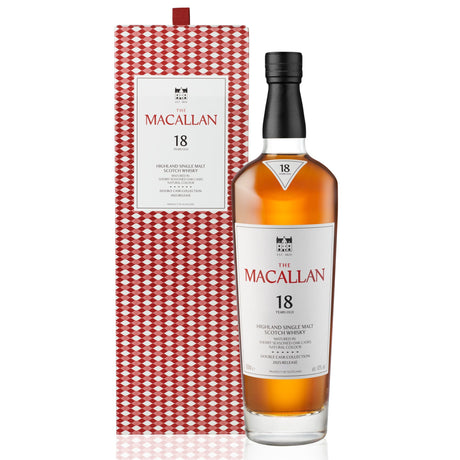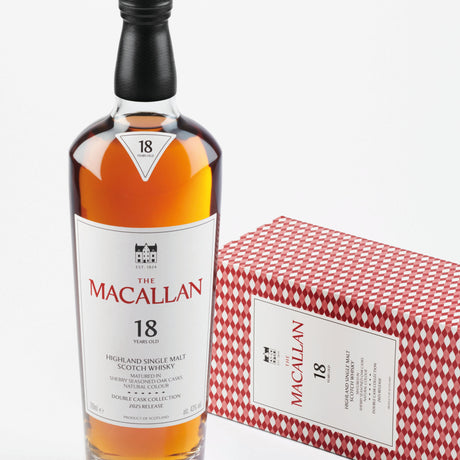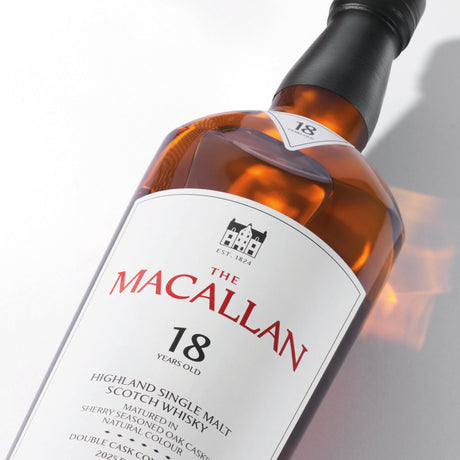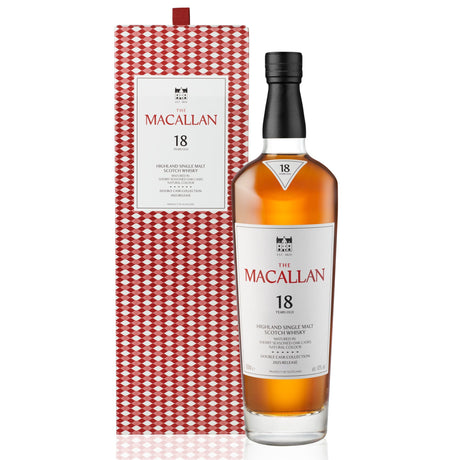

The Macallan 18 has long stood as the goldilocks expression in The Macallan lineup—old enough to command respect, accessible enough to actually find on shelves without a lottery ticket. But in 2026, with pricing pressure, new double cask maturation philosophies, and collector preferences shifting, we need to ask: Is the Macallan 18 still the benchmark for premium Speyside whisky, or has the marketing machinery outpaced the liquid? This review examines the 18 year old in both its sherry oak and double cask iterations, compares them honestly against the entry-level 12 and the collector-tier 30, and cuts through the noise to help you understand where the real value lives.
The Macallan 18: Two Different Expressions, Same Name
This is where it gets confusing. The Macallan doesn't make just one "18 year old"—there are two distinct products at that age point, and conflating them is a common retail mistake.
The Macallan 18 Year Old Sherry Oak is the heritage expression: matured exclusively in hand-picked Oloroso sherry-seasoned casks from Jerez, Spain. These casks are seasoned for up to two years before the spirit ever enters them, contributing deep mahogany color, rich dried fruit notes, and the classic Macallan signature. This is the bottle that built the brand's reputation among serious drinkers.
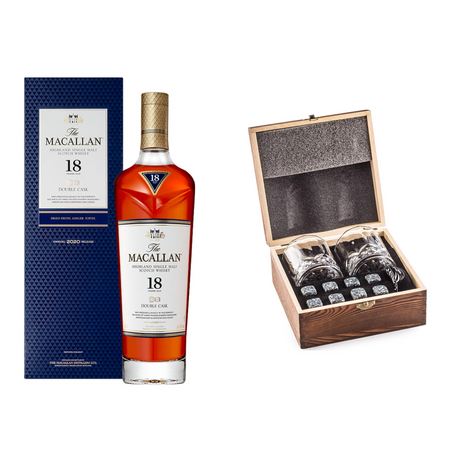
The Macallan 18 Year Old Double Cask is the newer formula: a marriage of American oak (new casks sent to Spain, seasoned with sherry) and European sherry oak. The result is lighter in color, more approachable on the palate, and positioned as a bridge between the distillery's traditional house style and modern consumer preferences for subtlety. The double cask maturation allows The Macallan to maintain production volume—a critical retail consideration.
Macallan 18 vs. Macallan 12: Where the Leap Justifies Itself
The entry point into aged Macallan is the 12 year old, which sits at an accessible price tier. The jump to 18 represents a six-year aging premium, and the question becomes whether those extra years meaningfully improve the drinking experience.
The 12 year old is a competent, fruity Speyside. It delivers classic Macallan DNA—some sherry influence, honey, spice—but with sharper edges and less integration. The oak is present but not dominating. For many drinkers, especially those new to premium whisky, the 12 offers excellent value and rarely disappoints.
The 18 year old (particularly the sherry oak version) is a different proposition. Six additional years in cask do not simply add six years of flavor—wood interaction accelerates, color deepens, and the spirit's complexity compounds. The sherry oak 18 shows richer dried fruit (figs, dates), chocolate, and a more layered mouthfeel. The spirit has had time to fully marry with the cask influence, creating a rounder, more integrated profile. This is the bottle that justifies the premium if you're seeking a single pour for contemplation, not mixing.
The double cask 18 splits the difference: more refined than the 12, but with slightly less depth than the sherry oak 18. For collectors prioritizing availability and a cleaner flavor profile, this matters.
Macallan 18 vs. Macallan 30: The Collector's Dilemma
Here is where honesty becomes essential. The Macallan 30 Year Old Sherry Oak commands a significantly higher price, and the question every serious buyer asks is: Does it offer proportionally better whisky, or do you pay exponentially for scarcity and prestige?
The 30 year old is objectively an excellent whisky. Three decades in hand-picked sherry casks produces remarkable depth: leather, dark chocolate, cherry cordial, subtle oakiness. The color is almost black. The finish is long and layered. It is also, frankly, a rarer bottle with lower production volume, which inflates demand and secondary-market pricing.
The 18 year old does not offer 70% of the 30's experience at a lower price. It offers a different, equally valid experience. The 18 is more vibrant, more fruit-forward, and less oxidized. Some experienced drinkers prefer the 18's energy and clarity to the 30's heaviness. Others find the 30's complexity worth the premium. The honest answer: if you're seeking a benchmark Speyside whisky for everyday-to-occasional drinking, the 18 (especially sherry oak) outperforms relative to cost. If you're a serious collector building a vertical or seeking a 30-year statement piece, the 30 justifies the leap on rarity and prestige alone—not necessarily flavor alone.
Sherry Oak vs. Double Cask: Which Macallan 18 Should You Choose?
The retail split is straightforward: sherry oak is the classic, double cask is the modern portfolio entry. The Macallan 18 Year Old Sherry Oak remains the benchmark in terms of flavor architecture. It delivers what older Macallan 18 drinkers expect—serious sherry influence, old-school complexity, and a heavier mouthfeel. It is the bottle that appears on collector's shelves and in bars built around traditional Speyside.
The double cask version is lighter, cleaner, and easier to move through blind tastings without bias. It is also more consistent batch-to-batch because American oak is more standardized than hand-picked Spanish casks. From a retailer's perspective, double cask holds allocation better and turns inventory faster.
If you drink whisky neat or in contemplation: sherry oak. If you want a gateway to Macallan 18 that won't shock your palate with wood tannins, or if you plan to use it in cocktails (yes, some bars do this at the 18 level): double cask works.
Allocation Reality and Market Trends in 2026
One aspect of the Macallan 18 that deserves candid discussion is availability. The distillery has faced consistent supply constraints for decades, driving secondary-market prices and creating the perception of scarcity that inflates brand cachet. In 2026, this pattern persists, but with a shift: The Macallan is pushing double cask allocations harder than sherry oak. Retailers receive more double cask bottles, making it the path of least resistance for getting Macallan 18 into consumer hands.
This is not accidental. The double cask strategy allows the brand to maintain volume and market presence without relying entirely on the most resource-intensive—and now, most collectible—sherry cask inventory. From a pure business standpoint, it's brilliant. From a collector's perspective, it means the sherry oak 18 is becoming the rarer, more sought-after sibling, which may shift long-term perception of it as the "true" benchmark.
The Benchmark Question: Context Matters
Is the Macallan 18 still the benchmark for premium Speyside? Yes—with caveats. The sherry oak version remains an exemplary whisky at its age point: well-structured, complex, and historically accurate to The Macallan house style. The double cask version is an excellent modern alternative that sacrifices some depth for consistency and drinkability. Neither is a bargain, but both are legitimate expressions of quality craftsmanship.
However, "benchmark" implies a standard against which others are measured. In the broader Speyside market, the Macallan 18 faces real competition from alternatives like the Glenfarclas 25 Year Old, which offers a quarter-century of sherry-cask maturation at a different price tier. The Macallan brand equity and allocation constraints keep the 18 in the conversation, but the liquid itself is not uniquely superior—it is very good and increasingly controlled supply-wise.
Frequently Asked Questions
Is the Macallan 18 worth the price over the 12?
Yes, if you drink whisky for contemplation and value integration and depth. The six additional years do materially improve flavor complexity and mouthfeel, particularly in the sherry oak version. If you're mixing or testing your whisky palate, the 12 offers better value per ounce. The jump is qualitative, not quantitative.
Should I buy Sherry Oak or Double Cask?
Sherry oak is the heritage expression with more pronounced wood influence and fruit depth. Double cask is cleaner, more consistent, and easier to find. If you're seeking the "classic" Macallan 18 experience, sherry oak. If you want a refined, approachable 18 without searching multiple retailers, double cask is solid.
Is the Macallan 18 better than other 18-year-old Speyside whiskies?
Not objectively. The Macallan 18 is excellent, but comparable 18-year whiskies from other Speyside distilleries offer similar quality at potentially lower prices. Brand, allocation, and collector demand inflate Macallan's relative standing. Flavor-for-flavor, you're paying for prestige and supply scarcity as much as liquid superiority.
How does the Macallan 18 age over time in the bottle?
Whisky does not continue to age once bottled. Macallan 18 is 18 years old regardless of how long the bottle sits on your shelf. However, the bottle itself matters: keep it upright, cool, and away from direct light to preserve flavor integrity. Secondary aging in the glass—oxidation from repeated opening—will shift the profile over years, but this is not "aging" in the traditional sense.
What is the best way to drink a Macallan 18?
Neat or with a few drops of water to open up the nose and palate. The double cask version is flexible enough for cocktails, though many purists consider this a waste. Avoid ice unless you prefer chilled spirits; the cold mutes flavor. A clean glencairn or rocks glass is standard. Take time—this is a contemplation whisky, not a shooter.
Shop Macallan at Liquor Geeks
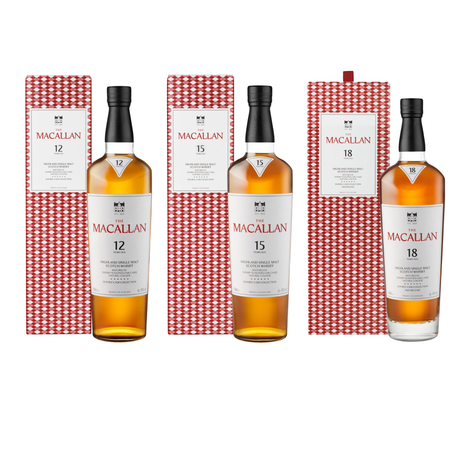
The Macallan 18 Year Old Double Cask and Macallan 18 Year Old Sherry Oak are in stock at Liquor Geeks, along with the Macallan 30 Year Old and other expressions. We also carry curated bundles, including the Macallan 18 & 15 & 12 Combo, ideal for collectors building a vertical. Shipping rules vary by state—check our shipping eligibility page before ordering.