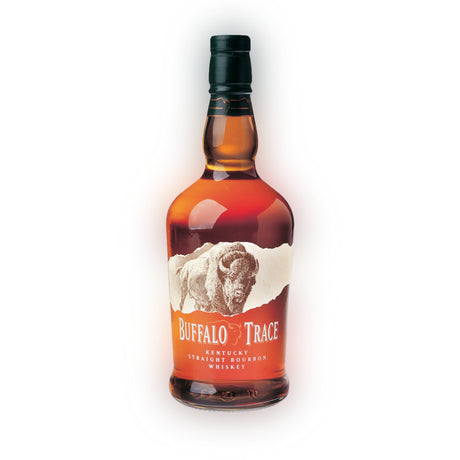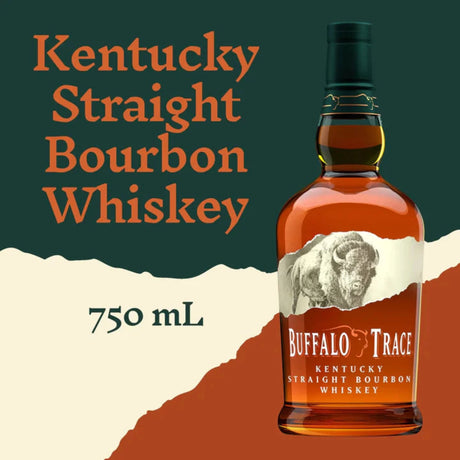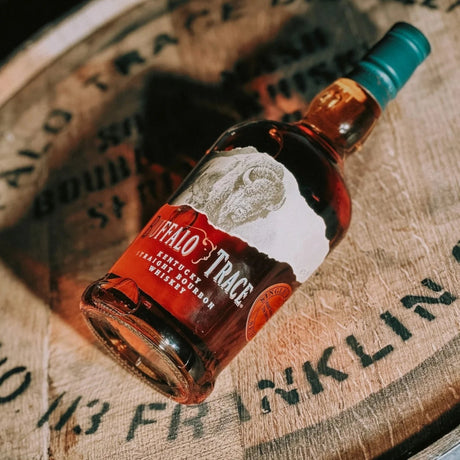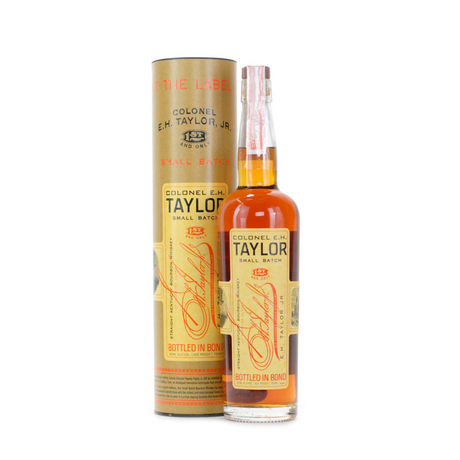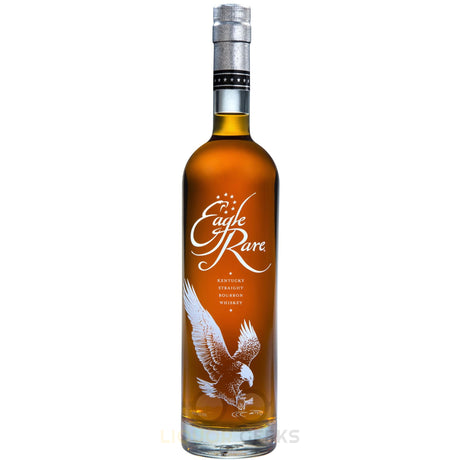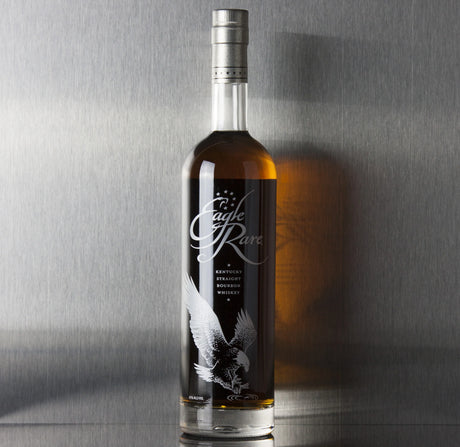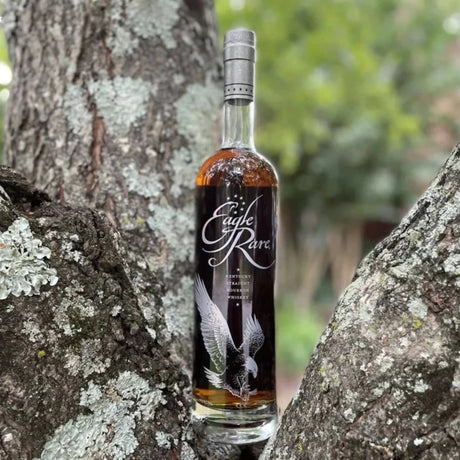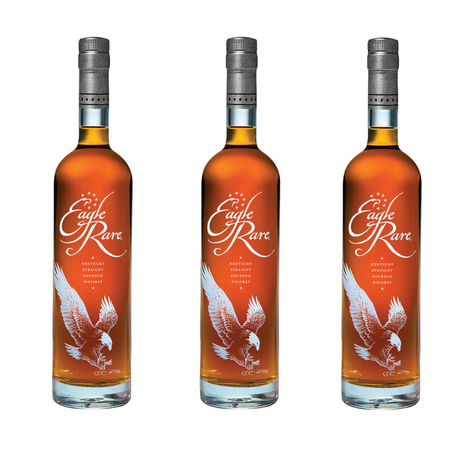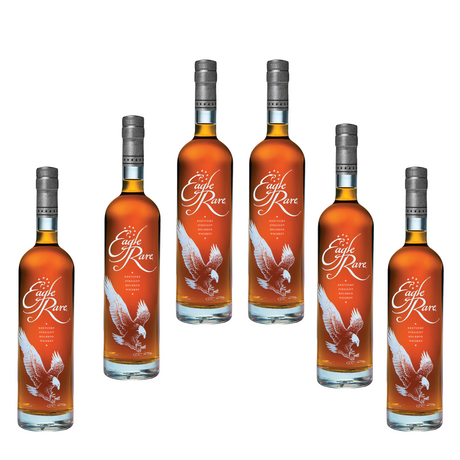

Eagle Rare 12 stands as one of Buffalo Trace Distillery's most sought-after releases, and for good reason—this Kentucky straight bourbon represents a deliberate step up in maturity and complexity over younger expressions. Understanding what makes the older Eagle Rare expression different requires examining both its production timeline and flavor evolution, as well as the retail scarcity that keeps it in high demand among collectors and serious whiskey drinkers.
The 12-Year Minimum Aging Requirement
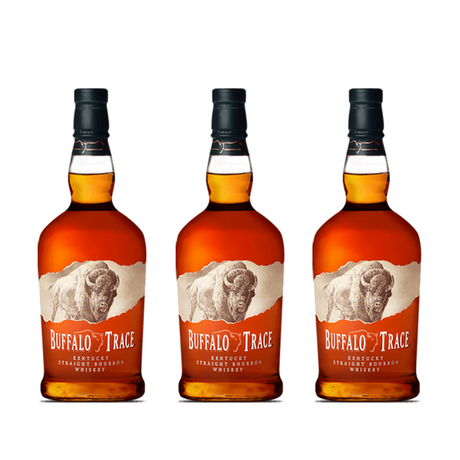
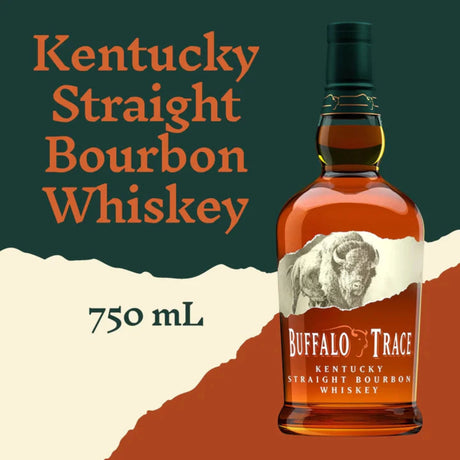
At its core, Eagle Rare 12 adheres to a strict production discipline: every bottle must age for a minimum of 12 full years in new charred American oak barrels. This commitment distinguishes it from Buffalo Trace's broader portfolio, where flagship expressions like Buffalo Trace Bourbon itself carry no age statement. The 12-year minimum isn't marketing hyperbole—it's enforced by single-barrel selection, meaning each bottle traces back to one specific barrel that met age and proof thresholds at the Buffalo Trace rickhouse.
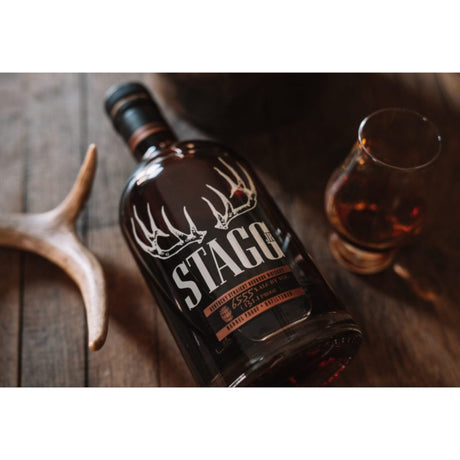
That extra time in barrel yields measurable chemical changes. Oak compounds extract slowly; ethanol evaporates in a predictable ratio called "the angel's share"; and caramelization occurs as vanillins and other wood sugars break down. By year 12, a bourbon has shed much of its raw grain spiciness while developing deeper wood influence. This is the foundation of Eagle Rare 12's positioning as a mid-range aged expression—not extreme like the George T. Stagg barrel-proof releases, but substantially matured compared to the 4–6 year baseline many distilleries use.
Release Cadence and Allocation Strategy
Buffalo Trace doesn't produce Eagle Rare 12 as a continuous quarterly release. Instead, it follows an irregular cadence tied to barrel inventory maturation. Some years see multiple releases; others may see none. This unpredictability is intentional: the distillery prioritizes quality and age-statement integrity over volume. When a release does occur, quantities are controlled, typically ranging from a few hundred to a few thousand cases depending on available aged stock and market demand.
The retailer side of bourbon allocation—the reality Joshua Gaa observes from behind the counter—shows Eagle Rare 12 receiving allocation protection at major chains and independent stores alike. Distributors and brand representatives recognize that collectors actively hunt for this expression, and retailers who receive it are expected to price fairly and move inventory responsibly. Unlike some limited releases that trade on artificial scarcity, Eagle Rare 12's allocation reflects genuine supply constraints from the warehouse, not a marketing stunt.
This also means that when you find Eagle Rare 12 in stock, you're seeing the tail end of a strategic release, not an evergreen product. Patience and persistence pay dividends for collectors who track Buffalo Trace's release schedule and stay alert to availability windows.
Flavor Delta: How 12 Years Changes the Profile
The tasting notes profile of Eagle Rare 12 depart noticeably from younger Buffalo Trace bourbons. On the nose, you'll encounter caramel, dried oak, and a subtle leather note that emerges only after extended aging. The palate shows darker fruit—plum and black cherry rather than the brighter apple and cherry of younger spirits—alongside toasted almond, cinnamon, and wood spice that's rounded and integrated, not sharp.
Finish is where the 12-year expression truly shines. Younger bourbons burn off quickly; Eagle Rare 12 lingers with a warming oak presence, a hint of cocoa bitterness, and a slight peppery fade that builds on subsequent sips. This longevity in the mouth is a direct result of fuller oak saturation and higher congener concentration. The 95 proof (47.5% ABV) bottling is deliberately restrained—it allows complexity to unfold without ethanol dominance, a hallmark of well-considered mature bourbon.
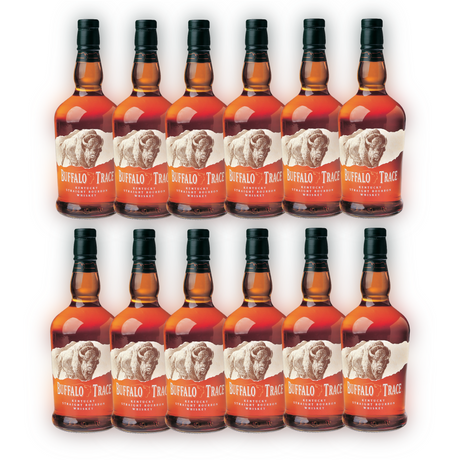
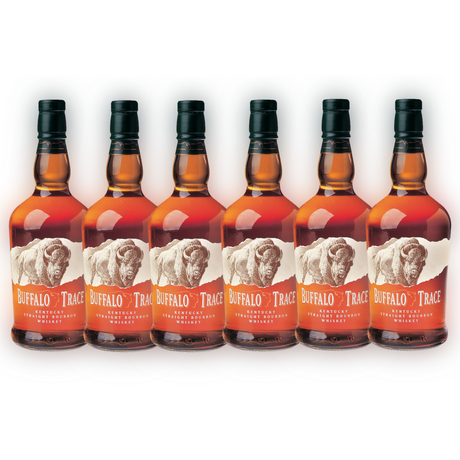
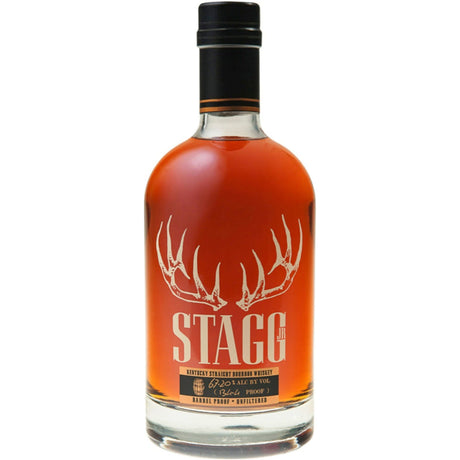
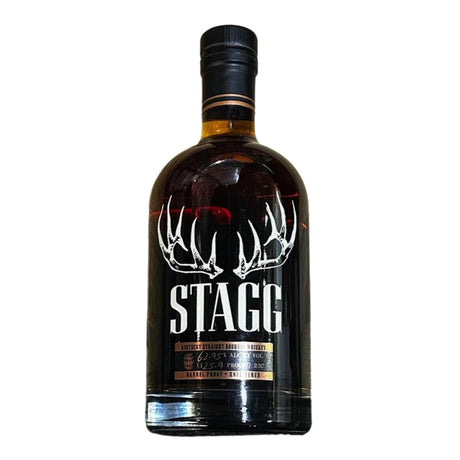
Compare this to Buffalo Trace Bourbon, which tips at 90 proof with a younger, brighter character: more corn sweetness, less oak weight, and a quicker finish. Or consider the barrel-proof aggression of George T. Stagg Jr., which hits around 128 proof and demands respect—a very different drinking proposition. Eagle Rare 12 sits in a sweet spot: mature enough for contemplation, accessible enough for neat sipping without a water companion.
Single-Barrel Selection and Consistency
Another critical distinction: Eagle Rare 12 is sold as single-barrel bottlings, meaning each bottle comes from one unique barrel, not a vatting of many. This introduces natural variation—some releases taste slightly fruitier, others show more spice—but it also ensures authenticity and allows collectors to track provenance through barrel numbers printed on the label. A true enthusiast might purchase multiple Eagle Rare 12 bottles from different barrels to compare notes, a hobby that deepens knowledge and appreciation.
Single-barrel releases at this age point also mean Buffalo Trace has vetted each barrel for minimum quality standards. Not every 12-year-old barrel from the rickhouse makes the cut; some may show defects, off-notes, or inconsistent proof. The vetting process is invisible to the end consumer, but it's part of why the brand commands respect among retailers and collectors alike. You're not gambling on a heavily blended, minimum-quality product; you're buying one barrel that met stringent criteria.
Collector Context and Market Positioning
In the secondary market—the universe of Facebook groups, auction sites, and collector forums—Eagle Rare 12 commands a premium over standard retail, but not the astronomical markups reserved for truly rare releases like Pappy Van Winkle or antique Stitzel-Weller stock. Typical secondary prices sit in a range suggesting real collector demand without speculative excess. This makes it an interesting middle ground: rare enough to feel special and worth pursuing, affordable enough that ownership feels achievable without financial overextension.
This positioning also explains why serious bourbon drinkers prioritize Eagle Rare 12 allocation. It's neither an entry-level expression nor a trophy-only bottle; it's a drinking whiskey for people who've moved beyond the basics and want something with real age and complexity. Retailers often see the same collectors returning year after year, hoping this is the release window when Eagle Rare 12 arrives. That loyalty reflects the expression's earned reputation, not hype.
Comparing to Other Buffalo Trace Aged Expressions
Buffalo Trace's portfolio includes several aged options, each with distinct positioning. Old Charter Oak Finest Oak leans into oak character as its marketing hook, but lacks the age-statement gravitas of a 12-year minimum. The George T. Stagg line, particularly the Jr. expression, offers higher proof and more aggressive wood influence but without the same collectibility—it's meant for high-proof explorers, not necessarily for cellaring. Eagle Rare 12 occupies a unique slot: verified age, verified provenance, and measured proof that rewards both immediate enjoyment and patient aging.
Frequently Asked Questions
Is Eagle Rare 12 better than Buffalo Trace's standard expression?
"Better" depends on goals. Eagle Rare 12 offers more complexity and oak depth due to 12-year maturation, making it preferable for neat sipping and study. Buffalo Trace Bourbon costs less, drinks well, and works in cocktails. They serve different purposes in a whiskey collection.
How often does Eagle Rare 12 release, and when should I expect the next one?
Buffalo Trace doesn't publish a release calendar for Eagle Rare 12. Releases follow aging inventory and demand patterns, sometimes occurring multiple times per year, sometimes with gaps of several months. Monitor retailer websites and Buffalo Trace's official channels for announcements.
What proof is Eagle Rare 12, and does it benefit from water or ice?
Eagle Rare 12 is bottled at 95 proof (47.5% ABV). It drinks cleanly neat or with a splash of water. A single large ice cube is acceptable if you prefer dilution and chill. The relatively measured proof means ethanol won't overwhelm, allowing flavor nuance to shine through.
Why is Eagle Rare 12 harder to find than other Buffalo Trace bourbons?
The 12-year minimum aging requirement limits available stock. Not every bourbon barrel matures into Eagle Rare 12 quality—some are diverted to other products. Combined with strong collector demand and single-barrel production discipline, scarcity is inevitable rather than artificial.
Does Eagle Rare 12 age further in the bottle after purchase?
No. Aging occurs only in wood. Once bottled, the spirit stops developing flavor. Store your bottle upright, cool, and away from direct sunlight to preserve its current profile. Older bottles (from previous releases) may show slight oxidation if stored poorly, but this isn't maturation—it's degradation.
Shop Bourbon at Liquor Geeks
Browse our full bourbon whiskey selection, including Eagle Rare 12 Year Bourbon when available. Shipping rules vary by state—check our shipping eligibility page before ordering.