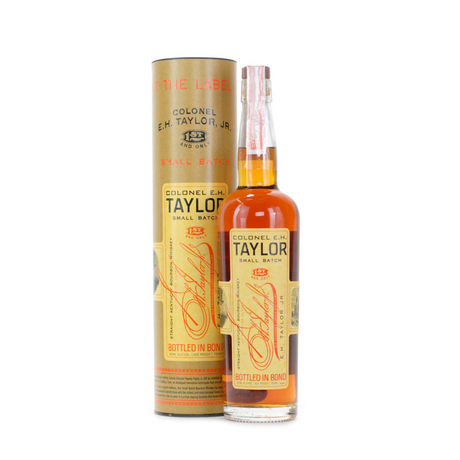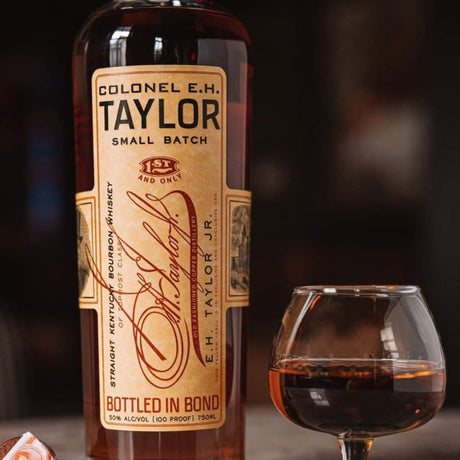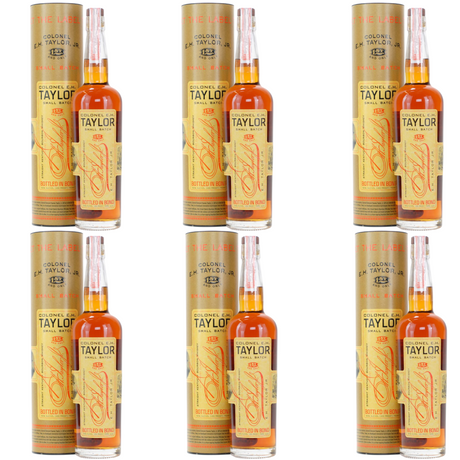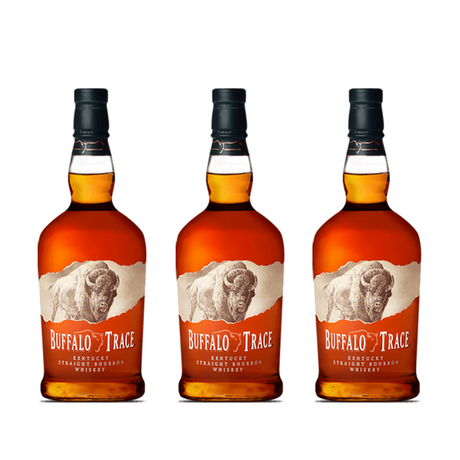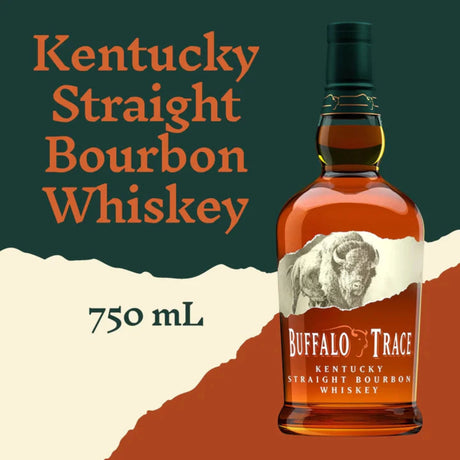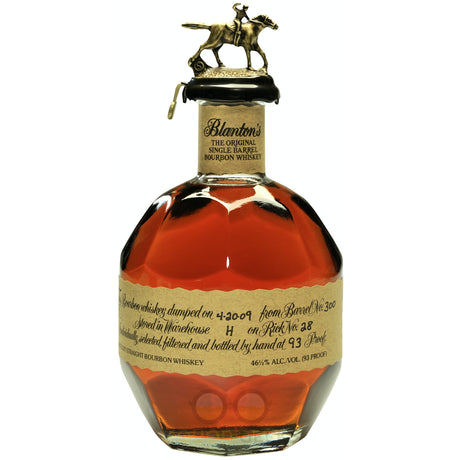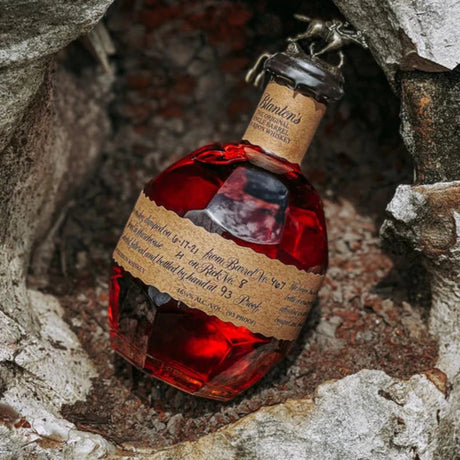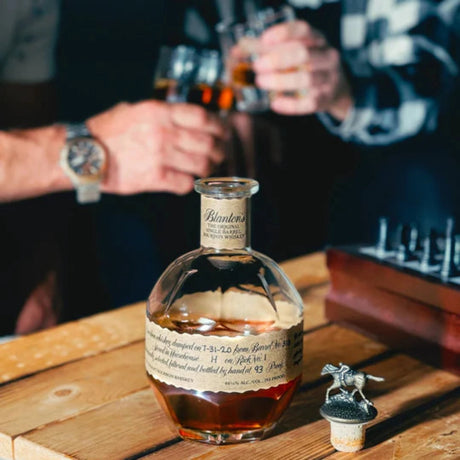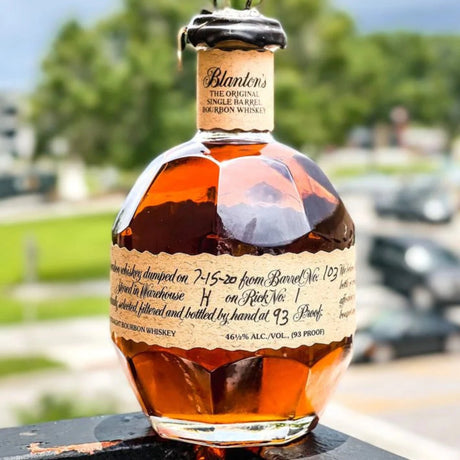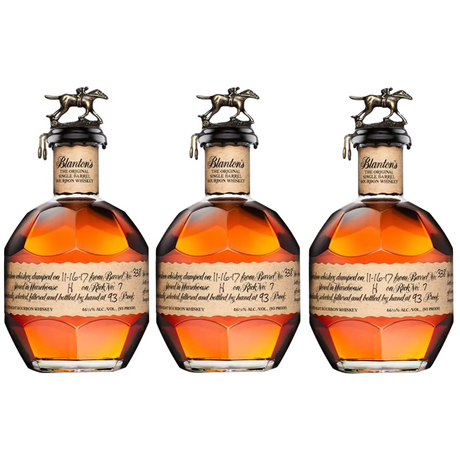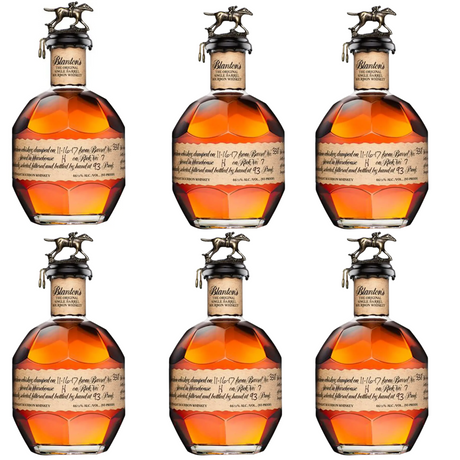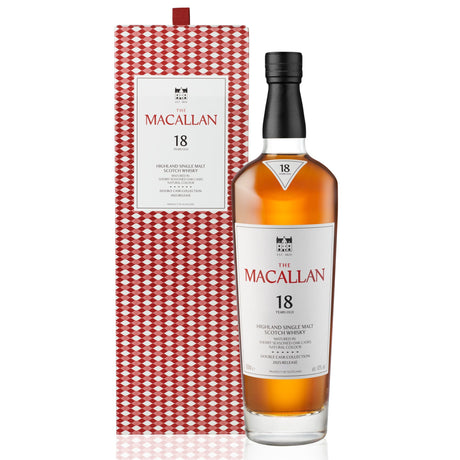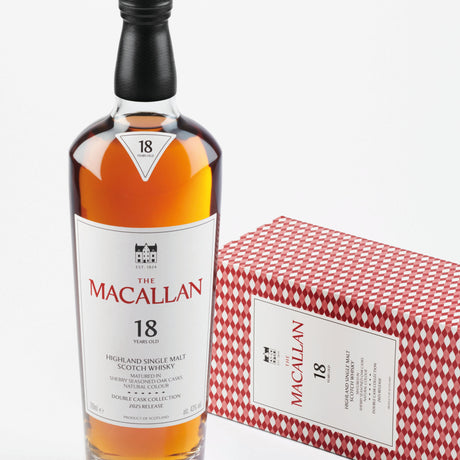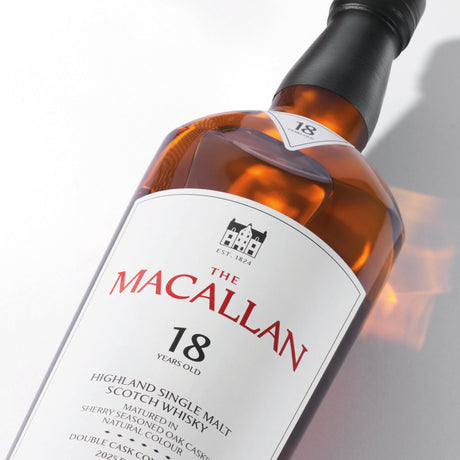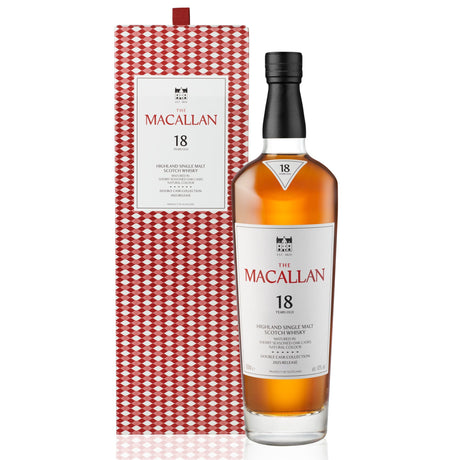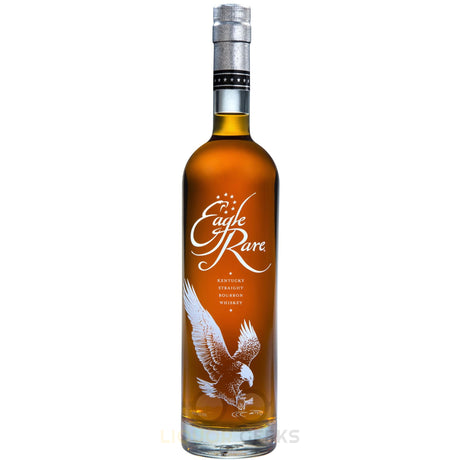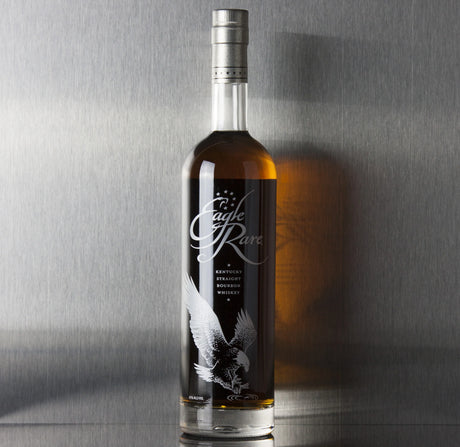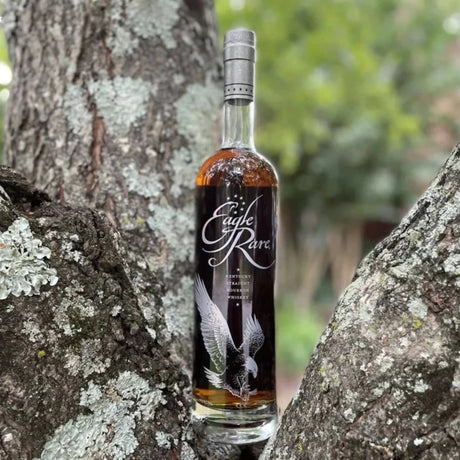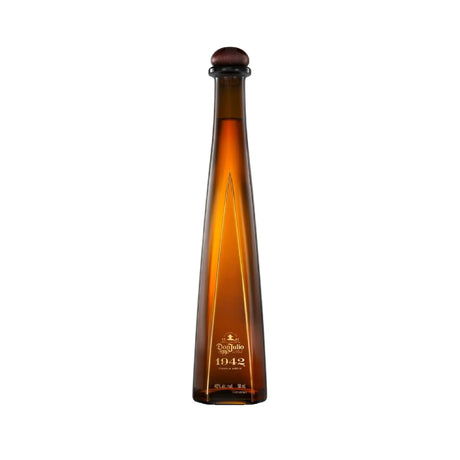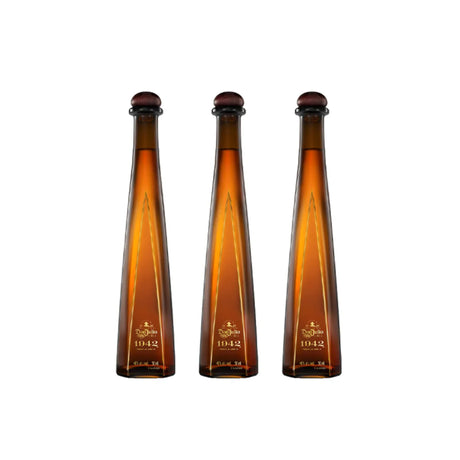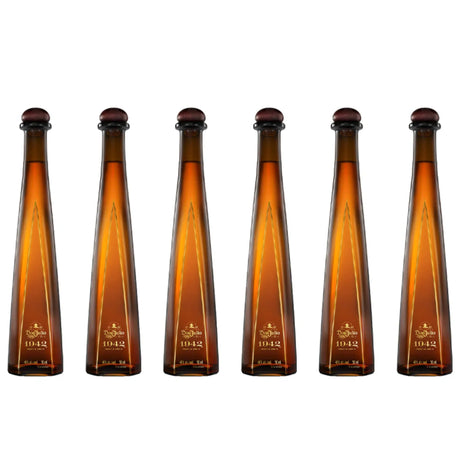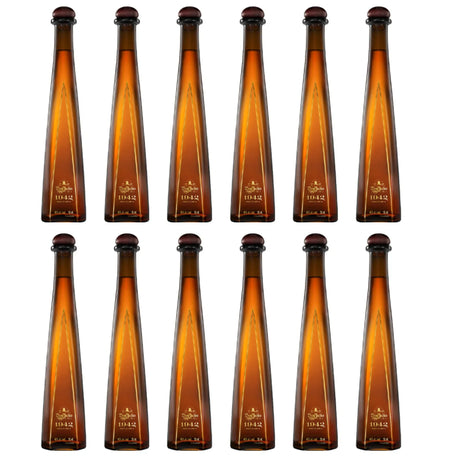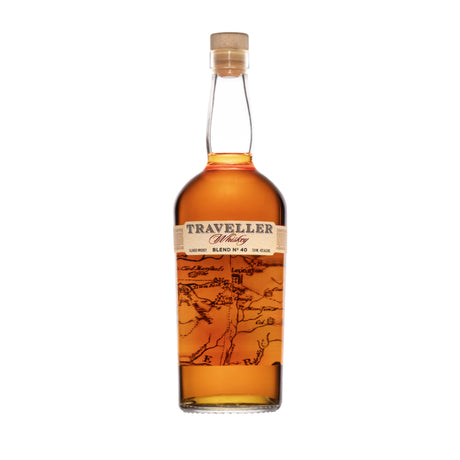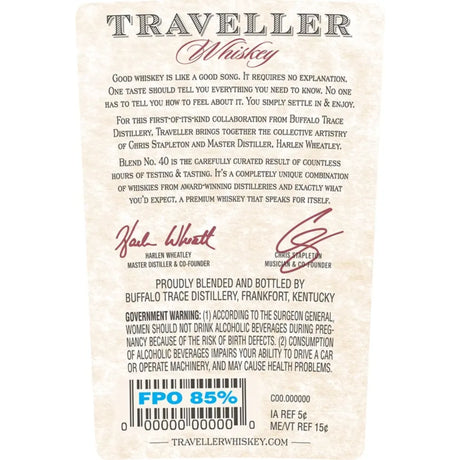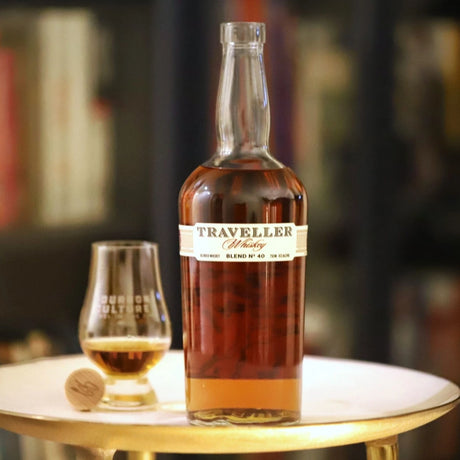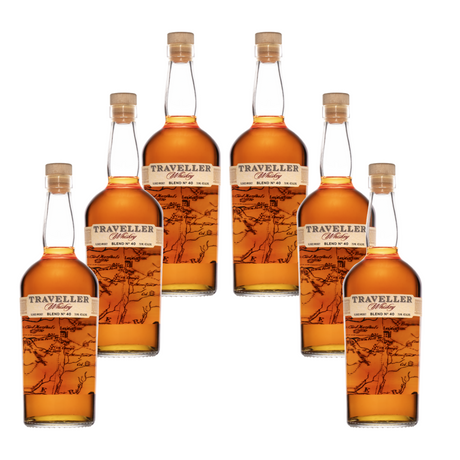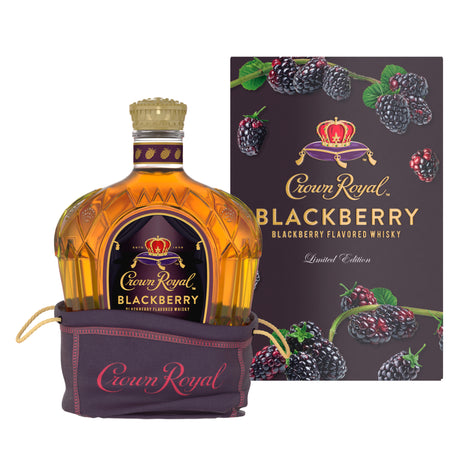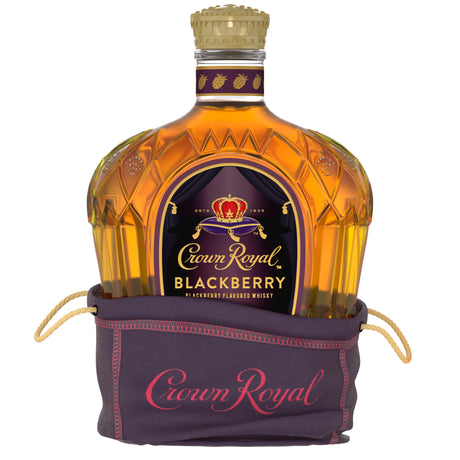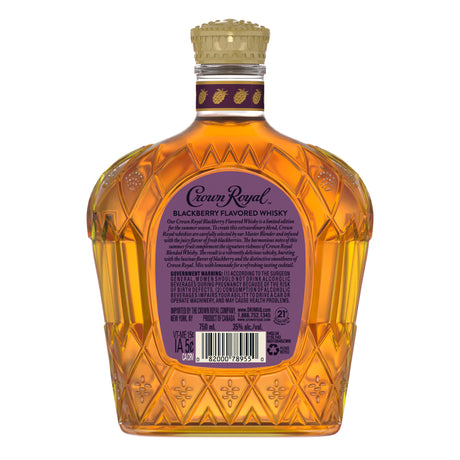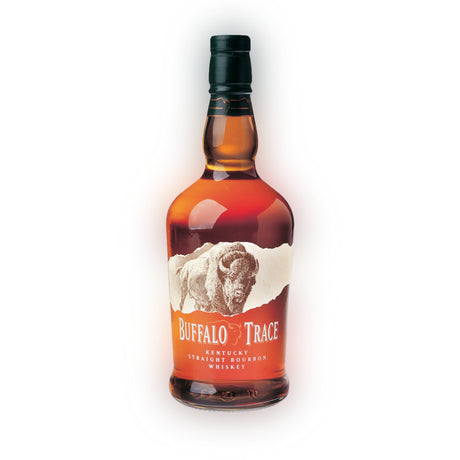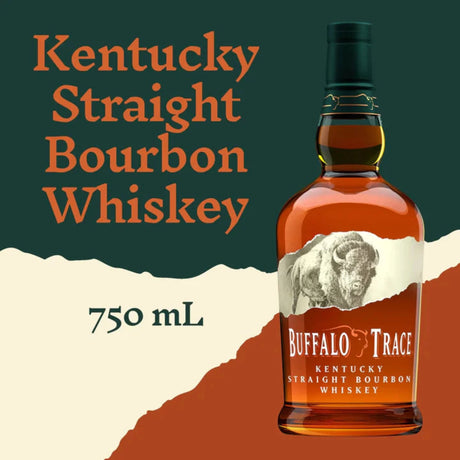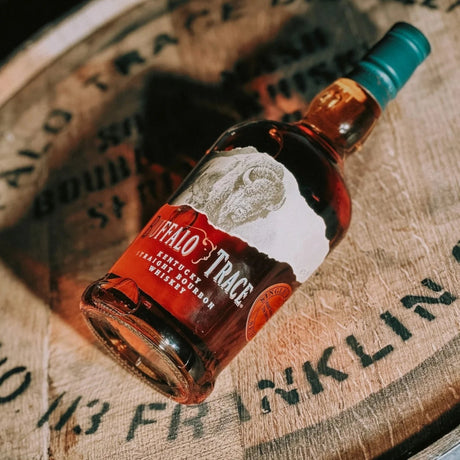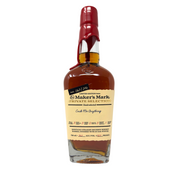
Cool whiskey bottles are more than just vessels—they're the visual centerpiece of any bar or collection. Whether you're hunting for a statement piece to display, a memorable gift for a spirit enthusiast, or the next addition to your collector's cabinet, the 2026 whiskey landscape offers stunning options across every budget tier. This guide explores the bottles that command attention: striking designs, rare distillery finishes, and collectible releases that prove whiskey aesthetics matter as much as what's inside.
Whiskey Bottle Design: Why Aesthetics Matter
A bottle's visual impact begins before the first sip. Distilleries invest heavily in glass architecture, label design, and presentation because collectors and gift-givers understand that opening a beautiful bottle elevates the entire experience. The rise of Instagram-worthy spirits means producers are rethinking traditional duty-free minimalism in favor of distinctive silhouettes, custom closures, and heritage-driven label work.
From a retailer's perspective, the bottles that move fastest aren't always the highest-proof or most rare—they're the ones that spark conversation on a shelf or gifting list. A striking bottle signals thoughtfulness: you've selected something beyond the everyday, something the recipient will want to display. That visual signal translates to perceived value and genuine satisfaction.
Display Bottles: Statement Pieces for Your Home Bar
Display bottles work best when they marry aesthetics with story. These are bottles you're not necessarily cracking open immediately; instead, they anchor a bar cabinet and reflect your taste in spirits and design. Look for distillery-specific designs that emphasize heritage—tall, sculptural bottles, custom wax seals, or unique glass treatments that catch light. The best display pieces pair an iconic silhouette with a liquid that justifies the prominence. That means hunting for releases from distilleries known for both visual and flavor discipline.
Explore our whiskey collection to find bottles with distinctive designs that stand out in a home setting. Many mid-to-premium releases feature thoughtful packaging that rewards display prominence. Consider bottles from distilleries whose aesthetic matches your decor—whether that's minimalist modern, rustic farmhouse, or classic luxury.
Gift-Worthy Bottles: Impressive & Thoughtful
A great gift bottle balances accessibility with distinctiveness. The recipient should recognize the bottle as a premium selection without feeling they're obligated to "save it" forever. These are bottles that invite opening—perhaps within a few weeks or months—and deliver a drinking experience that matches the care you took in selecting them.
Consider your recipient's taste: Do they prefer bourbon's vanilla and oak sweetness, or rye's spice and richer mouthfeel? Are they curious about Japanese whisky, Scotch, or American expressions? The best gift feels personally chosen, not generic. A bottle with limited availability, an unusual finish, or a heritage story often feels more thoughtful than an obvious flagship. Browse our bourbon whiskey selection for gift-appropriate releases that impress without requiring prior collector expertise.
Collector Tiers: From Entry to Rare
Building a whiskey collection works best with a clear framework. Most collectors begin with entry-level bottles (quality standards at accessible price points), graduate to mid-shelf releases (limited editions, special finishes, single barrels), and eventually pursue rare and hard-to-find bottlings. Each tier has distinct appeal.
Entry-Level Collecting (Foundation Building)
Start with widely available releases from respected distilleries. These bottles teach your palate, establish baselines for different whiskey styles, and cost little if you decide to open them. Look for standard expressions from major houses—they're affordable, consistent, and often overlooked by collectors chasing rarity.
Mid-Shelf Collecting (Depth & Discovery)
This is where collecting becomes active. Single-barrel picks, limited-release finishes, and small-batch expressions offer uniqueness without five-figure price tags. Retailers often source barrel picks—bottles selected specifically for their provenance and flavor profile. These feel proprietary and give you a genuine connection to the sourcing process.
Rare & Allocated (Advanced Collecting)
Older releases, discontinued expressions, and allocated bottles from sought-after distilleries define advanced collections. Our rare bottles collection features hard-to-find releases that justify their place in serious cellars. These bottles often appreciate in value, though investment motivation should never override your genuine interest in drinking or preserving them.
Aesthetic Categories: Designing Your Visual Collection
Collectors often organize by distillery, region, or whiskey style—but visual organization works too. Some collectors build around a color story (amber, deep mahogany, light gold), others by bottle shape or label design. Japanese whisky bottles, for example, tend toward minimalist elegance. Heritage Scottish distillery releases often feature heritage-driven label work. American bourbon typically emphasizes simplicity and craft authenticity.
When building a collection with visual cohesion in mind, consider how bottles appear when arranged together. Do you prefer matching heights and cap styles, or intentional variety? The best collections reflect personal taste—whether that's curated uniformity or eclectic celebration of whiskey diversity. Our premium selection includes visually striking bottles that deserve shelf space.
Bottle Care & Preservation for Collectors
Cool bottles deserve proper care. Store upright (cork contact shortens cork life, and upright bottles prevent cork deterioration). Keep bottles in a cool, dark place—direct sunlight and heat accelerate oxidation and fade labels. Temperature stability matters more than absolute coldness; a 55–65°F closet beats an uninsulated garage that swings 40 degrees seasonally.
For rare or allocated bottles, original boxes and paperwork preserve value. Keep receipts and authentication documentation if you ever decide to sell. Open bottles should be consumed within 2–3 years for optimal flavor; oxidation becomes noticeable after that, though whiskey in sealed bottles lasts indefinitely. Wax seals are primarily aesthetic—they don't meaningfully extend shelf life compared to standard closures.
How to Start a Cool Whiskey Collection
Begin with intention: Why do you collect? Are you drinking, investing, or building a personal museum? The answer shapes your strategy. Collectors focused on drinking should prioritize bottles they actually want to open—no shame in enjoying what you've acquired. Collectors interested in visual curation might emphasize design-forward releases. Those tracking allocation and rarity participate in a different game entirely, requiring patience, industry connections, and realistic expectations about availability.
Set a budget framework. Many collectors allocate 40% to core releases they love, 40% to experimentation (single-barrel picks, regional expressions, unusual finishes), and 20% to stretch bottles—those allocated, rare, or collector-tier releases that feel special. This balance prevents collection drift while maintaining excitement and discovery. Start with our whiskey range to identify bottles that genuinely appeal to you, then build outward.
Frequently Asked Questions
What makes a whiskey bottle collectible?
Collectible bottles combine rarity (limited production or allocation), distillery prestige, age statement (older expressions command more attention), unusual finishes (cask-type variations, special releases), and design distinctiveness. Secondary factors include vintage, proof, and authentication documentation. Investment potential exists, but genuine collecting always starts with bottles you'd be happy to own regardless of resale value.
Should I open a cool bottle or keep it sealed?
If you bought it to enjoy, open it. Whiskey doesn't improve in the bottle—it reaches its final flavor when bottled. Sealed bottles stay stable indefinitely, but the spirit doesn't evolve. If a bottle feels significant (rare allocation, special gift, historic release), you might wait for a meaningful moment to open it. No whiskey bottle is too special to drink if you genuinely want to experience it.
How do I authenticate rare or allocated whiskey bottles?
Purchase from reputable retailers with transparent sourcing (like Liquor Geeks). Check distillery documentation, batch numbers, and packaging details against known production runs. Be skeptical of dramatically below-market pricing—counterfeiting exists in allocated whiskeys. Request high-resolution photos before purchase, and verify bottle weight, glass characteristics, and label printing quality. Building relationships with trusted retailers eliminates much uncertainty.
What's the difference between allocated and rare whiskey?
Allocated bottles are current releases in limited supply—distilleries intentionally restrict distribution to build demand. Rare bottles are older releases, discontinued expressions, or historically significant bottlings no longer in production. Allocated bottles may become more available over time; rare bottles likely won't. Both carry premium pricing, but for different reasons.
Can I invest in whiskey bottles long-term?
Whiskey can appreciate in value, but collecting for investment alone often leads to poor decisions. Buy bottles you'd genuinely want to own or drink. If appreciation happens, that's a bonus. Market factors (condition, provenance, market sentiment, distillery reputation) all influence value. Limited-edition releases from respected distilleries historically hold value better than novelty bottles or trendy one-offs.
Shop Whiskey at Liquor Geeks
Browse our full whiskey collection, bourbon selection, and rare bottles to discover cool bottles for display, gifting, or collecting. Shipping rules vary by state—check our shipping eligibility page before ordering.