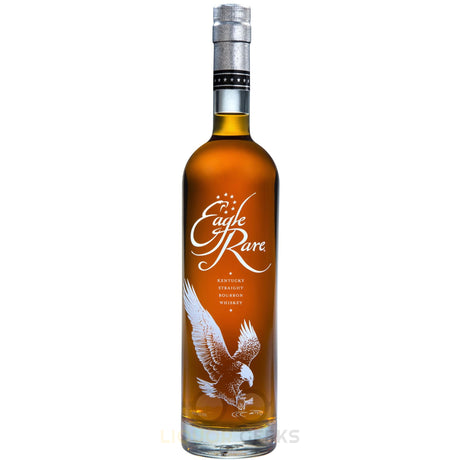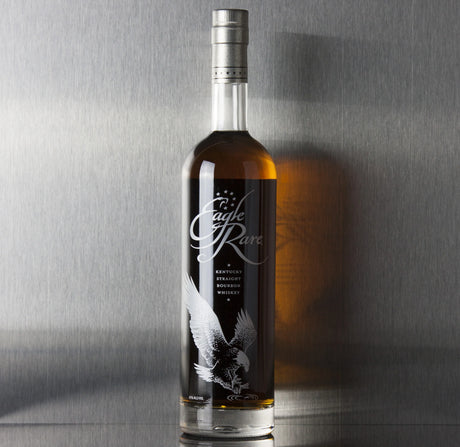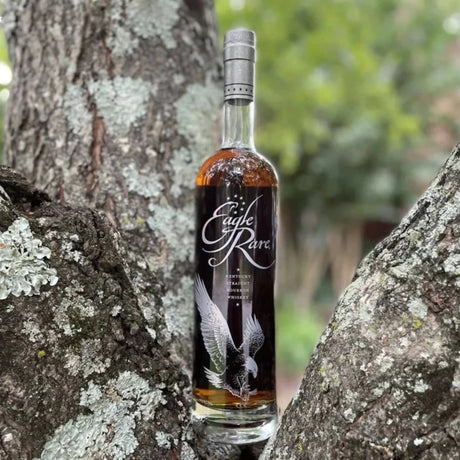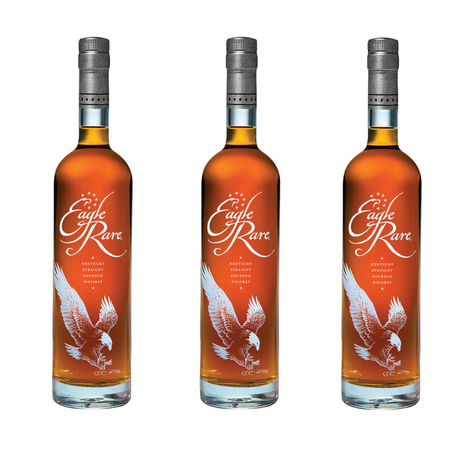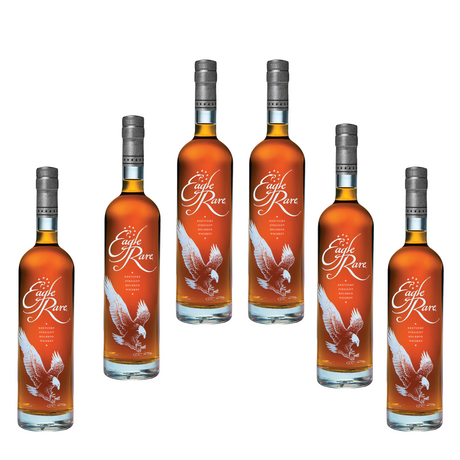

Eagle Rare 10 Year Kentucky Straight Bourbon is one of the most sought-after expressions in the Buffalo Trace portfolio, prized for its age statement, balanced profile, and allocation scarcity. Unlike many no-age-statement (NAS) bottles flooding shelves, this bourbon carries a guaranteed 10 years in the barrel—a promise that matters when evaluating what you're actually getting. This guide unpacks Eagle Rare's identity, how it stacks against sibling expressions like Buffalo Trace and Weller Special Reserve, the gap between suggested retail and street pricing, and practical advice for collectors navigating today's bourbon market.
What Makes Eagle Rare 10 Year Different
Eagle Rare sits in an interesting middle zone within the Buffalo Trace lineup. It has an age statement (10 years minimum), but isn't a single barrel or limited release. This middle positioning—more mature than Buffalo Trace's NAS offering, yet more accessible than Blanton's Single Barrel—creates consistent demand. The bourbon is bottled at 90 proof, a deliberate choice that preserves the oak and vanilla notes without harsh alcohol burn.
At Buffalo Trace Distillery, Eagle Rare receives no-age-stated sourcing; all barrels are tracked to ensure the 10-year threshold is met. The recipe itself is the same high-rye mashbill used in Elmer T. Lee and Blanton's, which brings herbal spice and darker fruit notes alongside traditional caramel and oak character. The consistent mashbill across the product family means you can expect a familiar flavor profile, though aging duration creates meaningful variation.
Age Statement Context in the Modern Bourbon Market
The 10-year age statement on Eagle Rare carries real weight. In 2024–2025, most entry-level bourbons carry no age statement at all; they legally need only be aged four years to call themselves "straight bourbon." Aged-in-bond expressions guarantee four years minimum but reveal little about the actual pour. Eagle Rare's guarantee of 10 years means the spirit spent a full decade maturing—moving through Kentucky's seasonal temperature swings, developing oak extraction and wood tannins that simply cannot happen in four years.
This age statement also signals production discipline. Buffalo Trace doesn't rush barrels to market to chase demand; they wait a full decade. That restraint is increasingly rare and translates to a more structured, integrated whiskey. You'll notice this in the palate—the oak flavors taste natural and balanced rather than thin or boozy.
Head-to-Head: Eagle Rare vs. Buffalo Trace
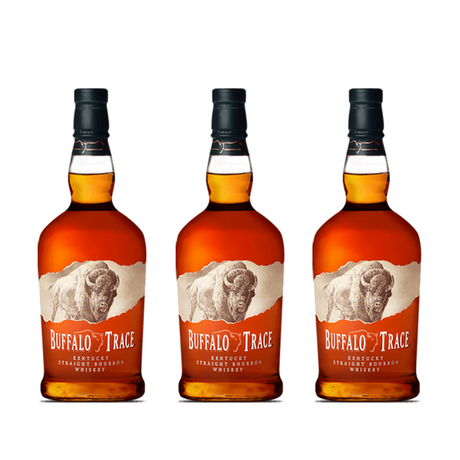
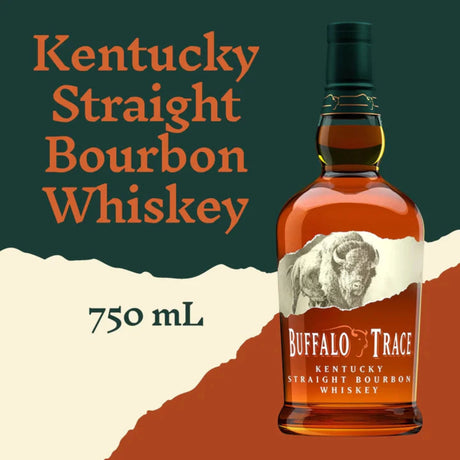
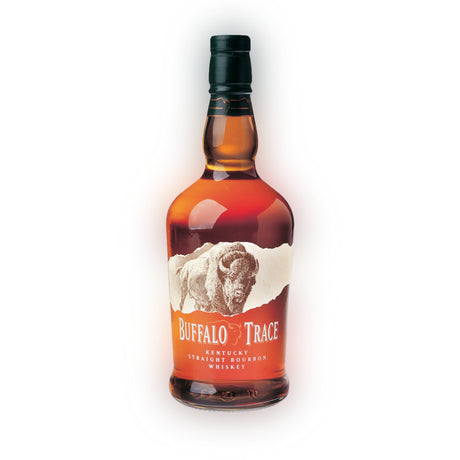
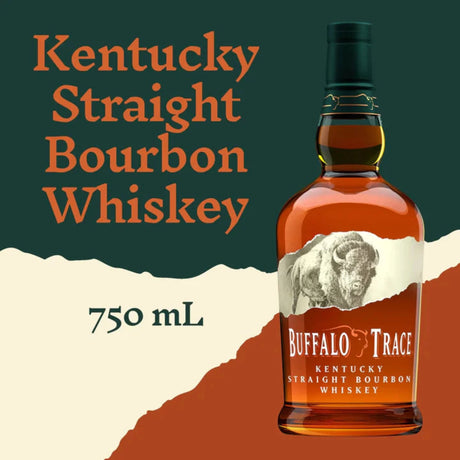
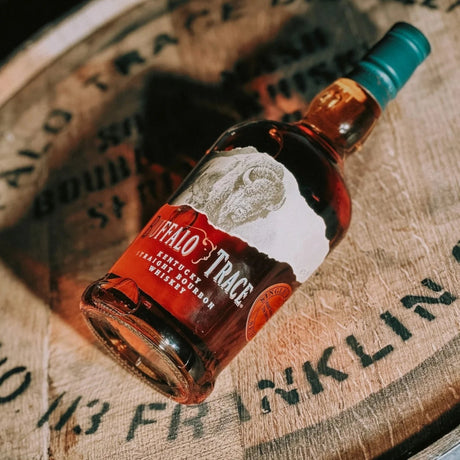
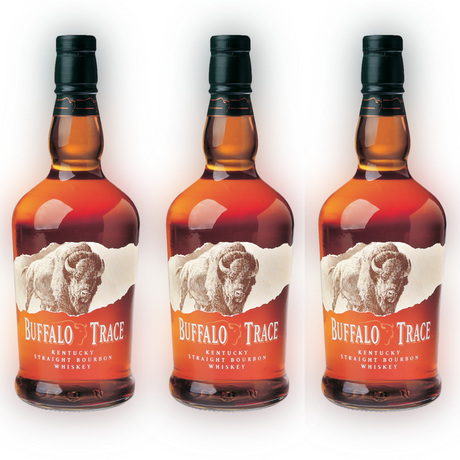
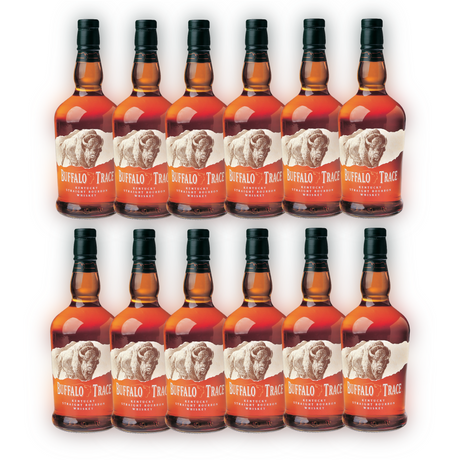
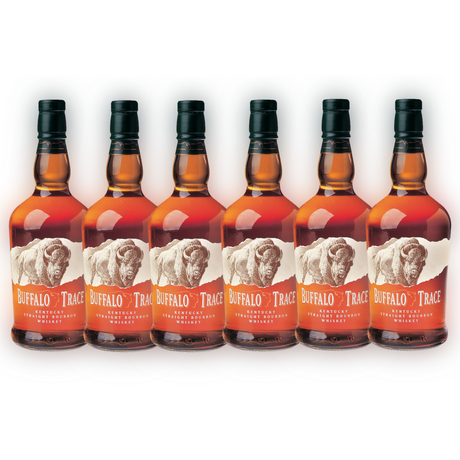
Buffalo Trace and Eagle Rare both come from the same distillery and use the same high-rye mashbill, but the 10-year age difference is profound. Buffalo Trace, an NAS expression typically aged around 6–7 years, offers vanilla frosting, caramel, and light spice with a softer finish. It's approachable, clean, and designed for both neat sipping and cocktails.
Eagle Rare's extended aging brings deeper oak structure, richer dried fruit (raisin, prune), darker toffee, and a longer, more complex finish. Where Buffalo Trace is bright and accessible, Eagle Rare demands a moment of attention—the added years have layered in texture and subtlety. If you're building a home bar, Buffalo Trace is the weeknight pour; Eagle Rare is the occasion bottle or the foundation of a more contemplative tasting.
From a retail perspective, the pricing gap between the two is significant, but the gap in quality per dollar is debatable. Buffalo Trace punches well above its entry-level tier. But if you're willing to move up in price, Eagle Rare's age statement and integrated flavor profile justify the step.
Comparing Eagle Rare to Weller Special Reserve
Weller Special Reserve is the wheated bourbon in the Buffalo Trace family—no rye in the mashbill, which produces a softer, sweeter profile. Both Eagle Rare and Weller SR are age-statement bourbons, but they appeal to different palates. Weller fans tend to prefer the creamy mouthfeel and candy-forward sweetness of wheated expressions. Eagle Rare drinkers lean into spice, oak structure, and darker fruit complexity.
The real market dynamic is allocation. Both are allocated, both command premiums, and both have similar MSRP bands. Your choice between them often comes down to flavor preference (rye vs. wheat) and what your local retailer has in stock. Collectors who want to sample the full Buffalo Trace portfolio will pursue both; casual drinkers should choose the style that appeals to them rather than chasing "the rarer one."
Market Reality: Suggested Retail vs. Street Pricing
Buffalo Trace maintains a suggested retail price for Eagle Rare, but that figure has become almost mythical in practice. The bottle moves fast, and secondary market pricing (when you can find it at all) typically runs well above MSRP. This is allocation scarcity at work: demand vastly outpaces supply, so retailers can charge premiums and still sell through inventory quickly.
At Liquor Geeks, we price Eagle Rare competitively within the allocation market. We're not charging collector-tier markups—you won't see three-figure premiums—but we also can't match a suggested retail that exists primarily on paper. The reality is that any 10-year-old bourbon with consistent quality and brand recognition will command a market premium until supply normalizes (which, for Eagle Rare, isn't forecast anytime soon).
The takeaway: if you find Eagle Rare at a fair price point, it's worth buying for your collection or to enjoy neat. Don't expect bargains, and don't assume street pricing is a sign of inferior quality. The market is simply constrained.
Tasting Notes and Food Pairing
Neat, Eagle Rare opens with caramel, orange peel, and light oak. A few drops of water open up dried cherry, vanilla, and clove. The palate is smooth (thanks to the 90-proof bottling), with medium body and layers of toffee, dark chocolate, and subtle spice on the finish. The finish is warming but not harsh—it lingers for a good 15–20 seconds without becoming astringent.
For food pairing, Eagle Rare pairs beautifully with smoked meats (brisket, pork shoulder), dark chocolate desserts, and aged cheddar. The oak and spice complement richness without overwhelming delicate dishes. It's also an excellent aperitif bourbon—complex enough to stand alone, balanced enough not to fatigue the palate before a meal.
In cocktails, Eagle Rare works in classics like the Old Fashioned or Sazerac, where its oak and spice enhance rather than disappear behind other ingredients. Some bartenders reserve it for neat pours and use Buffalo Trace for mixed drinks, which is a sensible allocation strategy if you're budget-conscious.
Single-Barrel vs. The Standard Expression
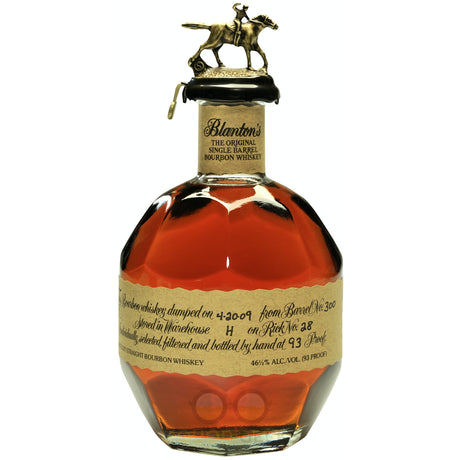
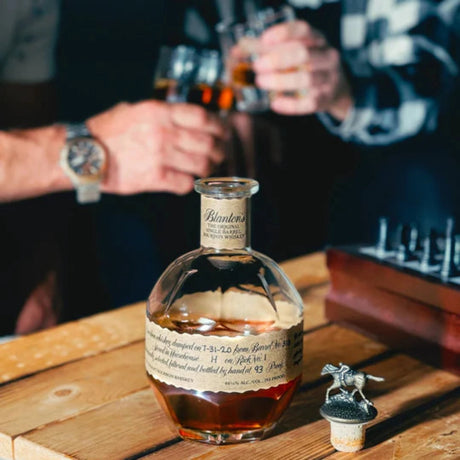
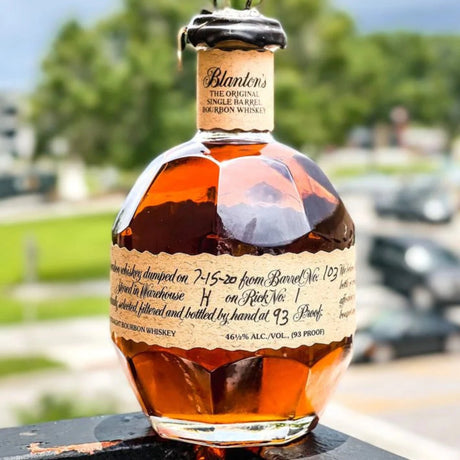
Eagle Rare is released as a standard bottled-in-bond expression (not single barrel). Every bottle comes from the same blend of barrels, ensuring consistency. If you're looking for single-barrel variation, you'll want to explore Blanton's, which uses the same mashbill and offers barrel-by-barrel uniqueness. The trade-off: Blanton's commands higher prices and has even tighter allocation than Eagle Rare.
For most drinkers, the standard Eagle Rare is the right choice. You get age statement, consistent quality, and a more available product (relatively speaking) than single-barrel releases.
Building Your Collection: Eagle Rare as an Anchor
From a collector's perspective, Eagle Rare 10 Year is a foundational bottle. Its age statement, production history, and brand prestige make it a cornerstone of American whiskey appreciation. If you're serious about bourbon, having a bottle (or two) makes sense—not as an investment, but as a reference point for understanding what 10 years of Kentucky maturation tastes like in a high-rye bourbon.
Consider pairing it with Buffalo Trace to understand the impact of aging time. If wheated bourbons interest you, add Weller Special Reserve for comparison. Explore bundle options if you want to sample complementary expressions in the Buffalo Trace family without committing to full bottles of each.
Frequently Asked Questions
What is the proof of Eagle Rare 10 Year?
Eagle Rare 10 Year is bottled at 90 proof (45% ABV). This deliberate choice balances alcohol warmth with spirit detail, preventing the bourbon from becoming either thin or too hot to enjoy neat.
How does Eagle Rare's rye-heavy mashbill affect its flavor?
The high-rye mashbill contributes herbal spice, darker fruit notes, and a drier finish compared to wheated bourbons. You'll notice clove, pepper, orange peel, and dried cherry—flavors that feel complex rather than purely sweet.
Why is Eagle Rare allocated and hard to find?
Buffalo Trace produces Eagle Rare in limited quantities relative to demand. The 10-year age statement means barrels take a full decade to mature before release, constraining supply. Brand prestige and consistent quality further elevate demand among collectors and bartenders.
Should I buy Eagle Rare if I already own Buffalo Trace?
Yes, if you enjoy the flavor profile. The 10-year aging creates a noticeably deeper, more complex bourbon. Think of it as the natural next step in exploring the Buffalo Trace family rather than a redundant purchase.
Is Eagle Rare a good investment bottle?
Eagle Rare is great for building a tasting collection and understanding bourbon maturation, but it's not a speculative investment like rare bottles from the 1990s. Buy it to drink and enjoy, not to flip for profit.
Shop Bourbon at Liquor Geeks
Browse our full bourbon collection and find Eagle Rare 10 Year in stock. We also carry Buffalo Trace, bundle options combining Eagle Rare with other premium expressions, and a curated selection of allocated releases. Shipping rules vary by state—check our shipping eligibility page before ordering.