
"Rare bourbon" has become a marketing term that's lost all precision. Walk into any bar or spirits forum in 2026 and you'll hear the word applied to everything from limited-release pours to bottles that sit on shelves across the country. The truth is more complex: allocation mechanics, production volume, and secondary-market pricing all shape what genuinely qualifies as rare—and more importantly, whether it's worth what people are asking for it. This guide cuts through the noise to show you how the bourbon allocation game actually works and how to avoid overpaying for hype.
What "Rare" Actually Means in Bourbon
Rarity in bourbon isn't just about how few bottles are produced. It's a cocktail of allocation strategy, retailer access, and market perception. A bottle might be technically rare because the distillery releases only 3,000 cases per year—but if those cases are spread across all 50 states and international markets, the perceived scarcity collapses. Conversely, a bourbon might have larger national production but funnel nearly all of it to a single region or a handful of luxury retailers, creating artificial scarcity and explosive secondary-market premiums.
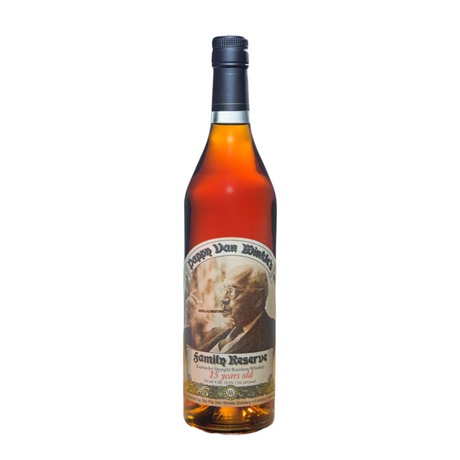
The key distinction: allocated is not the same as rare. Allocation simply means the distillery limits how much each retailer receives. Rarity means there's a legitimate supply constraint—low distillery production, age statements that require years in the barrel, or a discontinued expression. When you see Pappy Van Winkle 15 Year commanding three-figure premiums, you're looking at both: genuine scarcity (the Van Winkle brand produces in small volumes) combined with lottery-allocation systems that make bottles hard to find at retail.
The Buffalo Trace Allocation Ecosystem
Buffalo Trace Distillery dominates the rare bourbon conversation, and for good reason. The distillery controls a portfolio that includes wheated bourbons, high-rye expressions, and single-barrel programs, all of which feed secondary markets and collector obsessions. Understanding their allocation model is critical to understanding bourbon rarity in 2026.
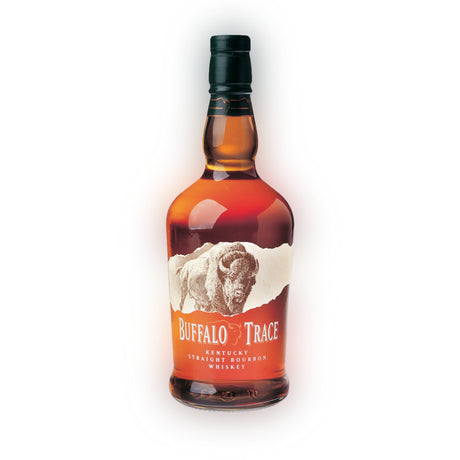
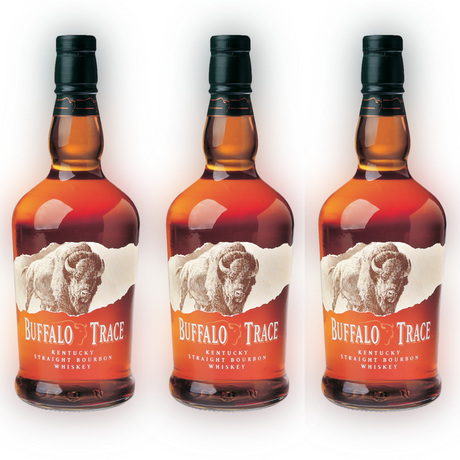
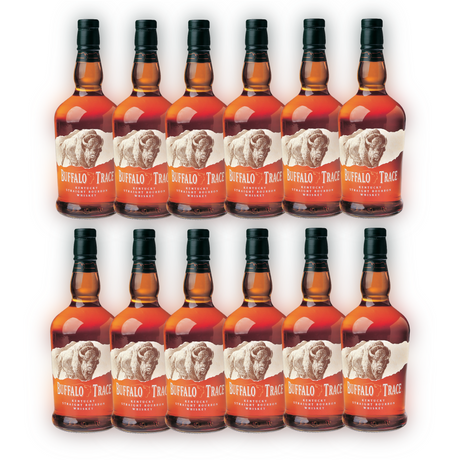
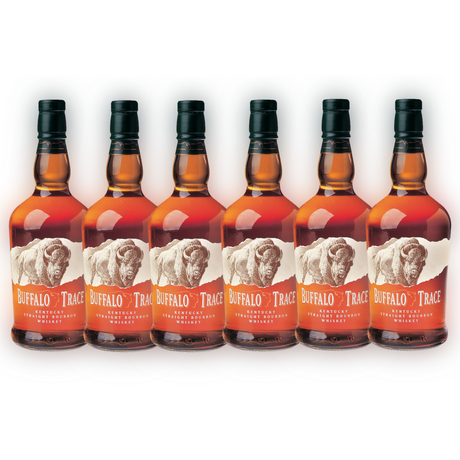
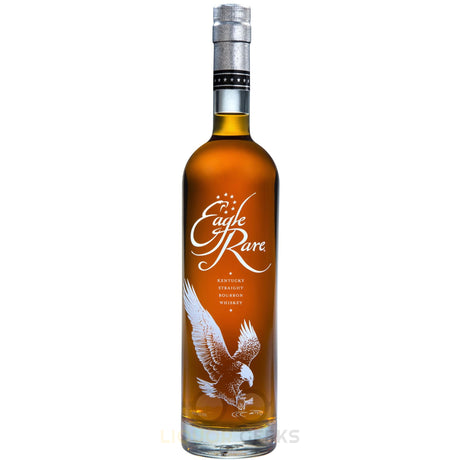
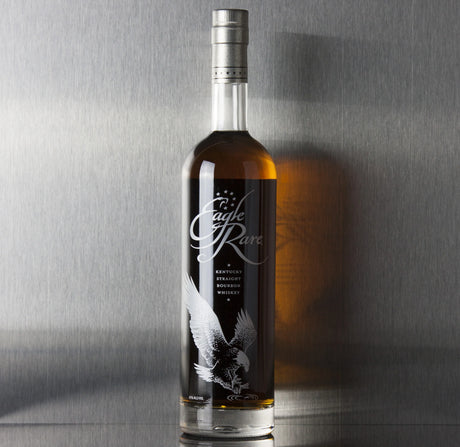
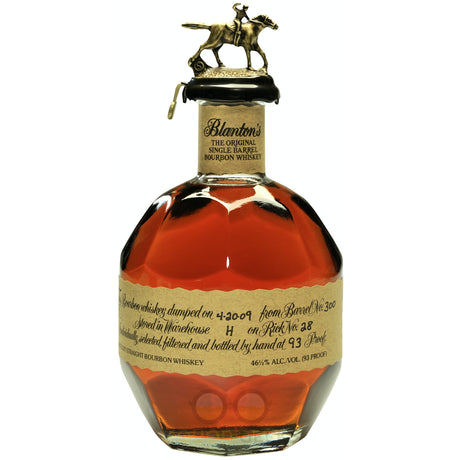
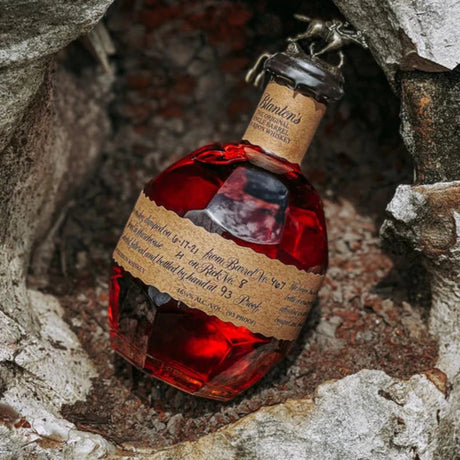
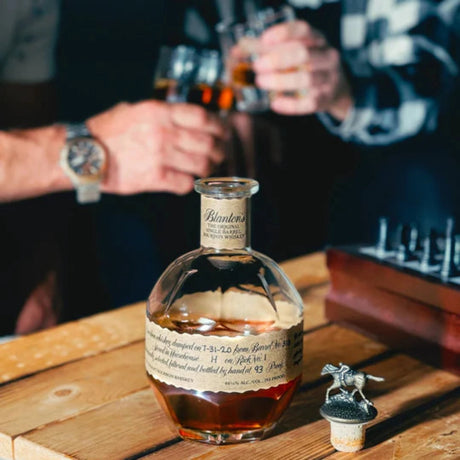
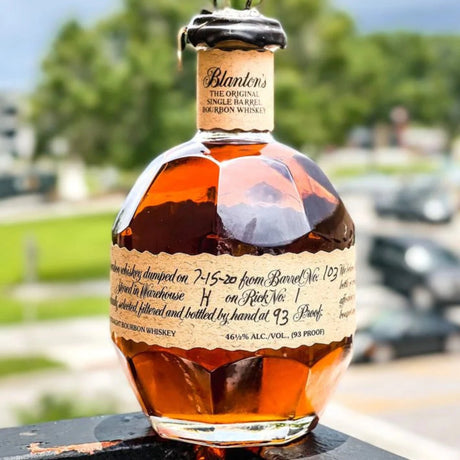
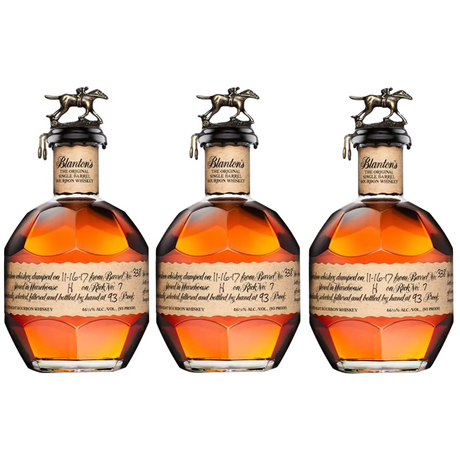
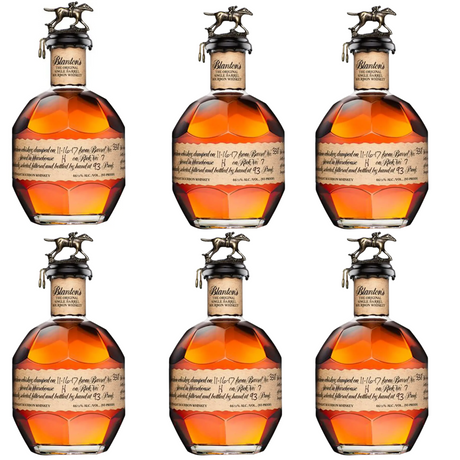
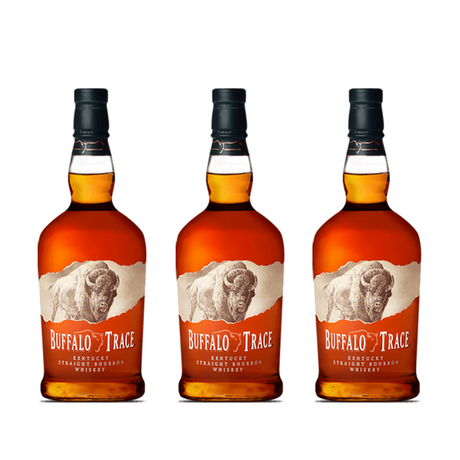
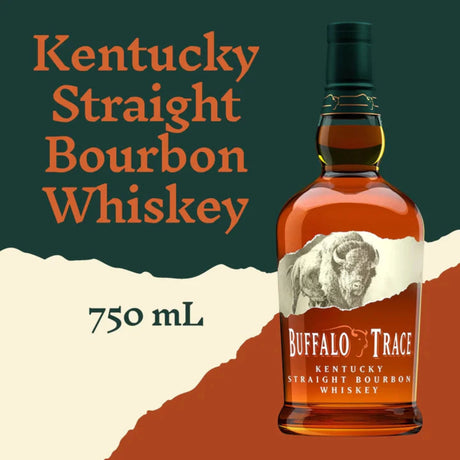
Buffalo Trace Bourbon, their flagship, is available year-round in significant volume. It's not rare, though it may be allocated to specific retailers during peak seasons. Eagle Rare 10 Year, by contrast, is allocated but not produced in tiny numbers—the issue is retail allocation rather than distillery capacity. Single-barrel programs like Blanton's Single Barrel, which pioneered the single-barrel category, sit in a middle tier: each barrel is unique, production is higher than it was in the 1980s, but allocation still limits retail availability in many states.
The Weller wheated bourbon line—including W.L. Weller Full Proof—represents Buffalo Trace's most allocated segment. Limited-release or special-finish expressions in this line can command significant secondary premiums because the wheated recipe has a loyal collector base and production caps are strict.
Primary vs. Secondary Markets: Where the Premium Lies
Retail prices (primary market) and secondary-market prices (resale, bars, collector networks) diverge dramatically for allocated bourbons. A bottle that retails for a mid-shelf price point might sell for double or triple on Facebook groups, auction sites, or at high-end bars. Understanding this gap is essential to avoiding overpayment.
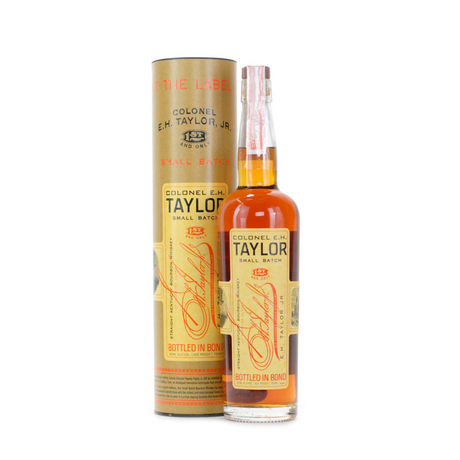
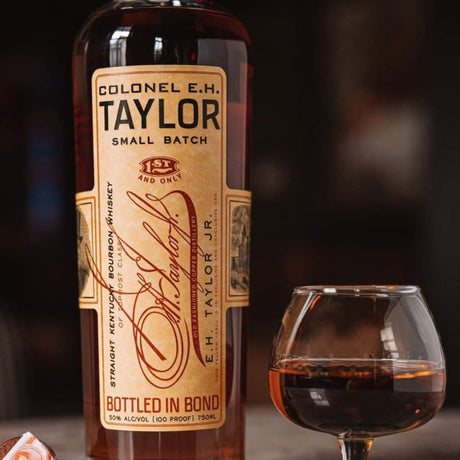
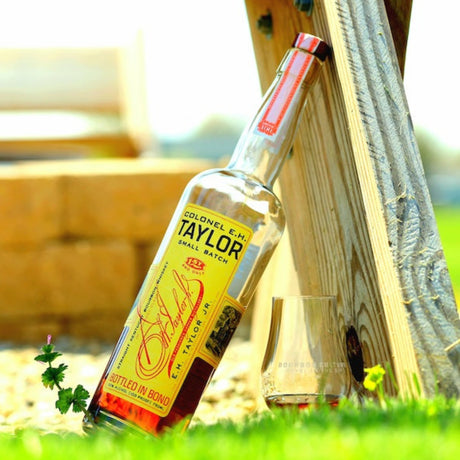
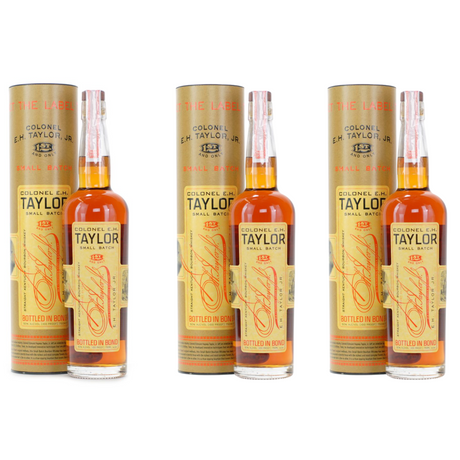
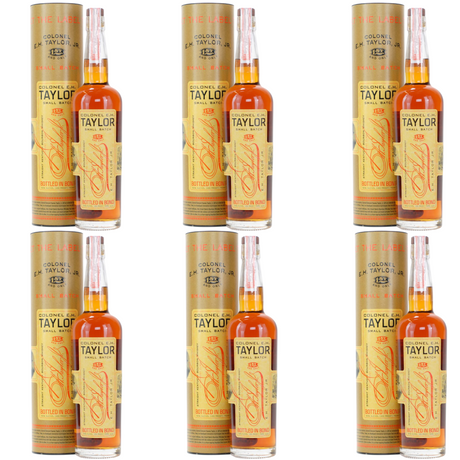
The secondary market premium correlates with allocation scarcity, brand prestige, and collector demand—not always with quality or flavor. A relatively accessible bottle like Colonel E.H. Taylor Small Batch trades at modest premiums (20–40% above retail) because it's allocated but not lottery-level scarce. By contrast, bottles that have achieved legendary status—or are traded by collectors as trophy pieces—can see 100–300% markups.
The secondary market is also where amateurs overpay. If you're buying at bars or through resellers, expect premiums. If you want to build a collection at reasonable value, focus on retail allocation, state lottery systems, and Liquor Geeks' inventory to capture primary-market pricing before bottles reach the secondary tier.
The Allocation Tier List: A Retailer's Honest Breakdown
Not all allocated bourbons are created equal. Here's how the bourbon world stratifies in 2026:
Tier 1: Ultra-Limited (Lottery/Impossible to Find at Retail)
Pappy Van Winkle 15 Year anchors this category. Production is deliberately tiny; distribution is managed through state lotteries and select retailers. Secondary premiums are extreme. Our take: Collectors pursue this for prestige and wheated bourbon history, but flavor-for-dollar doesn't justify the secondary price. Worth pursuing only if allocated at retail.
Tier 2: Highly Allocated (Limited to Select Retailers)
Expressions like Eagle Rare 10 Year and single-barrel programs fall here. Produced in moderate volume but allocated such that many retailers never stock them. Secondary premiums range from 50–150%. Our take: Real quality bottles; secondary premiums are steep but not insane if you love the profile.
Tier 3: Allocated But Available (Found at Most Retailers, Some Seasons)
Buffalo Trace, Wild Turkey Rare Breed Barrel Proof, and wheated limited releases land here. Available at Liquor Geeks and other retailers; allocation is real but supply is higher. Secondary premiums are modest (10–40%). Our take: Best value for collectors; quality is excellent, and you can often find retail pricing.
Tier 4: Non-Allocated or Minimally Allocated
Standard bottles like Blanton's Single Barrel in most markets, or broad-release expressions, sit here. Widely available, secondary market prices track close to retail. Our take: Accessible entry points; no collector premium necessary.
Why Production Volume Doesn't Tell the Whole Story
A distillery might produce 100,000 cases per year, but if 90,000 are committed to supermarket chains and large wholesalers, and only 10,000 hit specialty retailers and allocation programs, the perceived scarcity among enthusiasts is high. Conversely, a smaller distillery that sells direct to multiple regional chains may feel more available than its barrel count suggests.
Distilleries use production volume strategically. Some, like Buffalo Trace, deliberately cap output on prestige expressions to maintain collector hunger. Others flood markets with standard bottlings to maximize shelf presence. Neither is bad; they're just different strategies. The retail shopper benefits from understanding the strategy: if a bottle is hard to find, it's usually by design, not accident.
How to Avoid Overpaying on the Secondary Market
Secondary-market premiums are often justified by rarity, but they can also reflect pure hype, speculative trading, or market inefficiency. Here's how to stay disciplined:
Buy at retail first. Check Liquor Geeks and local retailers before paying secondary premiums. Many allocated bottles are easier to find than collectors claim.
Know your budget tier. Decide what flavor profiles matter to you, then identify the highest-quality bottle in your price tier. Don't chase brand names; chase taste. Elmer T. Lee Single Barrel and W.L. Weller C.Y.P.B. are excellent quality and typically available without eye-watering premiums.
Resist FOMO. The secondary market thrives on fear of missing out. If a bottle is gone today, it will likely be produced again or a similar expression will fill the gap. Patience beats panic buying.
Avoid bars for allocated bottles. On-premise (bar) markups on rare bourbons are brutal—often 2–3x retail. Enjoy them there, but don't buy them thinking you're getting a deal.
Frequently Asked Questions
Is Pappy Van Winkle worth the secondary-market price?
It depends on your goals. As a wheated bourbon, it's excellent—but the flavor isn't dramatically better than W.L. Weller Full Proof, which you can often find at retail for a fraction of secondary premiums. Pappy is worth pursuing at retail; secondary prices are collector tax, not value.
What's the difference between "allocated" and "limited release"?
Allocated means the distillery restricts how much each retailer receives (usually year-round or seasonal). Limited release means production ends or is capped for that expression. A bottle can be both, or just one. Understanding which matters for your buying strategy.
Are high-proof bourbons rarer than standard-proof bottles?
Not necessarily. High-proof bottlings like barrel-proof expressions are often made from the same juice, just uncut and unfiltered. Rarity depends on production caps and allocation, not proof. Some barrel-proof releases are highly allocated; others are standard production.
Should I buy bourbon as an investment?
Secondary-market appreciation exists for ultra-rare bottles, but it's unpredictable and illiquid. Buy bourbon because you like the taste. If it appreciates, that's a bonus. Treating rare bourbon purely as an investment is risky; you're competing with seasoned collectors and speculators.
What's the best way to build a rare bourbon collection without overpaying?
Focus on retail allocation and state lotteries. Build relationships with multiple retailers. Hunt for allocated bottles at grocery-store chains (often overlooked). Prioritize expressions that interest you over bottles that are simply famous. You'll build a personal collection faster and cheaper than chasing secondary-market trophies.
Shop Bourbon at Liquor Geeks
Browse our full bourbon collection, including allocated releases and single-barrel programs. We update inventory regularly, and many bottles are available at primary-market pricing. Shipping rules vary by state—check our shipping eligibility page before ordering.