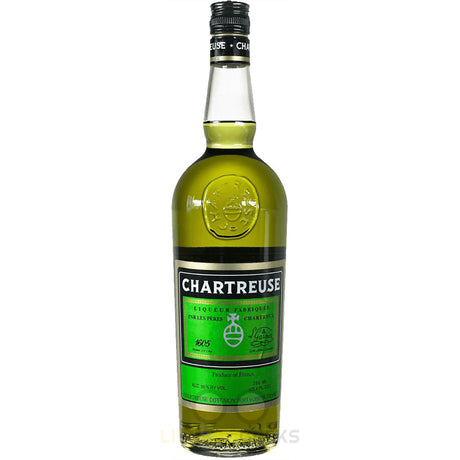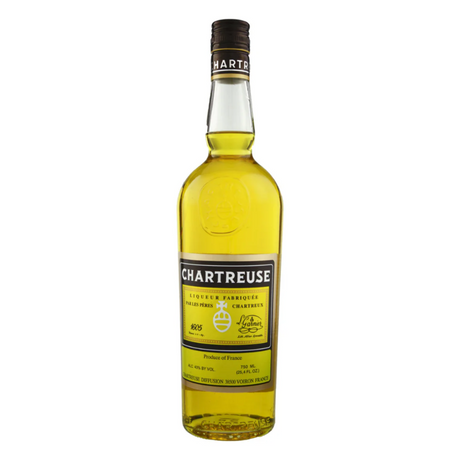

Green Chartreuse and Yellow Chartreuse are two distinct expressions of the world's most secretive herbal liqueur, both produced by Carthusian monks in Voiron, France. While they share a foundational recipe built on 130 plants, herbs, and flowers—a formula known only to two living monks—they differ significantly in proof, flavor intensity, sweetness, and cocktail application. Understanding these differences will help you choose the right bottle for your bar and appreciate why both remain prized by bartenders and spirit enthusiasts worldwide, even as availability tightens in 2026.
The Monastic Legacy: A Single Recipe, Two Expressions
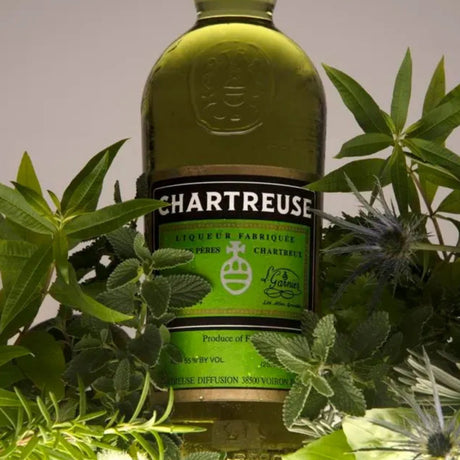
Chartreuse's origin story traces back to 1605, when the Carthusian order received a manuscript describing an elixir formula. The monks refined and perfected the recipe over 150 years, arriving at the formula used today in 1764. Both Green and Yellow Chartreuse are distilled from the same 130 botanicals—a combination that includes hyssop, angelica, lemon balm, mint, and dozens of other plants—but the production differences create their distinct characters.
The natural coloring is perhaps the most remarkable aspect of both liqueurs. Green Chartreuse's vivid emerald hue and Yellow Chartreuse's golden tone are derived entirely from the maceration and aging of those botanicals, not from artificial dyes. This natural color extraction demands patience and expertise; the monks age both expressions in oak under careful supervision, a process that contributes significantly to their complexity and, ultimately, to their production constraints.
Proof and Alcohol Content: A Critical Divide
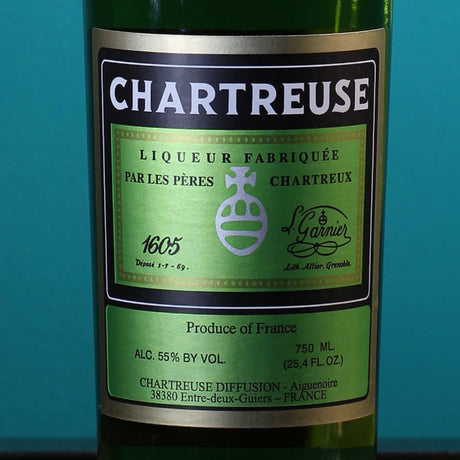
Green Chartreuse bottled at 55% ABV stands as one of the highest-proof liqueurs in commercial production. This elevated alcohol content is not accidental—it serves as a preservative and intensifies the extraction of herbal compounds during aging. The higher proof delivers a warming, almost spiritous sensation on the palate, with more pronounced barrel contact and oxidative maturation.
Yellow Chartreuse, by contrast, bottles at 40% ABV. This lower proof creates a noticeably softer mouthfeel and allows the liqueur's sweeter botanical notes—particularly honey, saffron, and vanilla undertones—to emerge more prominently. The reduced alcohol also makes Yellow more approachable as a sipping liqueur neat or over ice, whereas Green demands respect and often serves as a building block in cocktails.
The proof difference is not merely numerical; it fundamentally shapes the sensory experience. At 55% ABV, Green Chartreuse's herbaceous and peppery notes leap forward. At 40% ABV, Yellow Chartreuse invites a more measured, leisurely exploration of its softer spice and honey characteristics.
Flavor Profile and Herbal Character
Green Chartreuse tastes like a concentrated distillation of a mountain herb garden. The nose presents bright mint and anise notes, followed by deeper herbal complexity—hints of basil, fennel, and a peppery finish that lingers. The palate is drying and intensely botanical, with a sharp bite from the high proof that evolves into a warming, lingering finish. Some tasters detect notes of hay and earth alongside the more obvious mint and citrus accents.
Yellow Chartreuse is sweeter and more refined on the nose, with pronounced honey and vanilla notes that soften the herbal backbone. The palate is smoother, with candied citrus peel, a touch of saffron, and a honeyed warmth that makes it approachable even for those new to herbal liqueurs. The herbal character remains complex but feels enveloped in sweetness, making it a more dessert-oriented expression.
Neither is "better"—they serve different purposes. Green rewards contemplation and works brilliantly in spirit-forward cocktails where its boldness amplifies the drink. Yellow invites casual sipping and plays well in lighter, citrus-driven mixed drinks or as an after-dinner pour.
Cocktail Applications: Last Word vs. Swizzle
The Last Word—a Prohibition-era cocktail—is Green Chartreuse's signature drink. Built on equal parts gin, Green Chartreuse, fresh lime juice, and green crème de menthe, the Last Word showcases the liqueur's herbal intensity and high proof. The 55% ABV allows Green to hold its own against the gin and stand up to the lime's acidity without disappearing. The drink becomes a balanced, spicy-herbal meditation where no ingredient dominates.
The Chartreuse Swizzle, a classic from the Caribbean, traditionally calls for Yellow Chartreuse. Built with rum, fresh lime juice, simple syrup, and bitters, with a generous float of Yellow Chartreuse, the liqueur's sweetness and lower proof complement the rum's richness and the drink's leisurely stirring (swizzling) technique. Yellow's honey undertones meld seamlessly with aged rum, creating a sophisticated tropical sipper.
Beyond these classics, Green Chartreuse works well in spirit-forward cocktails like the Sazerac variation or in punches where you want herbal backbone. Yellow shines in lighter, fresher mixed drinks, tiki-style cocktails, and as an ingredient in house-made liqueurs or digestifs.
Production Scarcity and 2026 Availability
Both Chartreuse expressions face production constraints as of 2026. The monks' commitment to traditional methods—hand-picking botanicals, aging in oak, and maintaining a centuries-old process—means production cannot be rushed to meet demand. Additionally, the herbal ingredients themselves are subject to agricultural variation and sourcing challenges that affect vintage-to-vintage consistency.
Green Chartreuse, the flagship expression, has historically faced the tightest allocation at retail. Its cult status among bartenders and collectors drives demand that outpaces supply. Yellow Chartreuse, while less scarce, is increasingly difficult to secure, especially in larger format bottles. If you spot either expression at a reputable retailer, availability should be verified before committing to purchase.
Which One Should You Choose?
If you're a bartender building a cocktail program, Green Chartreuse is non-negotiable for spirit-forward and classic drinks. Its high proof and assertive character allow it to anchor complex cocktails and punches. If your home bar skews toward lighter drinks, tiki, or sipping liqueurs neat, Yellow Chartreuse may be the wiser initial investment—it's slightly more forgiving and pleasurable on its own.
The ideal answer, of course, is to own both. A Chartreuse Green & Yellow pairing provides the full spectrum of the monks' craft: one for the morning spirit-forward cocktail, one for the evening digestif. Even as availability tightens, having both in your collection ensures you're prepared for any Chartreuse-focused cocktail recipe and can appreciate the full range of this legendary liqueur's complexity.
Frequently Asked Questions
What are the main differences between Green and Yellow Chartreuse?
Green Chartreuse is bottled at 55% ABV and tastes intensely herbal and dry, with mint, anise, and peppery notes. Yellow Chartreuse is 40% ABV, sweeter, with honey and saffron undertones. Green is best in spirit-forward cocktails; Yellow excels in lighter drinks and sipping.
Can you drink Green Chartreuse neat?
Yes, but it requires respect. At 55% ABV, Green Chartreuse is potent and best sipped slowly over ice or in a small amount. Its herbal intensity and high proof make it more approachable in cocktails for most drinkers, though spirit enthusiasts often enjoy it neat as a digestif.
Which Chartreuse should I buy first?
If you enjoy cocktails, start with Green Chartreuse for classics like the Last Word. If you prefer lighter drinks and sipping, begin with Yellow. Ideally, both offer different experiences worth exploring.
Are Green and Yellow Chartreuse naturally colored?
Yes, both liqueurs derive their colors entirely from the 130 botanicals in the recipe. No artificial dyes are used. The colors result from maceration and aging in oak, a process that contributes to their complexity and requires time and care.
Why is Chartreuse so hard to find in 2026?
Chartreuse is produced in limited quantities using traditional methods that cannot be industrialized. The monks age the liqueurs in oak, hand-source botanicals, and maintain quality standards that prioritize craft over volume. Demand far exceeds the monastery's production capacity.
Shop Chartreuse at Liquor Geeks
Explore our curated Chartreuse selection, including Green Chartreuse and Yellow Chartreuse. Both are essential for the serious home bar. Check our shipping eligibility page to confirm we can deliver to your state.