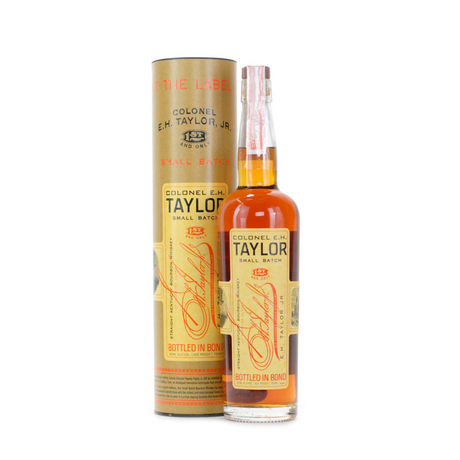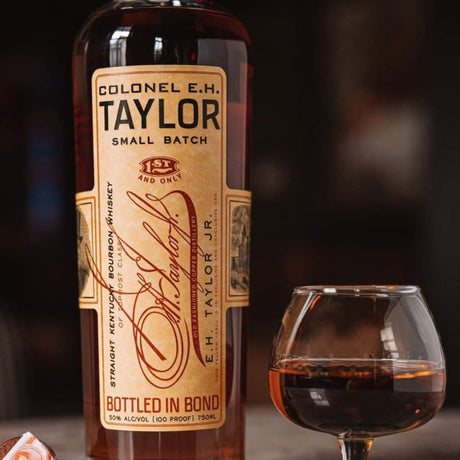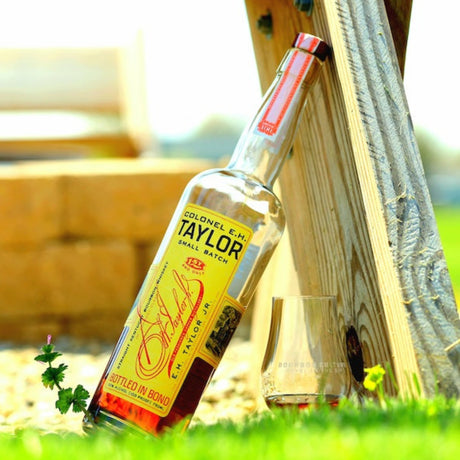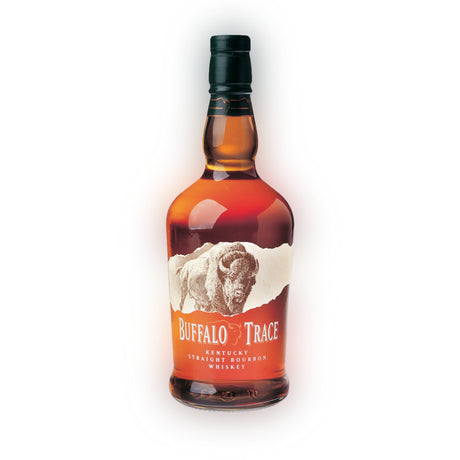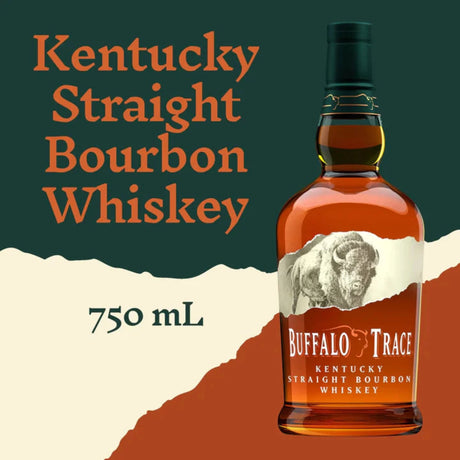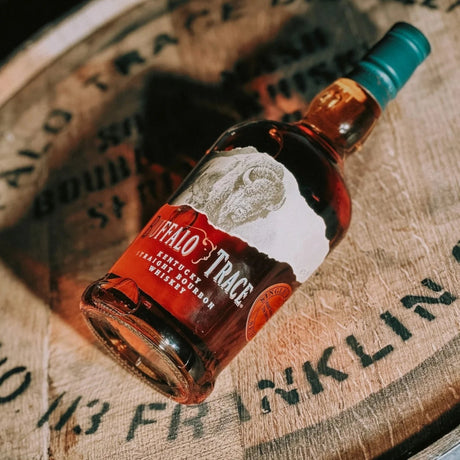

E.H. Taylor bourbon stands apart on retailer shelves because it marries historical reverence with real-world execution. Named after Colonel Edmund Haynes Taylor Jr., who pioneered bottled-in-bond standards in the 1880s, the EH Taylor lineup reflects Buffalo Trace's commitment to age statements, batch transparency, and bourbon education. But which bottle should you buy first—the single barrel, the small batch, or the barrel proof? This guide cuts through allocation noise and tasting-room hype to show you what's actually worth chasing.
The E.H. Taylor Philosophy: Bottled in Bond Matters
All EH Taylor expressions carry Bottled in Bond certification, a federal standard that guarantees 100-proof minimum, distillation in a single season, and a minimum four-year aging period in federally bonded warehouses. That's not marketing speak—it's law, enforced by the TTB. Colonel Taylor himself pushed for these rules in the 1880s because he believed consumers deserved transparency.
This heritage shapes everything: you won't find chill-filtered EH Taylor releases, coloring agents, or secret sourcing deals. What you get is mid-barrel product aged in century-old rackhouses on the Buffalo Trace campus, hand-selected barrels, and a team that rotates inventory with intentionality. For a retailer, that means scarcity is real—not manufactured through artificial hold-backs, but genuine because the distillery limits production to barrel-by-barrel selection.
Small Batch: The Foundation Expression
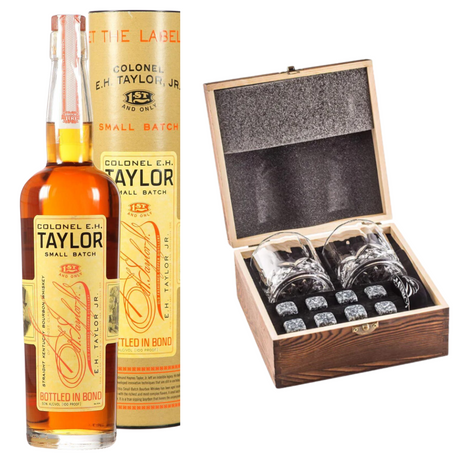
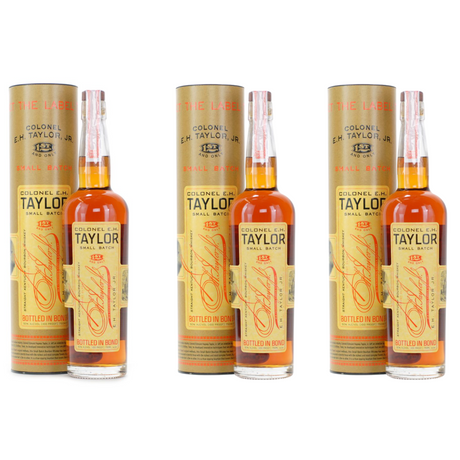
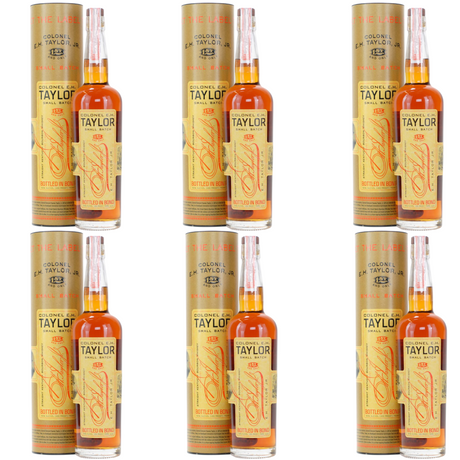
The Colonel E.H. Taylor Small Batch Bourbon is your entry point and, honestly, the bottle that converts skeptics. A small batch is a blend of hand-selected barrels (typically 15 to 20) chosen for balance rather than extreme proof or rarity. You're drinking a blender's choice, not a single barrel's whimsy.
The product achieves 100 proof and carries at least four years of age, but the actual average in the bottle often runs older—six to eight years depending on warehouse location and barrel maturity. The profile leans toward caramel, vanilla, and dried cherry, with a softer entry than single-barrel versions. If you've never tried EH Taylor, start here. It's widely available (relative to the brand's other releases), sits at an entry-level price point within premium bourbon, and teaches your palate what the Buffalo Trace warehouse floors taste like.
Why Small Batch First?
Single barrels vary wildly. A barrel from Warehouse A, tier 4 tastes completely different than one from Warehouse C, tier 2, or an outside barrel stored on the grounds. Small batch erases that lottery. You get consistency, proof, and a curated profile. It's also easier to find; retailers typically stock it year-round because Buffalo Trace knows it's the gateway.
Single Barrel Releases: The Lottery Ticket
Once you've tasted small batch, you understand why single-barrel hunting exists. Single barrels from the EH Taylor lineup are hand-selected expressions, each with a unique barrel number and warehouse location printed on the label. Some cost barely more than small batch; others command collector-tier pricing because the particular barrel hit a sweet spot in aging.
The variability is intentional. A single barrel aged in the cooler north wall of a warehouse will be more restrained, tannin-forward, and spice-heavy. One from the warm south side will show more wood extraction, darker caramel, and softer edges. Some single barrels age 8 or 9 years; others run 12 or 15. Buffalo Trace doesn't rush the selection—a barrel becomes available for single-barrel release only when the master blender signs off.
The realistic take: if you see an EH Taylor single barrel on a retailer shelf, buy it if you like the warehouse description and barrel number. Don't wait for the "perfect" release. Collectors often miss bottles debating specs, then find nothing else on the shelf for three months. The inventory reality is that single-barrel drops are sporadic, allocation-based, and region-dependent. Your local store might get one bottle per quarter, or none in a given year.
Barrel Proof Expressions: Pure Proof, Uncut
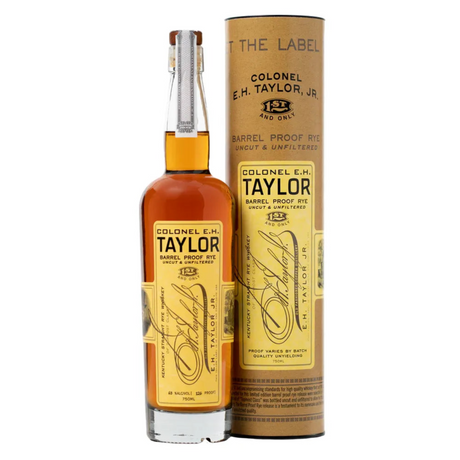
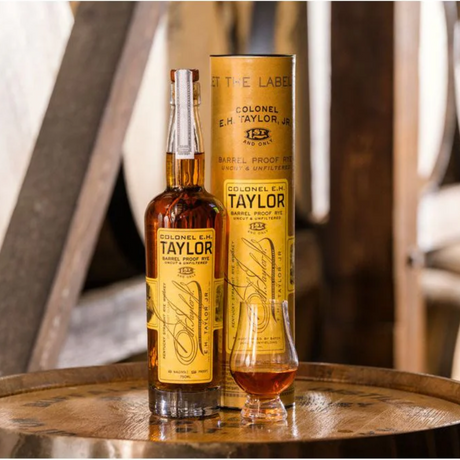
The Colonel E.H. Taylor Barrel Proof Rye represents the brand's uncompromising end of the spectrum. Barrel proof means no water addition post-barrel—the whiskey comes straight from the barrel at its natural proof, typically in the 125–135 range. You're tasting the barrel's full intensity: wood tannins, caramel depth, and the highest-proof iteration of EH Taylor's selection philosophy.
Barrel proof whiskeys command higher pricing because they're less produced and because collectors prize the proof and uncut nature. The rye expression shows more spice and herb character than the bourbon lineup, with peppery rye spice amplified by lack of water dilution. If you have experienced EH Taylor and want to understand how much water softens the profile, barrel proof is your classroom.
But a caution: barrel proof is not intrinsically better. It's different. A 125-proof barrel proof isn't automatically superior to a 100-proof small batch if you prefer softer integration and approachability. Proof chasing is a hobby, not a virtue. Buy based on what your palate actually enjoys, not the number on the label.
Allocation Reality: What You'll Actually Find
EH Taylor has become a status symbol in bourbon circles, which means allocation is tighter than it was five years ago. Buffalo Trace produces a finite number of bottles. MSRP exists, but secondary-market demand drives retail pricing upward in hot markets. You'll see:
Small Batch: Most reliable. Most retailers can stock it if they allocate shelf space. Found in most states where bourbon sales are legal.
Single Barrel: Sporadic. Appears in retailer allocations maybe 4–8 times per year, depending on geography. Independent retailers in bourbon-heavy states (Kentucky, New York, California) see more volume. Big-box chains get them less often.
Barrel Proof: Rarest. Often reserve-list or allocation-only. Some retailers don't stock it at all; others sell it online only to avoid line-ups. The rye proof expression is even more limited.
The truth: chase what's available, not what you've heard about. If you find an EH Taylor single barrel at a fair price, buy it. Don't assume you'll see that bottle again.
Which Bottle to Chase First: A Buyer's Roadmap
If you're new to bourbon: Small batch. Non-negotiable. It's your baseline.
If you like small batch and want variety: Hunt a single barrel from a warehouse description that appeals to you (warmer barrels = softer, cooler barrels = spice-forward). Accept that you'll try different barrels over time.
If you love high-proof bourbon and have tried multiple EH Taylor products: Barrel proof rye is worth experiencing. The proof amplifies rye spice and wood tannins—a completely different drink than the 100-proof small batch.
If you're building a collection: Small batch as a foundation, single barrels to show range, and barrel proof as a premium expression. EH Taylor bottles age gracefully in glass and never decline in collector appeal.
Tasting Notes by Expression: What to Expect
Small Batch: Caramel, vanilla, dried cherry, light oak spice, soft entry, balanced mid-palate.
Single Barrel (varies by warehouse): Expect the base profile plus warehouse-specific character. Cooler warehouse barrels show more rye spice and tannin grip; warmer sides emphasize caramel and wood sweetness.
Barrel Proof Rye: Intense herbal spice, white pepper, dark oak, dried fruit, full-mouth coating, long finish with lingering wood tannin and spice.
None of these are "wrong." Your palate decides. Many whiskey retailers and bartenders rotate between them based on mood and occasion—small batch for lighter evenings, single barrel for study and analysis, barrel proof for pure intensity.
Frequently Asked Questions
Is all E.H. Taylor bottled in bond?
Yes. Every expression across the EH Taylor portfolio—small batch, single barrel, barrel proof—carries Bottled in Bond certification. This means 100 proof minimum, single-season distillation, minimum four-year aging, and federal warehouse bonding. It's not optional branding; it's the product standard.
How much older is E.H. Taylor than the age statement says?
The four-year Bottled in Bond minimum is enforceable. In practice, barrels selected for EH Taylor products often run older—six to ten years depending on warehouse location and master-blender approval. But don't count on a bottle being significantly older than four years unless the label states it. Buy based on what you can verify on the bottle.
Which E.H. Taylor expression is best for cocktails?
Small batch. Its balanced proof, approachable flavor, and caramel-vanilla profile work beautifully in Manhattans, Bourbon Smashes, and sours. Single barrels and barrel proof are too variable and too valuable to mix—save those for neat pours and study.
Why is barrel proof more expensive than small batch?
Lower production volume, higher proof (no water added), and collector demand. Barrel proof releases are allocated in smaller quantities. Retailers often reserve allocation for loyal customers or mailing lists. Retail pricing reflects that scarcity.
Can I age E.H. Taylor further in my home collection?
Once bottled, whiskey stops aging. The bottle is inert. EH Taylor already aged 4+ years in wood at the distillery. Storing it in your collection at home maintains quality but doesn't add maturity. Buy and drink on your timeline, not based on home-aging myths.
Shop Bourbon at Liquor Geeks
Explore our full E.H. Taylor lineup and bourbon collection. Shipping rules vary by state—check our shipping eligibility page before ordering to confirm availability in your region.