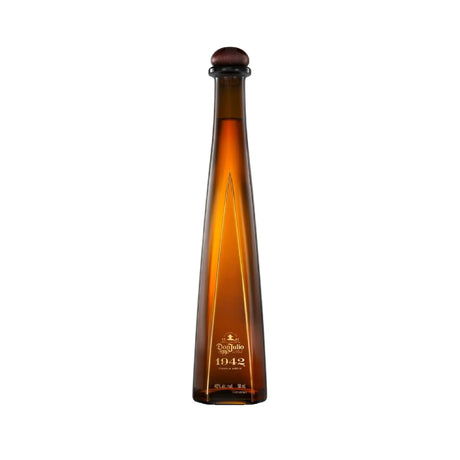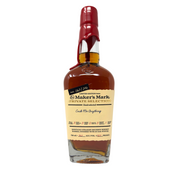

Pinch Scotch—more formally known as Dimple Pinch—has returned to prominence after years of relative obscurity in the US market. The bottle, immediately recognizable by its three-sided dimple decanter wrapped in woven wire, represents one of Scotch whisky's longest continuously-produced blends, with a heritage dating back nearly three centuries. Today's Pinch revival isn't nostalgia alone; it's the return of an honest, well-crafted blended Scotch that deserves a place on your shelf alongside the usual suspects.
The Long History Behind the Dimple
Pinch Scotch originated in the late 1700s in Scotland, making it one of the oldest existing Scotch whisky brands. The distinctive dimple decanter—the visual signature that set it apart on backbars and in home liquor cabinets—appeared in the early 20th century and became so iconic that the bottle itself became shorthand for the brand. For over a century, Pinch was a staple of Scottish hospitality and a trusted pour in establishments ranging from Edinburgh pubs to London's finest hotels.
The brand's trajectory mirrors broader shifts in the spirits industry. As single-malt mania took hold in the 1990s and 2000s, blended Scotches lost shelf space and consumer mindshare. Pinch, like many established blends, saw availability shrink in the US. But recent years have brought a reassessment of blended whisky's quality and versatility, and Pinch has benefited from that cultural shift. Today's version isn't a re-invention; it's a genuine return of an authentic product.
What's Inside the Bottle: The Blend Structure
Dimple Pinch 15 Year is built from over 30 malt and grain whiskies, with Glenkinchie Lowland malt as the primary base. This is important: Pinch is a working blend, not a prestige release attempting to ape single malts. The 15-year age statement indicates a minimum maturation period, and the formula has remained consistent enough that longtime drinkers recognize the profile immediately.
The malt-forward character comes from careful selection of component whiskies, balanced against grain whisky backbone for smoothness and integration. Unlike contemporary craft blends that chase novelty, Pinch prioritizes stability and drinkability. The result is a whisky that tastes like what it is: a quality Scottish blend suited to both neat sipping and mixing. You'll find notes of dried fruit, subtle spice, and a touch of heather honey—nothing jarring, nothing overshadowed by high wood influence or forced complexity.
Availability and the Collector's Angle
After years of scarcity in the US market, Dimple Pinch 15 Year is now available again through major retailers and distributors, including Liquor Geeks. The return is quiet—no massive marketing campaign, no limited-edition packaging—which speaks to the authenticity of the revival. This isn't a cash grab; it's a genuine restoration of stock driven by renewed appreciation for blended Scotch.
For collectors, Pinch represents an interesting play. The current release is readily available at an accessible price point, which means it won't command the secondary market premiums of rare single malts or hard-to-find bourbons. However, older bottlings—particularly pre-1990s releases with the original labeling—do hold value and collectibility. If you're building a whisky collection, holding a modern bottle alongside a vintage example tells a coherent story about brand continuity and market cycles.
Who Should Buy Pinch Scotch?
Pinch Scotch serves several distinct drinker personas effectively. First: whisky enthusiasts exploring the blended category seriously. If you've been focused on single malts and high-rye bourbons, a quality blend offers a different framework for understanding flavor and craftsmanship. Pinch's age statement and malt-forward profile make it a gateway into that conversation without requiring collector-tier investment.
Second: the casual home drinker or entertainer. Pinch occupies the middle ground between everyday blends and prestige releases. It's sophisticated enough for a dinner party pour, unpretentious enough for regular enjoyment, and recognizable enough that guests understand the bottle. The dimple decanter adds visual interest without screaming "rare"—it's confident without being showy.
Third: bartenders and hospitality professionals restocking classic cocktail programs. A well-made blended Scotch like Pinch anchors a proper Scotch whisky cocktail menu. The blend's smoothness and integration make it forgiving in mixed drinks while retaining enough character to shine in spirit-forward applications.
Pinch in Cocktails vs. Neat
Pinch works in both contexts, but the approach differs. Neat or over a single large ice cube, Pinch rewards slowness. The malt complexity opens gradually, and the lower proof (compared to high-cask-strength whiskeys) means the spirit doesn't scald your palate—you can taste how the blend components interact. A simple glass of water alongside lets you explore the whisky at different dilution levels.
In cocktails, Pinch's integration shines. The blend's design prioritizes compatibility, not dominance. A classic Scotch whisky cocktail like a Whisky Sour or Rob Roy allows Pinch to contribute structure and character without overwhelming citrus or vermouth. Many bartenders prefer blended Scotches for cocktails precisely because they don't fight back; the spirits in the mix respect each other. The grain whisky content adds roundness that keeps drinks from becoming too austere.
The Value Proposition Today
In 2026, Pinch Scotch occupies a genuine value position. You're not paying for rarity or secondary market hype. You're buying a 15-year-old blended Scotch with authentic heritage and current availability. Compare that to entry-level single malts that cost substantially more with younger age statements, or craft releases that rely on packaging novelty rather than maturation time. Pinch represents honest pricing for honest whisky.
The brand's low profile in contemporary whisky culture is actually an advantage for the buyer. You're not subsidizing marketing spend or collector frenzy. The bottle exists because it tastes good and has a market, not because it's trending on social media. That clarity of purpose translates to value in the glass.
Frequently Asked Questions
Is Pinch Scotch still being produced?
Yes. After a period of limited US availability, Pinch is back in production and distribution. The brand is owned by Diageo, one of the world's largest spirits companies, ensuring consistent supply and quality control. Availability may vary by state due to local regulations.
How does the 15-year age statement compare to other blends?
Most blended Scotches carry no age statement or range from 8 to 12 years. Pinch's 15-year minimum means every bottle contains whisky matured for at least that duration, which is above-average for the category. This age depth translates to broader flavor development and greater complexity than younger blends.
What's the difference between "Pinch" and "Dimple Pinch"?
The names are used interchangeably. "Dimple Pinch" emphasizes the iconic dimple decanter; modern labeling often uses both terms. They refer to the same product and blend formula.
Can I use Pinch Scotch in cocktails?
Absolutely. The blend's smoothness and balanced malt-grain integration make it excellent for spirit-forward cocktails like Scotch whisky sours, Manhattans (with Scotch instead of bourbon), and Rob Roys. Many bartenders prefer blended Scotches for classic Scotch cocktails.
How should I store an opened bottle of Pinch?
Store upright in a cool, dark place away from direct sunlight. Once opened, whisky doesn't oxidize or degrade in the bottle like wine does, so a properly capped Pinch bottle will remain stable for years. The dimple decanter design is aesthetic, not ideal for long-term re-sealing, so ensure the cap fits snugly.
Shop Scotch Whisky at Liquor Geeks
Explore our full selection of Scotch whisky, from entry-level blends to premium single malts. Check our shipping eligibility page before ordering, as whisky shipping rules vary by state.