
Slivovitz is the plum brandy that anchors home bars and holiday tables across the Balkans and Central Europe, yet most American drinkers have never tasted it. Distilled from ripe plums rather than grain or grape, slivovitz occupies a category of its own: a clear-to-amber fruit spirit with a personality closer to a rustic eau de vie than to Cognac or whiskey. This guide walks through how it's made, how the major producers differ, and how to serve and pair it the way it's actually enjoyed at home.
What Is Slivovitz, Exactly?
Slivovitz (also spelled šljivovica, śliwowica, or slivovice depending on the country) is a fruit brandy distilled from plums, most traditionally the small, blue-purple Damson variety. Unlike brandies made from wine, slivovitz starts as fermented plum mash, which is then double-distilled in pot stills. The result is a spirit that carries genuine stone-fruit character rather than the mash-forward funk of some other fruit brandies.
The spirit is protected as a traditional product in several EU countries, with Serbia in particular pushing for geographical-indication status, similar to how Cognac or Tequila are tied to place. That regional pride matters: in much of the Balkans, homemade slivovitz is a matter of family reputation, and commercial bottlings are judged against that homemade standard.
How Slivovitz Is Made
Production starts with fully ripe plums, pits included in some traditional methods, which are crushed and left to ferment for several weeks. The fermented mash is then distilled twice in copper pot stills, concentrating the fruit esters that give slivovitz its aroma. Some producers rest the raw distillate in stainless steel or old wood for a short period to soften it; others age it for years in oak, which pulls it closer to a plum-inflected brandy with vanilla and spice notes layered over the fruit.
The plum variety matters as much as the process. Damson-type plums bring more tannin and a slightly tart, jammy depth compared to sweeter dessert plums, which is why so many labels specifically call out their fruit source.
Maraska vs. Navip vs. Jelínek: Comparing the Big Names
Three producers define most Americans' first encounter with the category, and each takes a different approach.
Maraska (Croatia)
Maraska, based in Zadar, has been distilling fruit spirits since the 18th century and is widely treated as the benchmark for unaged, fruit-forward slivovitz. The Maraska Slivovitz Brandy is built to showcase the plum itself rather than mask it with wood, making it the clearest reference point if you're new to the category. For drinkers who want to see what a few years in oak does to that same base spirit, Maraska Slivovitz 10 Year rounds out the fruit with a decade of barrel time, trading some of the raw plum snap for a rounder, more brandy-like body.
Navip (Serbia)
Navip represents the Serbian side of the tradition, historically one of the country's larger spirits and wine producers. Serbian slivovitz tends to lean slightly drier and more assertive than its Croatian counterparts, reflecting a production style that favors intensity over polish — a style worth seeking out if the Maraska profile feels too gentle.
Jelínek (Czech Republic)
Jelínek, out of Vizovice in Moravia, represents the Czech slivovice tradition, which sits at the more refined end of the spectrum. Czech distillers have historically treated slivovice with the same technical rigor applied to their pear and apricot brandies, often resulting in a cleaner, more precise spirit than the home-still versions found further south and east.
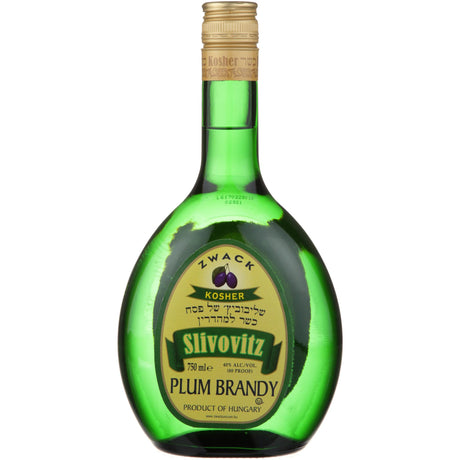
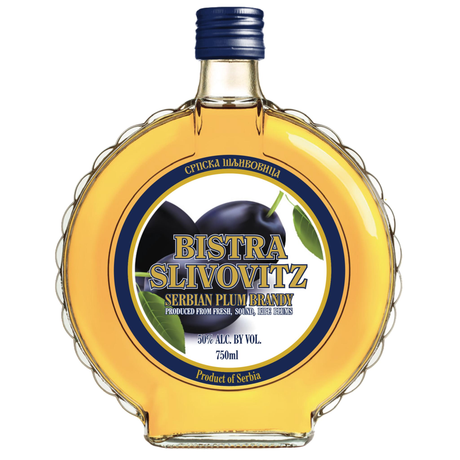
Beyond these three, Hungary's Zwack brings its own centuries-old distilling pedigree to the category. The Zwack Slivovitz 3 Year spends three years developing added depth and a touch of oak-driven complexity, positioning it between the unaged Croatian style and the longer-aged Maraska expression. Bistra, a Balkan producer working in small batches with Damson plums, offers another angle on the category with the Bistra Slivovitz, made in limited quantities that emphasize the traditional fruit-first approach.
Aged vs. Unaged: Two Different Drinking Experiences
The single biggest variable across slivovitz bottlings isn't the country of origin — it's whether the spirit saw wood. Unaged or lightly rested slivovitz is clear or pale straw in color and drinks like concentrated plum: bright, slightly tart, with a warming finish. This is the style most associated with home distilling and the one that best represents the raw category.
Aged slivovitz, like the Maraska 10 Year or Zwack 3 Year, picks up amber color and oak-driven notes of vanilla, dried fruit, and light spice, softening the fruit's edges. If you've enjoyed a young Armagnac or a fruit-forward Calvados, an aged slivovitz will feel familiar; if you want the spirit in its purest, most traditional form, go unaged.
How Slivovitz Is Traditionally Served
Across the Balkans, slivovitz is almost always served neat, at room temperature, in small stemmed glasses meant for sipping rather than shooting. It commonly appears as an aperitif before a meal, believed in folk tradition to prime the appetite, and again afterward as a digestif. In Serbia and Croatia, a small glass is a near-universal gesture of hospitality — turning down a offered shot at someone's home is considered impolite in many households.
Chilling slivovitz lightly can mute some of the sharper fruit notes if you find an unaged bottling too intense, but purists generally serve it at cellar or room temperature to let the plum character speak. It is not a cocktail base in the traditional sense, though bartenders have started using aged slivovitz as a brandy substitute in stirred, spirit-forward drinks.
Food Pairing: What Actually Works
Slivovitz's role at the table is largely about bookending a meal rather than accompanying it sip for bite. As an aperitif, it pairs naturally with cured meats, smoked fish, and sharp, salty cheeses — the fruit and acidity cut through fat the way a good digestif should. Traditional Balkan spreads featuring ajvar, kajmak, and cured sausages are the classic backdrop.
As a digestif, unaged slivovitz cuts through rich, heavy dishes like sarma (stuffed cabbage) or roasted meats, while an aged expression like the Maraska 10 Year pairs well with dark chocolate, walnut-based desserts, or a strong coffee. Because the spirit itself already carries plum sweetness, avoid pairing it with fruit-forward desserts that might read as redundant or cloying next to it.
Frequently Asked Questions
Is slivovitz the same as plum brandy?
Yes. Slivovitz is a regional name for plum brandy, distilled specifically from fermented plum mash. The name changes by country — šljivovica in Serbia and Croatia, slivovice in the Czech Republic — but the base spirit and production method are the same tradition.
What's the difference between Maraska and Jelínek slivovitz?
Maraska represents the Croatian style, typically fruit-forward and either unaged or aged in the case of its 10 Year expression. Jelínek represents the Czech slivovice tradition, generally cleaner and more refined in production style. Both are worth comparing side by side to understand the range within the category.
Should slivovitz be served chilled or at room temperature?
Traditionally, slivovitz is served at room temperature in small glasses to showcase the plum aroma and flavor. Chilling can mute some of the more intense, sharper notes in unaged expressions, but it isn't the customary approach in the Balkans.
Does aging change slivovitz significantly?
Yes. Unaged slivovitz is clear and intensely fruit-forward, while aged versions like the Maraska 10 Year or Zwack 3 Year pick up amber color and oak-driven notes of vanilla and spice, resulting in a rounder, more brandy-like drinking experience.
What foods pair best with slivovitz?
Cured meats, smoked fish, and salty cheeses work well before a meal, while aged expressions pair nicely with dark chocolate or walnut desserts afterward. It's traditionally used to bookend a meal as both aperitif and digestif rather than served alongside food.
Shop Slivovitz at Liquor Geeks
Browse our Slivovitz selection, including bottlings from Maraska, Zwack, and Bistra, to compare aged and unaged styles side by side. Shipping rules vary by state — check our shipping eligibility page before ordering.