Good mulled wine starts with the wine, not the spice jar, and the best bottle for the pot is cheaper and fruitier than most people expect. I make it every fall, and this guide covers a classic red spec, a white-wine variant, a sparkling variant, slow-cooker math for 10 guests, and how long leftovers keep. Halloween weekend is a natural time to start, and the same pot carries through Thanksgiving.
Which Reds to Use for Mulled Wine (and Which to Avoid)
Heat and time change wine. Fruit stays, delicate aromatics disappear, and tannin gets sharper and more bitter as water evaporates and the wine sits on spices. That is why the instinct to use a big, structured red is wrong for the pot.
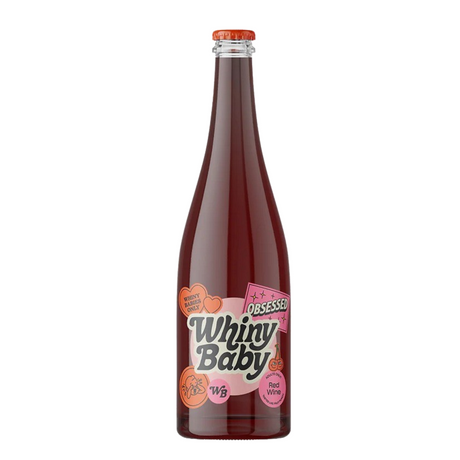
Look for a young, juicy, low-tannin red with ripe berry fruit and modest oak: Merlot, Grenache, Zinfandel, Garnacha blends, or an easygoing California red blend. Something like Whiny Baby Red Wine Obsessed, with its red cherry and berry fruit, is built for this job. It brings fruit without grip, so the spices have room to work. You can browse more options in our red blend collection.
Avoid heavily oaked, tannic, age-worthy Cabernets and Nebbiolo-style wines. Cooking a structured bottle with a long finish is a waste, because the oak and tannin turn drying and the nuance you paid for never shows up. Save those for the table. Also skip anything labeled sweet or spiced already, since you lose control of the balance.
The Spice Bag: What Goes In and What Stays Out
Use whole spices only. Ground spices turn the wine cloudy and gritty and are impossible to strain cleanly. Tie the spices in a square of cheesecloth, or use a large tea infuser, so you can pull them out on time.
For a four-bottle batch, my spice bag is:
- 6 cinnamon sticks, broken in half
- 12 whole cloves
- 4 star anise pods
- 6 allspice berries
- 4 green cardamom pods, lightly cracked
- 6 wide strips of orange peel, pith trimmed off
Cloves are the one to watch. They are strongly tannic and medicinal if left too long, so keep the total steep to about 60 to 90 minutes, then remove the bag. Cinnamon and orange peel can stay if you like, but the bag as a whole should go before the pot sits for hours. Nutmeg is better grated fresh over the mug than simmered.
Sweetener: Less Than You Think
Fruity reds already read as slightly sweet once warm, so start light. I use about 1 oz of sweetener per bottle, then adjust at the end. Demerara syrup (1:1 sugar and hot water) adds a gentle molasses note, honey adds floral weight, and maple syrup suits a more autumn-forward pot. Dissolve the sweetener in the wine before adding the spices, then taste after the steep. It is easy to add more and impossible to take out.
A splash of fresh orange juice, around 1 oz per bottle, adds acid that keeps the drink from tasting flat. Skip bottled juice with added sugar.
Fortification: Brandy or Port
Fortifying a pot of mulled wine brings back the alcohol you lose to gentle heat and adds a backbone. You have two sensible routes.
Brandy
Use about 1.5 oz of brandy per bottle, added at the end so it does not cook off. A straightforward VS-level brandy such as Christian Brother's VS Brandy is the right register: it adds warmth and a touch of dried fruit without pushing aside the spices. A VSOP works well too, but an XO is wasted in a mulling pot. Explore more in our cognac and brandy collection.
Port
Replace some of the sweetener with port for a richer, darker pot. About 2 oz of ruby or young tawny per bottle adds raisin and plum notes and rounds out the edges. A long-aged bottle like Graham's 20 Year Tawny is a sipping port that is better poured beside the finished mug than cooked into it, though a small float on top makes a lovely finish. Our port and fortified collection has more accessible styles for the pot itself.
Classic Red Mulled Wine and Slow-Cooker Math for 10 Guests
Plan on two 5 oz mugs per guest. For 10 guests, that is roughly 100 oz of finished drink, which is four 750 ml bottles (about 101 oz) before brandy and juice. A 6-quart slow cooker holds this comfortably.
Batch for 10 guests:
- 4 bottles (750 ml) fruity, low-tannin red wine
- 4 oz demerara syrup or honey
- 4 oz fresh orange juice
- 1 spice bag (recipe above)
- 6 oz VS brandy, added at the end
Method: Pour the wine, sweetener, and orange juice into the slow cooker. Set it to low and add the spice bag. Heat for 60 to 90 minutes until steaming, with the temperature around 140 to 160°F. Never let it boil, because boiling drives off alcohol and makes the wine taste cooked and flat. Remove the spice bag, stir in the brandy, taste, and switch to the warm setting. Garnish each mug with an orange wheel.
If you are scaling, the per-bottle rule is: 1 oz sweetener, 1 oz orange juice, 1.5 oz brandy, and one quarter of the spice bag. For a smaller group of four, one bottle plus one quarter of the bag in a saucepan on the lowest heat works.
White Wine Mulled Variant
A white version is lighter and brighter, and it suits guests who find red mulled wine heavy. Use a dry, aromatic white with real acidity: dry Riesling, Pinot Gris, or an unoaked Chenin Blanc. Avoid buttery oaked Chardonnay and anything very sweet.
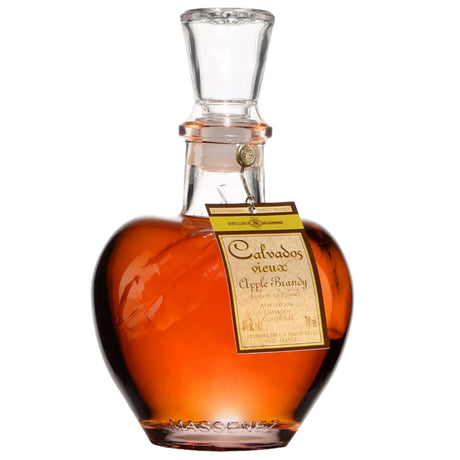
Per bottle: 1 bottle dry white wine, 1 oz honey, 2 oz fresh apple cider, 3 slices fresh ginger, 3 cardamom pods, 2 cinnamon sticks, 3 strips lemon peel, and 1 oz Calvados or other apple brandy added at the end. A bottle like Massenez Calvados Apple Pomme Prisonniere is unaged and clear, so it gives a fresh apple lift rather than oak. Heat gently for 45 minutes, since white wines lose their aromatics faster, then strain and serve with a thin apple slice.
Sparkling Warm Wine Cocktail
Do not heat sparkling wine. The bubbles disappear and the wine turns flat. Instead, make a warm spiced base and top it at the last moment.
Per mug: 3 oz of the warm white mulled base (strained), 1 oz Calvados or brandy, and 2 oz dry sparkling wine such as Prosecco, cava, or Crémant, poured gently down the side of a warmed glass. Finish with a lemon twist. Because the sparkling goes in last, it adds lift and freshness and keeps the drink from tasting heavy. It makes a good welcome drink for a Halloween gathering or the first course of a Thanksgiving table.
Serving, Holding, and How Long It Keeps
On the warm setting, a pot holds well for about three hours. After that, the fruit dulls and the alcohol keeps dropping. Ladle into pre-warmed mugs or heatproof glasses, and keep the spice bag out of the pot once the steep is done.
Leftovers keep. Strain out any spices and fruit, cool the wine, and refrigerate in a sealed bottle or jar for up to four days. Reheat gently on the stove or in a slow cooker, never in a microwave on high, and refresh with a small splash of brandy and a fresh orange peel. I do not recommend freezing mulled wine, as the texture and brightness suffer. As always, enjoy responsibly, and never drive after drinking.
Frequently Asked Questions
What is the best wine for mulled wine?
Choose a young, fruity, low-tannin red such as Merlot, Grenache, Zinfandel, or a soft red blend. Wines with heavy oak or strong tannins turn bitter when heated, so they are not worth the money for mulling.
Does mulled wine lose its alcohol when heated?
Some, yes, especially if it boils or simmers for a long time. Keep the pot at 140 to 160°F, never boiling, and add brandy or port at the end to restore strength and flavor.
How long does mulled wine keep?
Strained of spices and refrigerated in a sealed container, it keeps for up to four days. Reheat it gently and refresh it with a little brandy and a fresh orange peel before serving.
Can I make mulled wine in a slow cooker?
Yes. For 10 guests, combine four bottles of red wine with sweetener, orange juice, and a spice bag. Heat on low for 60 to 90 minutes, remove the spices, stir in brandy, then switch to warm for serving.
Shop Brandy and Wine at Liquor Geeks
Browse our full cognac and brandy collection to pick a fortifier for your pot. Shipping rules vary by state, so check our shipping eligibility page before ordering.
By Dorothy Ramos, Senior Tequila and Agave Spirits Writer at Liquor Geeks.