Figuring out how much liquor for a party is mostly arithmetic, and once you have the formula, stocking a holiday bar stops being guesswork. The core rule: plan on one drink per guest per hour, with a slightly heavier first hour. This guide gives you drinks-per-guest math, bottle counts for 20, 50 and 100 guests, the six bottles that cover most requests, notes on mixers and ice, and a signature holiday cocktail built from the same stock.
The Drinks-Per-Guest Math
Start with a simple baseline: two drinks per guest in the first hour, then one drink per guest for every hour after that. A four-hour party therefore works out to about five drinks per person. Adjust from there. A cocktail-forward crowd at a seated dinner drinks more slowly than guests at a standing open house, and a late-evening party drinks harder than an afternoon one.
Next, convert drinks to bottles. A standard 750 ml bottle of spirits holds about 17 ounces of usable pour at a 1.5 oz measure, which gives you roughly 16 to 17 drinks. A 750 ml bottle of wine pours five 5-oz glasses. A 1.75 L handle of spirits yields around 39 drinks. Always round up. Running short is a worse outcome than a few leftover bottles, and spirits keep.
Then split the total by what your crowd drinks. A good starting ratio for a mixed holiday crowd is 40% spirits-based drinks, 35% wine and sparkling, and 25% beer or non-alcoholic options. Skew toward wine for a dinner party and toward spirits for a cocktail party.
Bottle Counts for 20, 50 and 100 Guests
These numbers assume a four-hour party and the ratio above. Treat them as a floor, not a ceiling.
20 guests (about 100 drinks)
Plan on 3 to 4 bottles of spirits, 6 bottles of wine or sparkling, and a case of beer and non-alcoholic options. That covers roughly 40 spirit drinks, 35 wine pours and 25 other drinks.
50 guests (about 250 drinks)
Plan on 6 to 7 bottles of spirits (or two 1.75 L handles of your best-selling base spirits plus a few specialty bottles), 15 bottles of wine or sparkling, and two cases of beer and non-alcoholic drinks.
100 guests (about 500 drinks)
Plan on 12 to 14 bottles of spirits, with large formats for the workhorses, 30 bottles of wine or sparkling, and four to five cases of beer and non-alcoholic drinks. At this size, a batched punch or signature cocktail saves real time at the bar, which we cover below.
The Six Bottles That Cover Most Requests
You do not need a deep back bar. Six categories handle nearly every order: vodka, bourbon, tequila, a sparkling wine, a red wine and a white wine or a second sparkler. Add gin or rum if your crowd leans that way, but these six come first.
Vodka. It is the most-requested base at most parties, so buy the most of it. Tito's Handmade Vodka is a dependable corn-based pour that guests recognize, and Absolut Vodka is a clean wheat-based option at 40% ABV. If you are batching for a large crowd, Taaka 100 Proof Vodka is a value-tier option with extra backbone, which is useful in punches that get diluted by ice and juice.
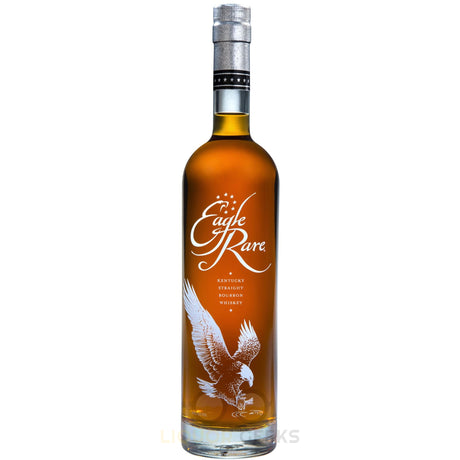
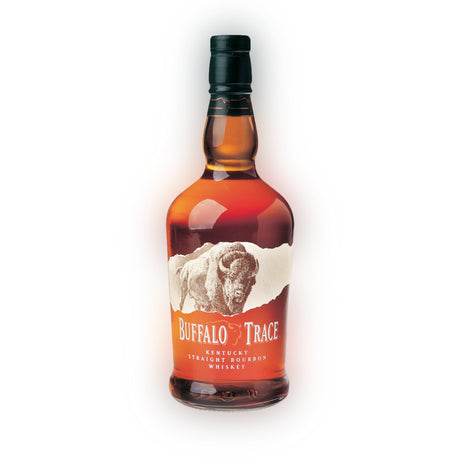
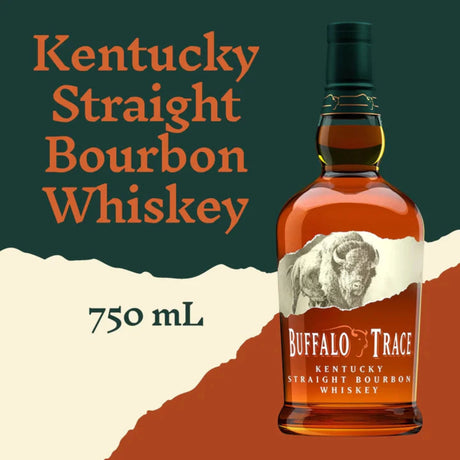
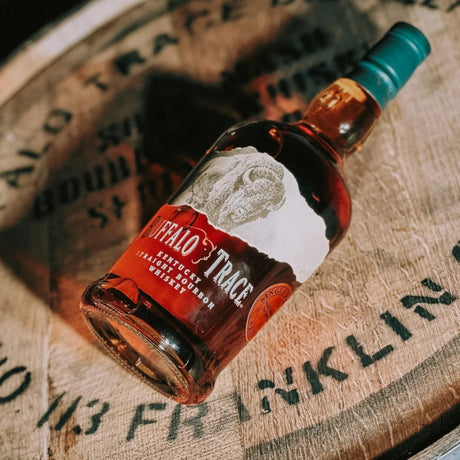
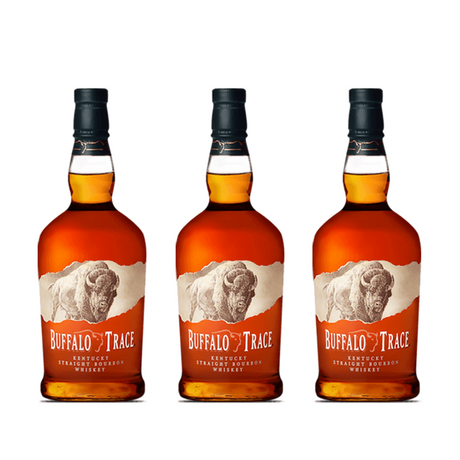
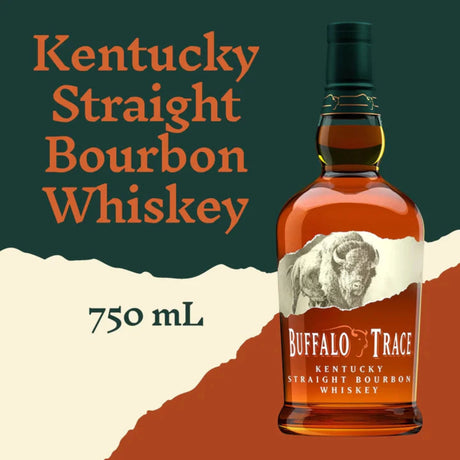
Bourbon. Buffalo Trace Bourbon works neat, on the rocks and in an Old Fashioned, which makes it the best all-purpose bottle for a party. Keep one special bottle like Eagle Rare 10 Year for the guests who sip.
Tequila. Choose a blanco for mixing and one aged bottle for sipping. Fortaleza Blanco is a traditional, small-batch blanco that holds up in a Paloma or a margarita.
Red wine. A big, crowd-pleasing Cabernet like Caymus Napa Valley Cabernet Sauvignon suits a holiday table.
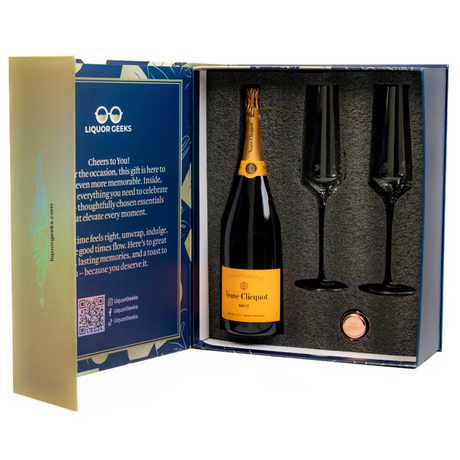
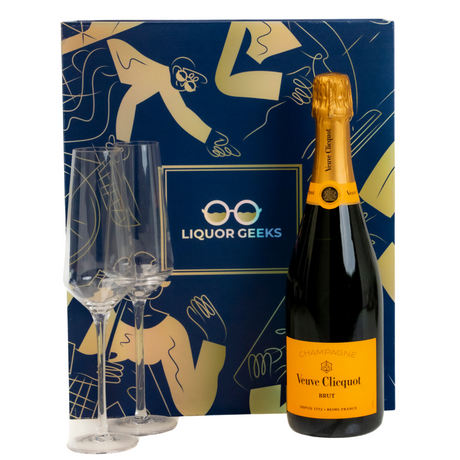
Sparkling. Veuve Clicquot Brut covers the midnight toast or the welcome pour, and it also anchors the cocktail below.
Mixers, Garnishes and Ice
Ice is the item hosts under-buy most often. Plan on 1 to 1.5 pounds of ice per guest for a four-hour party, and more if drinks are shaken or served over large cubes. Keep a separate cooler for ice that goes into drinks and ice that chills bottles, so guests never dig through wine bottles to find cubes.
For mixers, the practical list is short: club soda, tonic, ginger beer, cranberry juice, fresh lemon and lime juice, and a pitcher of simple syrup. Count on roughly one liter of soda or tonic for every four spirit drinks that will be built long. Ginger beer does the most work, since it turns vodka into a Moscow Mule, bourbon into a Kentucky Mule and tequila into a Mexican Mule without extra inventory.
Garnishes matter more than they cost. Buy lemons, limes, oranges, fresh cranberries and rosemary sprigs. Peel a few citrus twists ahead of time and keep them under a damp towel. Add a non-alcoholic option, such as sparkling cider or a shrub with soda, and give it as much visual care as the cocktails.
Building a Signature Holiday Cocktail From Your Stock
A single signature drink cuts your bar workload sharply and reduces the number of bottles you need. Build it from bottles already on the list. Here is a batchable bourbon cranberry sparkler, written to bar spec:
- 1.5 oz bourbon (such as Buffalo Trace)
- 0.75 oz fresh lemon juice
- 0.75 oz rich cinnamon-rosemary syrup (2:1 sugar to water)
- 1 oz cranberry juice, unsweetened
- Top with 2 oz dry sparkling wine
Shake the first four ingredients hard with ice for about 10 seconds, strain over fresh ice, and float the sparkling wine on top. Garnish with a rosemary sprig and three cranberries.
To batch for 50, multiply the base (everything except the sparkling wine) by 50: roughly 75 oz bourbon, 37.5 oz lemon juice, 37.5 oz syrup and 50 oz cranberry juice. Add about 15% water to account for the dilution you would get from shaking, chill it, and pour 4 oz of batch over ice before topping each glass. That is a one-step build that a guest can finish on their own.
Setting Up the Bar Flow
Place the bar away from the front door and the kitchen so guests do not bottleneck. For parties over 30, set up a second self-serve station for wine, beer and non-alcoholic drinks, so the cocktail station only serves cocktails. Put clear labels on batched drinks and note any common allergens.
Keep glassware simple: one rocks glass, one wine glass and a flute for sparkling. Plan one glass per guest per two hours, plus a margin, or use quality disposable options at larger gatherings. Provide water and food throughout, and make sure guests have safe ways to get home. This is a 21+ event, so check IDs on any plus-ones you do not know and never pressure anyone to drink.
Frequently Asked Questions
How many drinks should I plan per guest?
Plan on two drinks per guest in the first hour and one per hour afterward. For a four-hour party, that is about five drinks per person. Round up if guests will mostly drink cocktails or if the event runs late.
How many bottles of liquor do I need for 50 guests?
For a four-hour party with 50 guests, plan about 6 to 7 bottles of spirits, 15 bottles of wine or sparkling, and two cases of beer and non-alcoholic drinks. A signature cocktail lets you reduce the number of spirits you stock.
How much ice do I need?
Plan on 1 to 1.5 pounds of ice per guest for a four-hour party. Buy more if you are serving shaken drinks or chilling bottles in tubs, and keep a separate cooler for bottles so drink ice stays clean.
What are the most important bottles to stock?
Vodka, bourbon, tequila, a red wine, a white or sparkling wine and a champagne cover most requests. Buy the most vodka, since it is the most commonly ordered base spirit at a mixed party.
Shop Party Spirits at Liquor Geeks
Start with our vodka collection for your highest-volume bottles, then fill out the bar from our whiskey, tequila and wine collections. Shipping rules vary by state, so check our shipping eligibility page before ordering.
By Michelle Garcia, Cocktail & Mixology Editor at Liquor Geeks.