Finding the best blanco tequila is easier once you know what to look for: fully cooked agave, a clean fermentation, and a label that tells you who made it. This guide is a buying framework and a shortlist. We cover how blancos are made, what the NOM number and "additive-free" mean, how to taste one neat, and which of ten in-stock bottles suit sipping, margaritas or a Paloma. Holiday gifting season is here, and a good blanco is one of the easiest bottles to give.
What Makes a Good Blanco
A blanco is unaged or rested only briefly, so there is nowhere for a flaw to hide. Everything you taste comes from the agave and the process, and three decisions matter most.
The first is cooking. Agave piñas are roasted in brick ovens or autoclaves to convert starches to fermentable sugar. Slow, thorough cooking gives you sweet, rounded notes of baked agave. Rushed cooking can leave a raw, vegetal bite.
The second is extraction. A roller mill shreds the cooked agave and squeezes out the juice efficiently. A tahona is a large volcanic stone wheel that crushes the fiber, and fans often credit it with a deeper, earthier, mineral character. Neither method guarantees quality, but the difference is audible in the glass.
The third is distillation. Most quality blancos are distilled twice in copper or stainless stills. Producers decide how much of the distillate to keep, and a tighter cut generally means a cleaner finish.
Reading the Label: NOM and Additive-Free
Every legitimate bottle of tequila carries a NOM, the Norma Oficial Mexicana number that identifies the distillery where it was made. It is usually printed near the bottom of the label. Different brands can share one NOM because many distilleries produce for several labels, so the number tells you where a tequila came from, not whether it is good. It is still the quickest way to see which brands share a producer.
Look for "100% agave" on the label. Without it, the tequila is a mixto and up to 49 percent of the sugars can come from other sources.
"Additive-free" is a separate question. Under Mexican rules, producers may use small amounts of glycerin, caramel color, oak extract and sweetener without disclosing them. Some brands skip these and say so. Additive-free blancos tend to taste drier and more savory, with the pepper and citrus peel an additive can soften. Neither style is wrong, but you should know which you are buying.
How to Taste a Blanco Neat
Use a small tulip-shaped glass, such as a copita or a white wine glass. A rocks glass lets the alcohol vapor overwhelm everything else.
Pour about an ounce and look at the legs and clarity. Nose it from a few inches away with your mouth slightly open, then closer. You are looking for cooked agave, citrus peel, black pepper, mint, olive brine or wet stone.
Take a small first sip and let it coat your tongue before swallowing. Then add a few drops of water and taste again, because water often opens a higher-proof blanco. Notice the finish: does it fade cleanly, turn bitter, or leave a sweet agave echo?
Taste two or three bottles side by side and the differences become obvious in minutes. That is the most reliable way to find your own favorite.
Sipping-Grade Blancos
These are bottles to pour neat and take your time with.
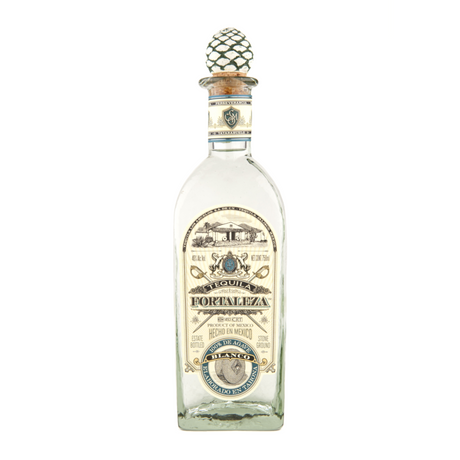
Fortaleza Blanco is the reference point for many tequila drinkers. It is made at the La Fortaleza hacienda in small batches, and it shows cooked agave with earthy, savory and citrus notes. Its stronger sibling, Fortaleza Blanco Still Strength, is bottled at distillation strength and rewards a drop of water.
Cierto Tequila Blanco Private Collection is made from estate-grown agave from the Jalisco highlands, and it leans toward the polished end of the style. G4 Blanco de Madera, made by Felipe Camarena at El Pandillo, is bottled at 90 proof and briefly rested in wood. It sits between a raw blanco and a reposado, which makes it a good pick for someone who wants a little roundness.
Best Blancos for Margaritas
A margarita is mostly tequila, so choose a blanco with enough backbone to stand up to lime and orange liqueur. Michelle Garcia's bar-spec ratio works well: 2 oz blanco, 1 oz fresh lime juice, 0.75 oz orange liqueur, shaken hard and strained over fresh ice.
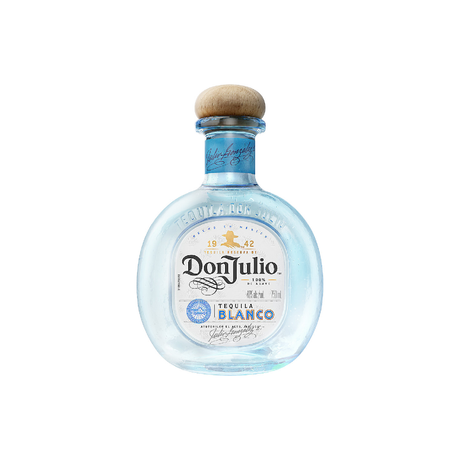
Don Julio Blanco is a dependable choice. It is distilled in copper-lined pot stills, and its lemon, lime and grapefruit notes sit naturally alongside the lime in the glass. It is also easy to find in a mid-shelf price tier, so it works for a party batch.
Casa Dragones Blanco is made in small batches and shows citrus, green apple and herbal notes. It is better in a simple, spirit-forward margarita with minimal sweetener, where the tequila stays in front. Clase Azul Plata fits the same purpose for anyone who prefers a softer, rounder profile.
Best Blancos for a Paloma and Highballs
A Paloma, tequila with grapefruit soda and lime over ice, is more forgiving than a margarita. The soda adds sweetness and bitterness, so you do not need a delicate sipper here. You want a clean, peppery blanco that cuts through grapefruit.
El Charro Silver is double distilled and goes into the bottle after a short rest instead of barrel maturation. It is an accessible option for a Paloma pitcher. Pueblo Viejo Blanco is another approachable choice, and it keeps a recognizable agave character through the soda.
For a Paloma, build in the glass: 2 oz blanco, 0.5 oz lime juice, a pinch of salt, topped with about 3 oz grapefruit soda. Stir once, gently, so the carbonation stays lively.
Everyday Mixers and Crowd-Pleasers
Not every bottle needs a tasting note. If you are hosting for Thanksgiving week or stocking a home bar for the holidays, an accessible 100% agave blanco is the smart anchor. Adictivo Plata and Volcan De Mi Tierra Blanco are both worth a look in this tier. Volcan blends lowland herbal and spicy notes with highland fruit, which gives it plenty of character in a mixed drink.
Reserve your more expensive bottles for neat pours and keep the everyday blanco for batch cocktails. Your guests will taste the difference where it counts.
The Ten Picks at a Glance
Everyday mixers: Adictivo Plata, Pueblo Viejo Blanco, El Charro Silver. Margarita and Paloma workhorses: Don Julio Blanco, Volcan De Mi Tierra Blanco. Sipping-grade: Fortaleza Blanco, Cierto Private Collection, G4 Blanco de Madera. Gift-ready: Casa Dragones Blanco and Clase Azul Plata, both of which come in presentation-worthy bottles that need no extra wrapping.
If you are choosing a gift, match the bottle to the recipient. Someone who drinks tequila neat will appreciate Fortaleza. A margarita host will use Don Julio Blanco immediately. For a first-time tequila gift, Casa Dragones makes a polished introduction.
Frequently Asked Questions
Is blanco tequila good for sipping?
Yes. A well-made blanco is often the most revealing way to taste tequila because there is no oak to mask the agave. Choose a 100% agave bottle, pour it in a tulip glass, and add a few drops of water if the proof is high.
What does additive-free tequila mean?
It means the producer has not used glycerin, caramel color, oak extract or sweeteners, which are permitted but often undisclosed. Additive-free blancos usually taste drier and more savory. Brands that make this claim typically state it on the label or website.
Which blanco is best for margaritas?
Pick a 100% agave blanco with bright citrus and some pepper, such as Don Julio Blanco. It holds its flavor against lime and orange liqueur without needing a premium sipping price tier. Save the most delicate bottles for drinking neat.
Shop Blanco Tequila at Liquor Geeks
Browse our full blanco tequila collection. Shipping rules vary by state — check our shipping eligibility page before ordering.
By Dorothy Ramos, Senior Tequila and Agave Spirits Writer at Liquor Geeks.