
The best bourbon for fall trades the bright, high-rye pours of summer for something rounder and warmer: wheated mash bills, higher proofs, and heavier barrel char that read better next to a fireplace than a porch swing. As the leaves turn and Thanksgiving prep starts creeping onto the calendar, your bar cart deserves an update too. Below are eight bottles organized from everyday pours to special-occasion releases, plus notes on how proof and char shape each one and whether it belongs in a glass neat, over a single big rock, or built into an Old Fashioned.
Why Bourbon Changes Character in Cooler Weather
Bourbon doesn't actually change in the bottle once it's bottled, but your palate does. Cold weather blunts some of the volatility that makes high-proof spirits taste sharp on a warm patio, which is why bourbons that feel hot in July often taste balanced in November. It's also the season when richer mash bills shine: wheated bourbons, which swap rye for winter wheat as the secondary grain, lean into caramel, baking spice, and dried fruit instead of black pepper and mint. That profile pairs naturally with sweater weather and with the cooking smells already filling the kitchen.
Barrel char matters just as much as mash bill. Distillers grade the inside of new American oak barrels on a char scale, and a deeper #4 "alligator" char pulls more vanillin and caramelized sugar out of the wood during aging, while a lighter #3 char leaves more raw oak tannin and spice. Fall pours tend to favor the deeper-char, longer-aged end of that spectrum.
Wheated Bourbons Built for Cooler Nights
Wheated bourbon is the easiest style to point at when someone asks for a fall recommendation. W.L. Weller Special Reserve is the entry point: bottled at 90 proof, it's soft enough for a weeknight pour without giving up the caramel-forward sweetness that defines the Weller line. Step up to Mary Dowling Straight Bourbon Winter Wheat Whiskey, aged more than four years in #3 charred American oak using Kentucky-grown winter wheat, and you get more toasted-wood depth without losing the wheated smoothness. Both work neat or over a single large-format ice cube, which melts slowly enough to open the whiskey up without drowning it.
How Proof Changes the Fall Pour
Proof determines how much dilution a bourbon can handle before it goes thin. A 90-proof bottle is already close to its ideal drinking strength, so a splash of water or one modest rock is usually enough. Higher-proof releases are a different conversation. W.L. Weller Antique, bottled at 107 proof, was built to absorb a bigger rock or a few drops of water and still hold its shape, revealing baking-spice and stewed-fruit notes that stay buried at lower proof. That's the kind of bottle worth opening once the temperature drops and you have time to actually sit with a glass.
Neat, On a Rock, or Built Into an Old Fashioned
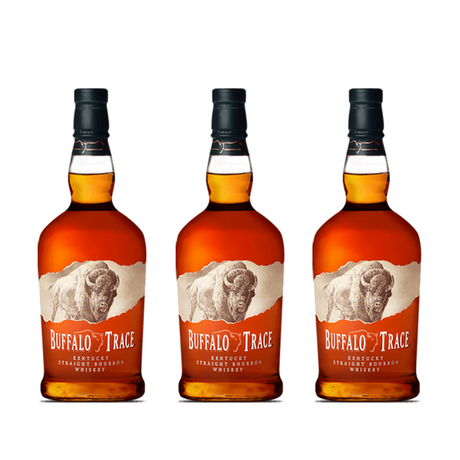
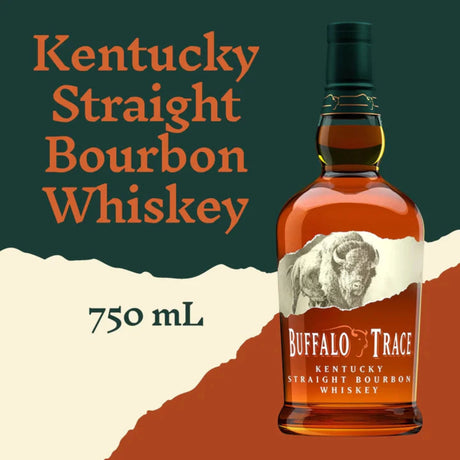
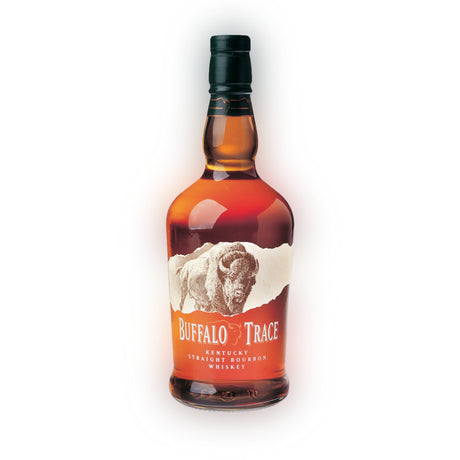
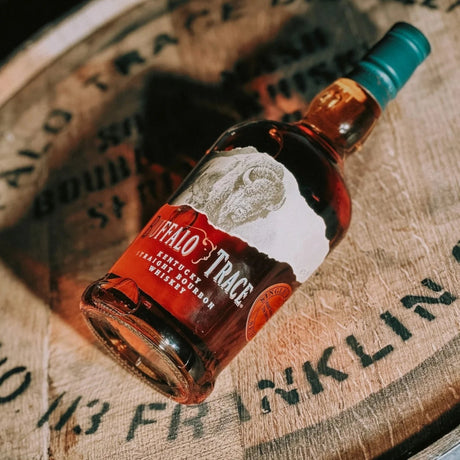
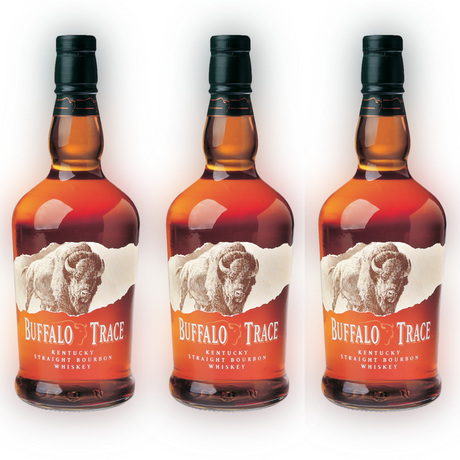
How you drink a fall bourbon should track its proof and age. Lighter, younger wheaters do fine neat or with a splash of water. Higher-proof and older expressions reward a single large rock, which chills and dilutes slowly instead of flash-diluting like crushed ice. If you'd rather build a cocktail, the classic Old Fashioned is the fall drink for a reason: two ounces of bourbon, a sugar cube or bar spoon of simple syrup, two dashes of Angostura bitters, and an orange peel, stirred over ice. For a faster route to the same idea, Handy & Schiller Triple Oaked Old Fashioned is a bottled, barrel-aged version built on Buffalo Trace Bourbon and finished with Peychaud's Bitters, ready to pour over ice with no mixing required. If you want a lower-proof, dessert-leaning riff for the season, Evan Williams Spiced Cider combines bourbon with apple cider liqueur and spice for a warm sipper that doubles as a mixer for a simple hot toddy.
Everyday Fall Pours
Not every fall bottle needs to be a special occasion. For regular rotation, Weller Special Reserve and Michter's US*1 Small Batch Bourbon both deliver consistent, approachable pours without asking you to save the bottle for guests. Michter's leans slightly drier and oakier than the Weller line, which makes it a good contrast bottle to keep next to a wheater so you can compare mash bill influence side by side.
Mid-Shelf Bottles Worth the Upgrade
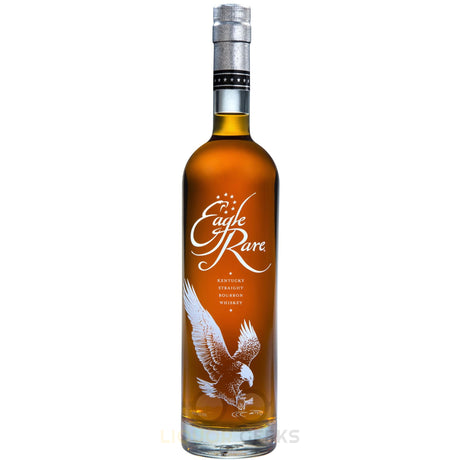
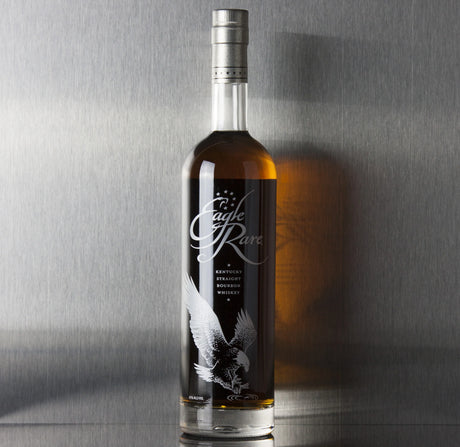
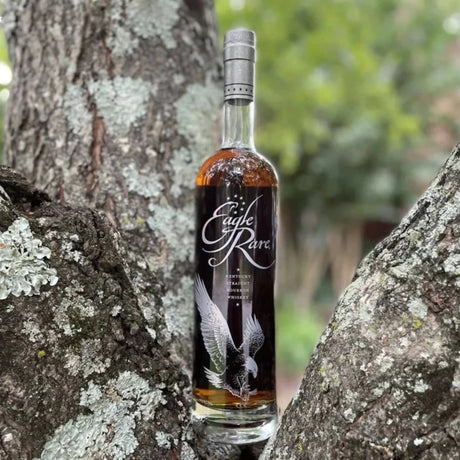
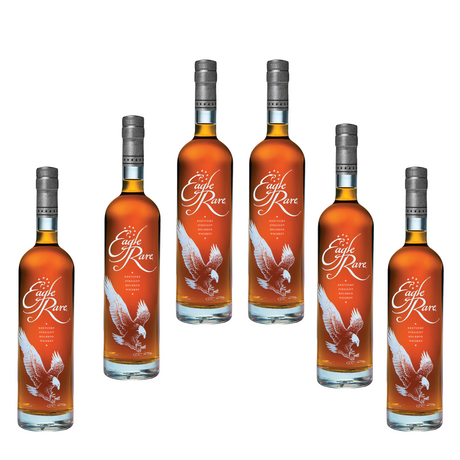
When you're ready to spend a little more attention, if not necessarily more money, on a pour, Eagle Rare 10 Year is the benchmark age-stated bourbon for the season. A full decade in the barrel brings out leather and dried cherry notes that read as distinctly autumnal, and 90 proof keeps it easy to drink neat. Mary Dowling Winter Wheat also sits comfortably in this tier for anyone who wants a wheated profile with more structure than the entry-level Weller.
Special-Occasion and Collector-Tier Picks
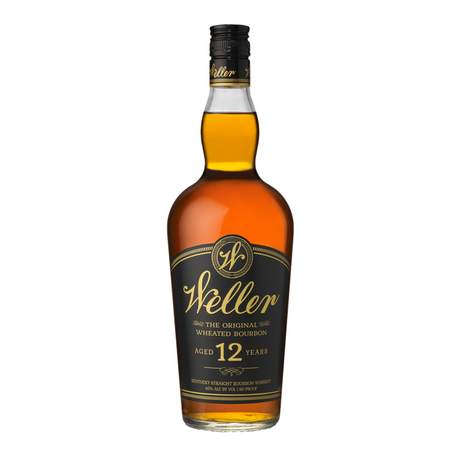
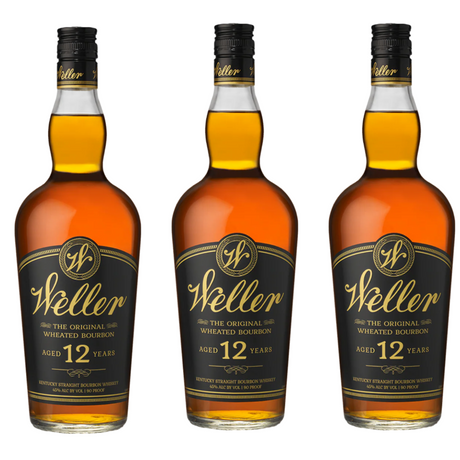
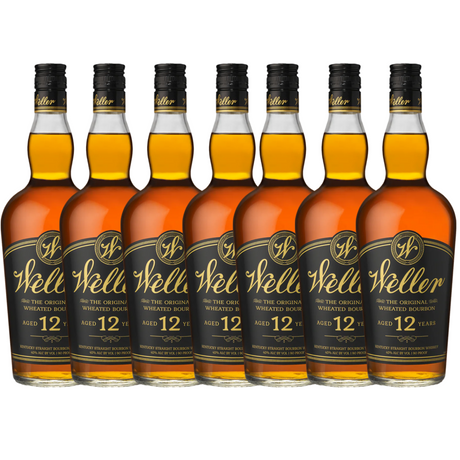
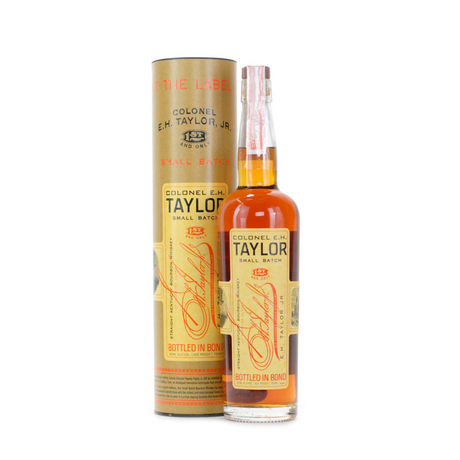
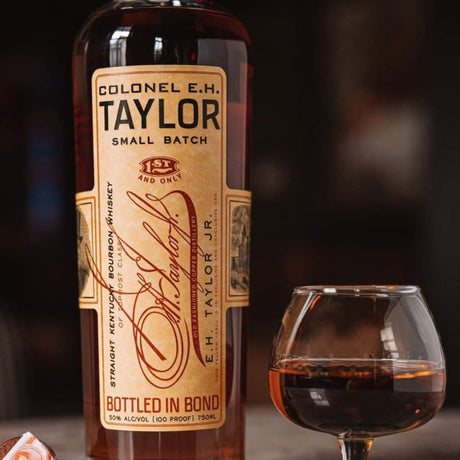
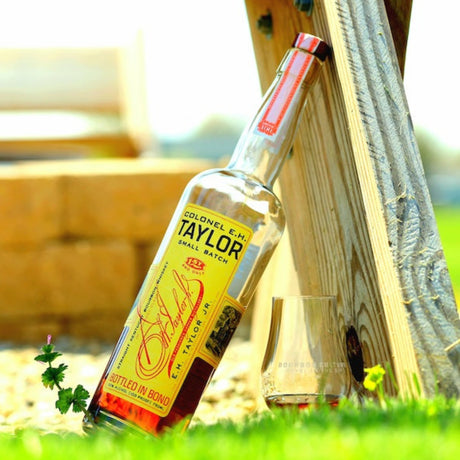
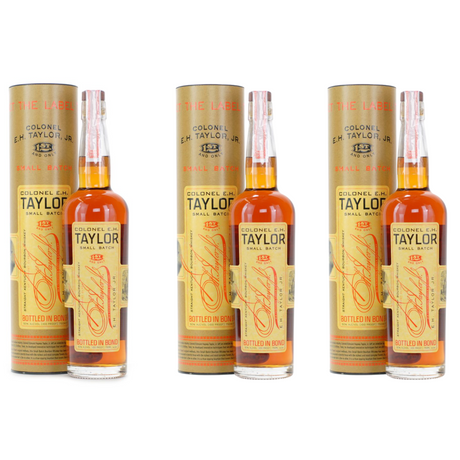
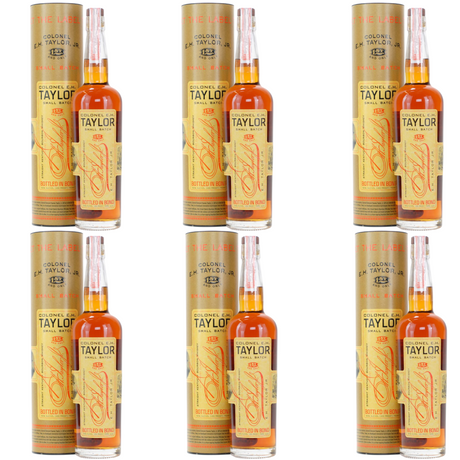
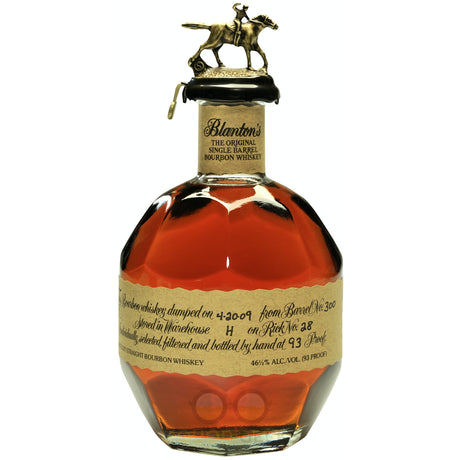
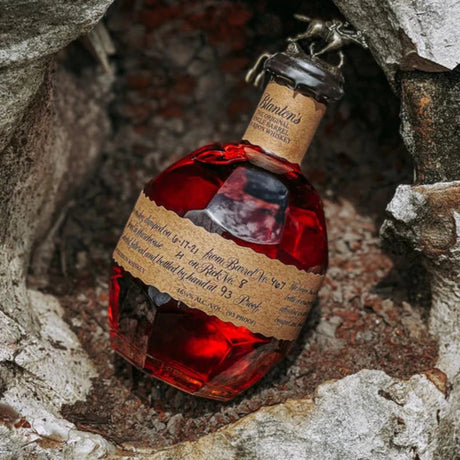
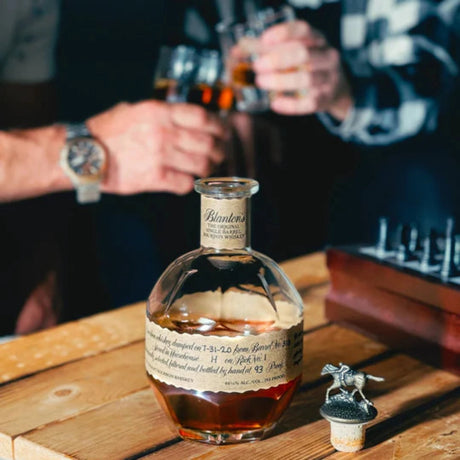
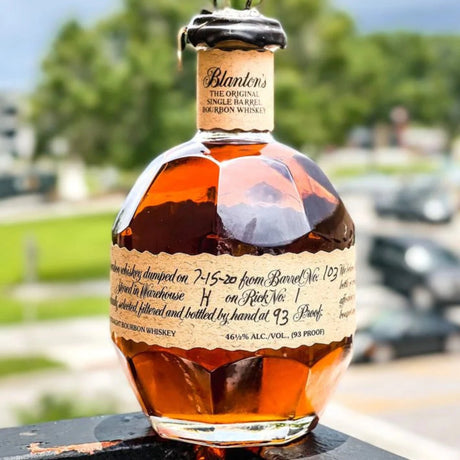
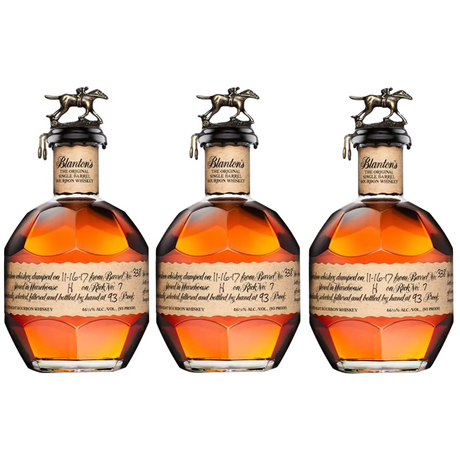
For the nights that call for something more deliberate, W.L. Weller 12 Year extends the wheated profile with a longer maturation that adds noticeable complexity without losing the house smoothness. Colonel E.H. Taylor Small Batch, bottled in bond and distilled at the historic Buffalo Trace site, brings a firmer, more traditional rye-forward backbone that contrasts nicely with the wheaters above it. And if you're pouring for a collector or just want the bottle with the most name recognition on the table, Blanton's Single Barrel, drawn from Buffalo Trace's Warehouse H and credited as the first commercially marketed single-barrel bourbon, remains the standard reference pour for the category. Allocation on Blanton's stays tight year-round, so treat it as a special-occasion bottle rather than a weeknight staple.
Don't Sleep on Rye for the Rotation
Bourbon gets most of the fall attention, but a spicier rye earns its place on the same shelf, especially for building an Old Fashioned with more bite. If you want to compare mash bills side by side, browse the full rye whiskey collection alongside your bourbon picks before deciding what to pour this season.
Frequently Asked Questions
What makes a bourbon good for fall specifically?
Cooler temperatures make higher-proof and richer, wheated bourbons easier to appreciate neat, since cold weather dulls some of the alcohol heat that feels sharper in summer. Deeper barrel char and longer aging also add caramel and baking-spice notes that pair naturally with the season.
Is wheated bourbon better than rye-forward bourbon for fall?
Neither is objectively better; they're different profiles. Wheated bourbons emphasize caramel and soft sweetness, while rye-forward bottles bring spice and bite. Fall is a good time to keep both in rotation, using wheaters for neat sipping and rye-forward bourbons for cocktails.
Should I add water or ice to a higher-proof bourbon?
It depends on the bottle. A 90-proof bourbon usually needs little dilution. Barrel-proof or high-proof releases can handle a single large rock or a few drops of water, which slows dilution and opens up flavors that stay muted at full strength.
What's the difference between neat, on the rocks, and an Old Fashioned?
Neat means the bourbon is poured with nothing added, ideal for sipping and evaluating a specific bottle's character. On the rocks adds ice for chilling and gradual dilution. An Old Fashioned is a built cocktail with sugar and bitters that adds sweetness and aromatic lift.
Is Blanton's worth the search for a fall gathering?
Blanton's Single Barrel is a well-regarded, historically significant single-barrel bourbon, but it's allocated and not always easy to find. It's worth seeking out for a special occasion; for regular fall entertaining, an age-stated or wheated bottle delivers similar seasonal richness with more reliable availability.
Shop Bourbon Whiskey at Liquor Geeks
Browse our full bourbon whiskey collection for more fall pours, from everyday wheaters to allocated single barrels. Shipping rules vary by state — check our shipping eligibility page before ordering.