The best coffee cocktails for fall share one trait: they use coffee as a real ingredient, not a flavor afterthought. As temperatures drop into the Halloween stretch and Thanksgiving planning begins, six drinks are worth keeping in rotation: the Espresso Martini, Irish Coffee, Carajillo, White Russian, Coffee Old Fashioned, and a batchable cold-brew punch. Below are bar-spec builds, a breakdown of coffee liqueur styles, and a practical method for brewing and sweetening for a crowd.
Know Your Coffee Liqueur Styles First
Coffee liqueurs are not interchangeable, and the style you pick changes the drink more than most recipes admit. There are four broad camps worth knowing.
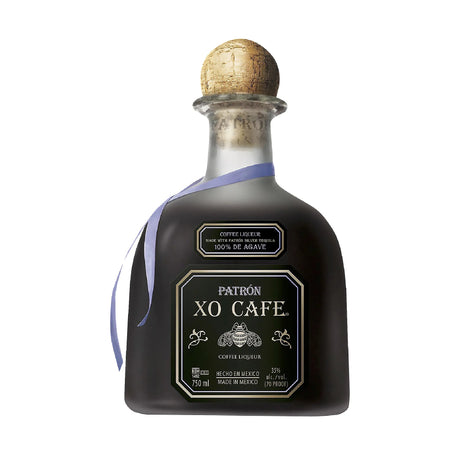
The classic sweet style is Kahlua Coffee Liqueur The Original, the benchmark for White Russians and a reliable, rounded sweetness. The espresso-forward style, like Faretti Espresso Liqueur (25% ABV, built on Ethiopian Yirgacheffe beans), tastes more like brewed coffee and less like syrup. The drier, stronger style is represented by Patron XO Cafe, which sits on a tequila base. And there is the low-sugar route: Above Board Coffee Liqueur is a zero-sugar bottling at 20% ABV, which lets you control sweetness yourself.
A rule I use at the bar: the sweeter the liqueur, the less simple syrup or added sugar you put anywhere else in the drink. Browse the full range in our coffee liqueur collection.
Espresso Martini: Foam Is a Technique, Not a Luck Factor
The Espresso Martini lives or dies on temperature and dilution. Build it like this:
2 oz vodka, 1 oz fresh espresso (hot, brewed within a minute or two), 0.75 oz coffee liqueur, 0.25 oz simple syrup if your liqueur is on the drier side. Add everything to a shaker with a full scoop of hard ice and shake hard for 12 to 15 seconds. Double strain into a chilled coupe. The hot espresso hitting ice is what creates the dense crema-style foam.
For the base, a clean, neutral vodka is the point. Tito's Handmade Vodka is a corn-based option with a soft finish, while Absolut Vodka is a wheat-based Swedish vodka with a slightly crisper edge. Both let the coffee lead. Explore more in the vodka collection.
Irish Coffee and Why the Whiskey Choice Matters
Irish Coffee is the most forgiving cold-night drink on the list, but the spec still matters. Preheat a stemmed glass with hot water and discard it. Add 1.5 oz Irish whiskey, 1 tsp to 2 tsp demerara syrup (or one packed teaspoon of brown sugar dissolved in the whiskey), and 4 to 5 oz hot brewed coffee. Float lightly whipped, unsweetened cream over the back of a spoon. Do not stir after the cream goes on; you drink the coffee through the cream.
For a reliable blended base, Jameson Blended Irish Whiskey and Tullamore D.E.W. are triple-distilled, vanilla-leaning blends that sit comfortably under hot coffee. If you want more spice and texture, Redbreast 12 Year is a single pot still whiskey that adds a toasted, nutty weight, though it is a pricier pour than you need for a big batch. Find more in the Irish whiskey collection.
Carajillo: The Two-Ingredient Showpiece
The Carajillo is a Spanish-origin drink that became a staple in Mexico, and its appeal is that it takes under a minute. Fill a rocks glass with ice, add 1.5 oz Licor 43 (a vanilla and citrus liqueur), then pour 1.5 oz hot espresso over the top. Some bartenders shake it for a frothy finish and strain over fresh ice; both versions work.
If you cannot find Licor 43, you can approximate the profile with a vanilla-forward liqueur, though the citrus note will be missing. A twist is to swap in a coffee liqueur and finish with an orange peel expressed over the surface. In that case, Kapali Coffee Liqueur, a Mexican-made bottling with a robust coffee character, is a natural fit. The principle is the same: hot espresso against a cold, sweet component gives you contrast in temperature and flavor.
White Russian: Ratios That Keep It from Going Flat
The White Russian gets dismissed as a dorm-room drink, but a tight ratio fixes that. Use 2 oz vodka, 1 oz coffee liqueur, and 1 oz heavy cream or half-and-half in a rocks glass over a large cube. Add the vodka and liqueur over ice, stir briefly, then float the cream.
Cream matters. Half-and-half gives a lighter, more drinkable result; heavy cream is richer and better suited for a slow sipper. For a seasonal twist, replace the cream with 1 oz of Rum Chata, a Wisconsin-made rum cream liqueur at 13.75% ABV with cinnamon and vanilla. It turns the drink into something closer to a cinnamon latte, and you may want to cut the coffee liqueur to 0.75 oz to keep sweetness in check.
Coffee Old Fashioned: Spirit-Forward and Dry
This is the drink for people who think coffee cocktails are too sweet. Stir 2 oz of aged rum or bourbon with 0.5 oz coffee liqueur and 2 dashes of aromatic bitters over ice for about 25 seconds. Strain over a large cube and express an orange peel over the top.
For a rum-led version, Grind Double Espresso Rum is a Caribbean rum infused with medium-roasted Colombian Arabica espresso. It delivers actual coffee flavor, so you can often skip the liqueur and use 2 oz of it with a bar spoon of rich demerara syrup and bitters. The result is dry, roasty, and well suited to a cold evening.
The Batchable Cold-Brew Punch for a Crowd
For Thanksgiving prep or a Halloween party, a punch saves you from shaking drinks all night. This scales to roughly 12 servings:
16 oz cold-brew concentrate, 12 oz vodka, 8 oz coffee liqueur, 6 oz oat milk or half-and-half, 4 oz demerara syrup (1:1), and 8 oz of cold water for dilution. Combine in a pitcher, chill for at least two hours, and serve over large ice with grated nutmeg. Hold the dairy back and add it per glass if the punch will sit for more than a few hours.
A higher-proof vodka such as Taaka 100 Proof Vodka holds up well in batches, since the extra alcohol compensates for dilution from melting ice. If you use it, trim the vodka to 10 oz and keep the water.
How to Brew and Sweeten for a Crowd
Cold brew is the most practical option for batching. Use a ratio of about 1 part coarse-ground coffee to 4 parts cold water by volume for a concentrate, steep 12 to 16 hours in the fridge, and strain through a paper filter. Concentrate keeps for roughly a week refrigerated and holds its flavor under ice far better than regular hot coffee.
For espresso-based drinks, a moka pot or AeroPress produces a strong enough shot for a party without a machine. Brew it right before shaking so the heat creates foam.
For sweetening, make a 1:1 demerara syrup (equal parts sugar and hot water by volume) and add it in 0.25 oz increments. Taste the finished drink before adding more; different coffee liqueurs vary enormously in sweetness. Keep the syrup simple, since the roast and the liqueur carry the flavor.
Frequently Asked Questions
What is the best vodka for an Espresso Martini?
Choose a clean, neutral vodka with a smooth finish, since the espresso and coffee liqueur supply the flavor. Corn-based and wheat-based vodkas both work. Avoid heavily flavored or harsh bottles, because they compete with the coffee rather than support it.
Can I make coffee cocktails with decaf?
Yes. Decaf espresso and cold brew work in every recipe here, and you keep the flavor and the foam. Note that coffee liqueurs contain some caffeine unless labeled otherwise, so check the bottle if caffeine is a concern.
How far ahead can I batch a cold-brew punch?
You can mix the coffee, spirits, and syrup a day ahead and refrigerate. Add dairy and ice just before serving so it stays fresh and the drink does not get watered down. Discard any punch with dairy that has been out for several hours.
Which coffee liqueur is least sweet?
Zero-sugar and tequila-based styles run the driest. Above Board is a zero-sugar option, and Patron XO Cafe is notably drier than standard coffee liqueurs. Either lets you dial sweetness up with syrup instead of working around a sugary base.
Shop Coffee Liqueur at Liquor Geeks
Browse our full coffee liqueur collection or start with the Kahlua collection for the classics. Shipping rules vary by state — check our shipping eligibility page before ordering. Please enjoy responsibly; 21+ only.
By Michelle Garcia, Cocktail & Mixology Editor at Liquor Geeks.