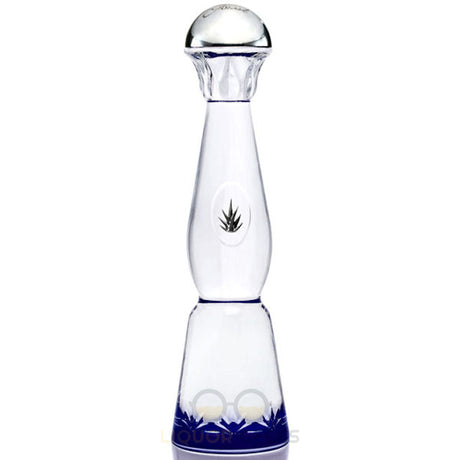

Clase Azul mezcal is the quieter, more terroir-driven sibling to the brand's famous hand-painted tequila decanters, and it deserves its own conversation. While the Plata, Gold, and Añejo tequilas draw from blue Weber agave grown in and around Jalisco, the mezcal line pulls from wild and semi-wild agave varieties harvested in entirely different Mexican states, each bottled under its own regional identity. If you've only known Clase Azul through the ceramic tequila vessels on a back bar, the mezcal expressions are where the brand's agave sourcing gets genuinely interesting.
Same Decanters, Different Agave Story
Clase Azul built its reputation on hand-painted, talavera-style ceramic bottles, and that visual identity carries over into the mezcal line. But the similarities mostly stop at the packaging. Tequila must legally be distilled from Agave tequilana, commonly called blue Weber agave, grown within a defined denomination of origin centered on Jalisco. Mezcal has no such single-varietal requirement. It can be made from dozens of agave species, many of them wild-harvested rather than cultivated, and each one changes the character of the finished spirit.
The Clase Azul Añejo Tequila and its siblings, the Clase Azul Gold Tequila and Clase Azul Plata Tequila, all share that single-agave, single-region foundation. The mezcal releases don't. That's the first thing to understand before you decide which bottle belongs on your shelf.
The Agave Varieties Behind Each Bottle
This is where Clase Azul mezcal earns its place in a serious agave-spirits collection. Each expression is tied to a specific agave variety and a specific region, and the brand names both directly on the label rather than folding everything into one generic "mezcal" category.
The Clase Azul Mezcal Durango Joven is built around Cenizo agave, a variety associated with the northern state of Durango that tends toward a drier, more mineral profile than the agave grown further south. The Clase Azul Mezcal Joven Papalote Guerrero uses Papalote agave native to the mountain ranges of southeastern Mexico, a variety not commonly seen outside small-batch, palenque-level production. And the Clase Azul Mezcal Joven San Luis Potosí comes from the desert slopes of San Luis Potosí, produced at Productos Finos de Agave in the Los Altos highlands.
Three bottles, three agave varieties, three distinct growing regions. That's not a marketing footnote — it's the entire reason to buy mezcal instead of reaching for another tequila decanter.
How Mezcal Production Actually Differs
Tequila production, even at the artisanal end, is standardized: steam ovens or autoclaves cook the agave piñas, and most large producers use column or hybrid stills. Traditional mezcal production, by contrast, typically roasts the agave hearts in earthen, rock-lined pits, often over wood and volcanic stone, which is where the familiar smoky character comes from. Fermentation frequently relies on ambient wild yeast rather than a cultivated strain, and distillation often happens in small copper or clay pot stills.
None of this is guaranteed uniformly across every mezcal on the market, and production details vary by producer, but the underlying philosophy is different from tequila's more industrialized norm. If you care about additive-free spirits and want the agave and the earth it grew in to show up clearly in the glass, mezcal made this way delivers that more consistently than most tequila.
What NOM Numbers Tell You (and Don't)
Tequila drinkers often check the NOM number on the label to identify which distillery actually produced the liquid, since many brands are made at shared facilities. Mezcal uses its own regulatory framework under Mexico's official standard for the category, and reputable producers list the specific palenque or production site. Clase Azul's mezcal labeling leans into this by naming the exact region and agave variety rather than hiding behind a single corporate distillery code — worth appreciating if you've ever been frustrated trying to trace who actually made a tequila you liked.
When to Buy Mezcal Over Tequila at This Price Tier
Clase Azul's tequila and mezcal lines occupy a similar premium-to-collector price tier, so the decision usually isn't budget — it's occasion and palate. Reach for the tequila decanters when you want the brand's signature smoothness and a familiar agave-forward profile that plays well with a wide range of guests, including people who find mezcal's smoke intense. Reach for the mezcal when the goal is conversation and exploration: a dinner party where guests are curious about regional Mexican spirits, a gift for someone who already owns the tequila and wants something they haven't tasted, or your own collection if you're chasing agave varieties you can't get anywhere else.
Because each mezcal expression is a limited, region-specific bottling rather than an ongoing flagship product, availability moves faster than the core tequila lineup. If a particular agave variety or region interests you, it's worth buying when you see it rather than assuming it'll be there next season.
Tasting and Serving Clase Azul Mezcal
Serve mezcal the way you'd serve a well-made añejo tequila you actually want to taste: neat, in a small tulip glass or a copita, at room temperature. Ice mutes the aromatics that make each agave variety distinct, which defeats the point of buying a single-region bottling in the first place. Give it a few minutes in the glass before your first sip — the smoke and vegetal notes open up as it warms, and that's when the differences between the Cenizo, Papalote, and San Luis Potosí agave really separate from each other.
If you want to use it in a cocktail, keep the format simple. A mezcal Negroni or a basic mezcal-and-tonic won't bury the agave character the way a sweeter, citrus-heavy cocktail can. But for a bottle at this level, neat pours remain the best way to actually evaluate what you paid for.
For readers coming from our earlier coverage of the tequila decanters, the mezcal side of Clase Azul rewards the same collector mindset — just applied to agave variety and region instead of barrel aging.
Frequently Asked Questions
Is Clase Azul mezcal made from the same agave as their tequila?
No. Clase Azul tequila is legally required to use blue Weber agave from the Jalisco region. The mezcal line uses different agave varieties, including Cenizo, Papalote, and others sourced from states like Durango, Guerrero, and San Luis Potosí.
Does Clase Azul mezcal taste smoky?
Most traditionally produced mezcal carries some smoke from earthen-pit roasting, though intensity varies by producer and agave variety. Expect a more vegetal, earthy, and mineral-driven profile compared to tequila, with smoke as one layer rather than the dominant note.
Which Clase Azul mezcal should I buy first?
There's no wrong entry point since all three are joven (unaged) expressions built around a single agave variety. If you want the most distinct regional profile, the Durango Joven's Cenizo agave offers a noticeably different character than the more commonly seen espadín-based mezcals.
Can I mix Clase Azul mezcal in cocktails?
You can, but a bottle built around a specific wild agave variety is best appreciated neat, at least for your first pour. If you do mix it, choose simple, spirit-forward formats so the agave character isn't lost.
Why does availability vary so much between the mezcal expressions?
Each bottling ties to a specific harvest, region, and agave variety rather than a standing flagship product, so inventory is naturally more limited than Clase Azul's core tequila lineup.
Shop Mezcal at Liquor Geeks
Browse our full Clase Azul Mezcal Durango Joven listing along with the other regional expressions above, and check our shipping eligibility page before ordering, since mezcal and tequila shipping rules vary by state.