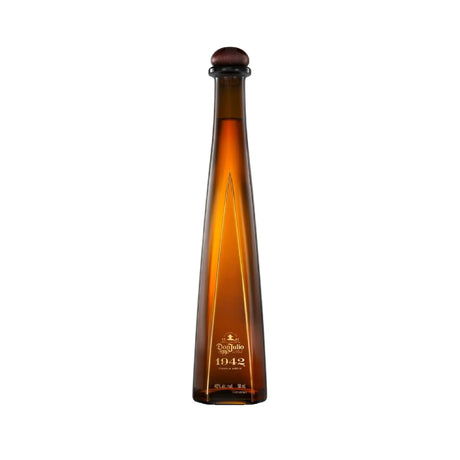
Cocktailing Don Julio 1942 is a real debate
The argument in most bars runs one of two ways: either 1942 is a sipping bottle and should never touch a cocktail, or the recipient of a $200 bottle should drink it however they want. As a bartender, I land in the middle — 1942 works in a small number of cocktails that respect the spirit. Anything with more than three ingredients or any heavy modifier (triple sec, cream of coconut, fruit purée) will bury the extra-añejo character and waste the pour. The three recipes below are the ones that actually let the 1942 speak. All are bar-spec: measured, technique-specific, and scaled for one drink.
Why these three recipes and not a margarita?
A classic margarita is a blanco cocktail. Lime juice and triple sec bulldoze oak character — that is the whole reason most bartenders default to blanco for margs. When a guest asks for a 1942 margarita at the bar, we usually recommend a split: 1 oz Don Julio 1942 and 1 oz Don Julio Reposado, so the 1942 serves more as perfume than as the structural pour. If you are committing a full 2 oz of 1942 to a cocktail, the format should highlight the añejo profile, not fight it. That means cocktails built around oak, smoke, or dark-honey modifiers.
The 1942 Paloma (spec)
A Paloma is traditionally blanco-based, but a reposado or añejo Paloma is a legitimate variation — grapefruit is more forgiving of oak than lime is. Spec:
- 2 oz Don Julio 1942
- 0.75 oz fresh lime juice
- 0.5 oz simple syrup (1:1)
- 3 oz fresh grapefruit soda (Jarritos Toronja or Topo Chico Grapefruit; avoid the diet versions)
- Pinch of flaky sea salt
- Grapefruit twist, expressed over the drink
Method: build in a chilled Collins glass over one long ice spear (or three cubes). Add lime, simple, 1942; stir briefly to combine. Top with grapefruit soda — do not stir aggressively after, you lose the carbonation. Pinch the salt on top. Express the grapefruit peel across the drink and drop it in.
Why the spec works: the small simple and the flaky salt balance the grapefruit bitterness and extend the 1942's caramel backbone. Lime stays subtle. The drink drinks long and slow, which is appropriate for a bottle this expensive.
The Añejo Old Fashioned with 1942
This is the cocktail I make when I want the 1942 bottle to work hardest. Spec:
- 2 oz Don Julio 1942
- 0.25 oz agave nectar (mix 1:1 with warm water before use to loosen the viscosity)
- 2 dashes orange bitters
- 1 dash Angostura
- Orange peel, expressed
Method: add agave, both bitters, and tequila to a mixing glass filled with ice. Stir for 20–25 seconds — long enough to dilute and chill, short enough not to wash out the finish. Strain over one large rock in a rocks glass. Express the orange peel across the surface of the drink, rub the peel around the rim, drop it in.
Why the spec works: a traditional Old Fashioned uses sugar and water — agave nectar is a native substitution that reinforces the tequila's base sugar. The bitters split (orange + Angostura) brightens the añejo without adding fruit sweetness. This drink is the closest cocktail cousin to drinking 1942 neat.
The 1942 Smoke and Honey (Penicillin-style variant)
Sam Ross's Penicillin is a modern classic built on blended scotch, honey-ginger syrup, and a mezcal or Islay scotch float. It adapts to tequila surprisingly well, and 1942's dessert profile handles the ginger and honey cleanly. Spec:
- 2 oz Don Julio 1942
- 0.75 oz fresh lemon juice
- 0.75 oz honey-ginger syrup (recipe below)
- 0.25 oz mezcal float (Del Maguey Vida or comparable espadín)
Honey-ginger syrup: 1 cup honey, 1 cup water, 6 one-inch slices fresh ginger. Bring to a simmer, hold at simmer for 5 minutes, remove from heat, steep 30 minutes, strain. Keeps refrigerated for 2 weeks.
Method: combine 1942, lemon, and honey-ginger syrup in a shaker with ice. Shake hard for 10–12 seconds. Double-strain into a rocks glass over one large rock. Gently float the mezcal on top by pouring over the back of a bar spoon.
Why the spec works: the 1942's caramel-honey profile reads as a natural base for the Penicillin's honey-ginger scaffolding. The mezcal float adds smoke without letting the agave-smoke character overwhelm the añejo sweetness. This cocktail surprises guests who think of 1942 as sipping-only.
What NOT to make with 1942
A short list of cocktails where 1942 is wasted:
- Standard margarita with triple sec — the triple sec flattens the oak.
- Tequila Sunrise — grenadine + orange juice buries everything.
- Tequila soda — the añejo character is lost without an acid or sweetener bridge.
- Any blended frozen drink — shearing ice and high dilution wreck premium spirit.
If you are making any of those, reach for a Don Julio Blanco or Reposado instead. See the Don Julio collection for the core range.
Glassware and ice actually matter here
At 1942 prices, use the right tools. For the Paloma, a chilled Collins with a single long spear or sphere — mass of ice matters more than surface area. For the Old Fashioned and Penicillin variant, a heavy rocks glass and a 2-inch cube or sphere. Crushed ice and standard tray cubes over-dilute and blunt the finish. Our glassware collection has the working set.
A word on cost per cocktail
A 2 oz 1942 pour is roughly $14–$16 at retail bottle cost. For context, that is roughly what a premium cocktail costs at a hotel bar. If you cannot bring yourself to pour 1942 into a shaker, you are not wrong — a 750ml bottle has roughly 12 cocktails' worth of juice, and at that ratio the sipping math can win. If you are serving a small group (2–4 guests) and want to make a statement, a single round of one of these recipes is genuinely memorable.
FAQs
Is it a waste to use Don Julio 1942 in cocktails?
Only if the cocktail buries the tequila. Paloma, Old Fashioned, and Penicillin-style builds respect the extra-añejo character. Margaritas and sweet-forward drinks waste it.
What is the best 1942 cocktail?
The Añejo Old Fashioned comes closest to drinking 1942 neat while still reading as a cocktail. It is my top pick for a group serve.
Can I substitute another añejo in these recipes?
Yes. Don Julio Añejo, Milagro Añejo, and Casa Dragones Añejo all work at roughly half the bottle cost with very similar results in a cocktail format.
How strong are these drinks?
All three recipes land around 20–25% ABV after dilution — standard cocktail strength, not particularly punishing. The 1942 starts at 40% ABV.
The takeaway
Don Julio 1942 can cocktail, but it demands recipes that respect the bottle. The Paloma, Añejo Old Fashioned, and Penicillin-style builds do exactly that. If you are going to mix this bottle, mix it correctly or don't mix it at all. Browse our full Don Julio lineup, check shipping eligibility for your state, and consider a proper glassware set before you host.