The question that drives more tequila searches than any other
"Blanco vs reposado vs añejo" is one of the highest-impression tequila queries on the web, and it is also one of the most mis-answered. Most explanations lean too academic (aging regulations and barrel types) or too superficial (blanco is clear, añejo is gold, done). What drinkers actually want to know is: which one do I buy for a margarita, which one do I sip, and what do I give as a gift? This guide answers that directly, with the technical framework in support, not as the main event.
The one-sentence comparison
Blanco is unaged (or aged under two months); Reposado is aged 2–12 months in oak; Añejo is aged 1–3 years in oak. The official Mexican regulation (NOM-006) defines those windows. What matters on the palate: blanco shows the most raw agave, reposado balances agave with oak, añejo leans oak and dessert-forward. A two-word mnemonic that holds up: more time, more sweetness.
Blanco: the agave truth bottle
A good blanco tequila shows you what the agave actually tastes like — cooked agave, citrus peel, pepper, brine, sometimes a slight earthy or olive-brine character on highland vs lowland bottles. Blancos are bottled either immediately after distillation or after a short rest, so there is nowhere for the distiller to hide. This is why additive-free purists gravitate to the blanco category: it is the most honest expression of a producer's style.
Best use: margaritas, Ranch Water, Palomas, tequila sours. Any cocktail where bright lime is the counterweight.
Bottles I pour in this category: Fortaleza Blanco, Tequila Ocho Plata, Don Julio Blanco, Milagro Silver. Browse the full tequila collection for current blanco options.
Reposado: the middle ground that wins most days
Reposado — Spanish for "rested" — sees 2 to 12 months in oak. The most common barrel is American ex-bourbon, though some distilleries use French oak, new oak, or sherry casks for a distinctly different profile. The transformation is dramatic: raw agave edges round off, a honey-vanilla note appears, and a warm spice emerges on the finish. Reposado is the category I recommend most often when someone is moving from "I drink tequila at parties" to "I sip tequila at home." It is flexible — neat in a copita, on a cube, or in a slightly richer cocktail like a reposado Paloma or Tequila Old Fashioned.
Best use: flexible — sipping neat, reposado margaritas, Old Fashioned variants, Ranch Water upgrades.
Añejo: the bourbon drinker's tequila
Añejo sees 1–3 years in oak. At this point, the spirit reads much more like a barrel-aged whiskey than a fresh tequila — caramel, toasted nut, dried stone fruit, a longer finish. Some añejos drift so far into oak that the agave becomes a background note; others (particularly additive-free producers) maintain a visible agave spine through the aging. This is the category I pour for bourbon and scotch drinkers who say they do not like tequila — most of the time, they actually did not like a cheap blanco shot, and a thoughtful añejo changes their mind.
Best use: neat sipping, tequila Old Fashioned, post-dinner pour.
Bottles I pour here: Fortaleza Añejo, Don Julio Añejo, Casa Dragones Añejo, Milagro Añejo. See our tequila gifts under $50 guide for affordable añejo picks, or the luxury gifting guide for higher-end options.
Extra Añejo: the category the big three don't fully cover
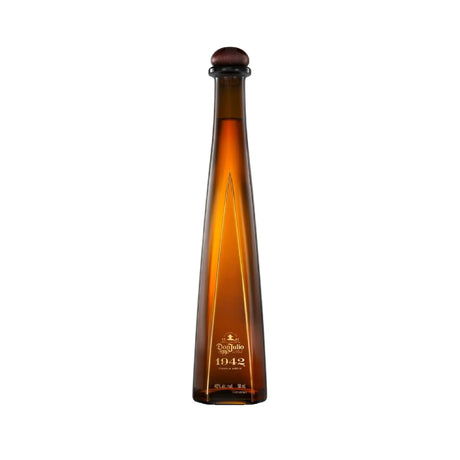
Extra Añejo — 3+ years in oak — is an official NOM-006 category that most drinkers forget exists. This is where Don Julio 1942, Milagro Select Barrel Reserve Extra Añejo, and Clase Azul Ultra live. Extra añejos trade agave character for dessert-spice complexity. They are gift and special-occasion pours, not everyday bottles. If you are curious about 1942 specifically, our Don Julio 1942 page has the full context.
Cristalino: the category asterisk
Cristalino tequilas (Don Julio 70, Maestro Dobel Diamante) are technically añejos or extra-añejos that have been charcoal-filtered to remove color. The aging process is the same, but the finished spirit reads cleaner and brighter than its aging would suggest. I treat them as a separate style — a neat pour that drinks somewhere between a blanco and a reposado in perceived weight, despite the actual aging being closer to añejo. It's a polarizing category. Some drinkers love them, some argue the filtration strips flavor. Try before you commit to a full bottle.
The decision flowchart
Here is the quick framework I use at the shop when someone asks which to buy:
- Making margaritas or Palomas? Blanco. A good $25–$40 blanco beats a $70 añejo in a lime-heavy cocktail every single time.
- Sipping tequila for the first time? Reposado. It is the most forgiving introduction.
- Gifting to a whiskey drinker? Añejo. It bridges their palate.
- Gifting to a tequila-curious drinker? Reposado or a well-made blanco.
- Special-occasion centerpiece bottle? Extra Añejo — 1942, Milagro Extra Añejo, or a Clase Azul expression.
What about additive-free?
Mexican regulation allows producers to add up to 1% of approved additives (glycerin, caramel, oak extract, sugar-based sweeteners) without disclosing them. This affects añejos and reposados disproportionately because additives are more detectable in blancos. Producers who self-certify as additive-free (through independent verifications like Tequila Matchmaker's additive-free program) include Fortaleza, Tequila Ocho, Siete Leguas, G4, and Cascahuín, among others. It is a worthwhile filter if you are sensitive to sweetness or want to taste the producer's work directly. Not every drinker needs to care — but it is information worth having.
FAQs
Which tequila is strongest in flavor?
Blanco shows the most raw agave character. Añejo shows the most oak and dessert character. "Strongest" depends on which flavor you are chasing.
Which tequila is best for shots?
A good blanco or a light reposado. Save añejo and extra añejo for sipping — shooting them is a waste of the barrel time.
Which tequila should I buy for a margarita?
Blanco. The lime and sweetener in a margarita overwhelm oak character, so the oak time is effectively wasted.
What is the difference between aged tequila and aged whiskey?
Both use oak barrels, but tequila regulations cap añejo aging at 3 years (extra añejo goes beyond). Whiskey typically ages longer. Tequila also starts from agave sugars vs. grain, which gives it a distinct vegetal backbone even after significant oak influence.
Is reposado or añejo better?
Neither — they are different styles. Reposado keeps more agave character with a light oak polish. Añejo leans into oak and dessert notes. Choose by intended use: reposado for flexible sipping and cocktails, añejo for neat sipping.
The takeaway
The blanco/reposado/añejo framework is genuinely useful once you stop treating it as a tier list. It is a flavor map. Blanco is the agave, reposado is the balance, añejo is the oak. Build your tequila shelf with one of each in the $30–$60 range before you spend up on any one bottle — and you will taste the category more completely than any single $200 bottle can teach you. Browse the full tequila collection to compare side by side.