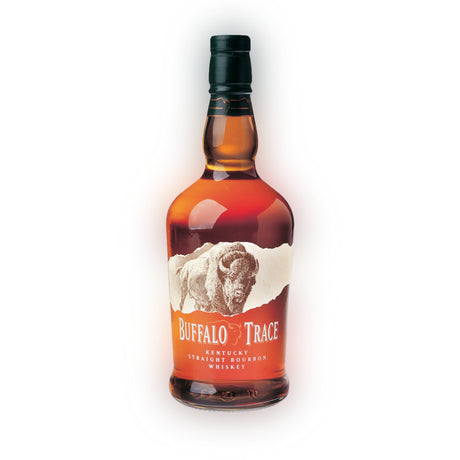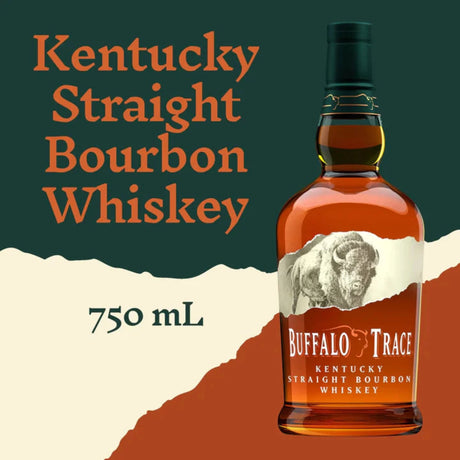

Rare whiskey hunters mark one week on the calendar every fall: the release of Buffalo Trace's Antique Collection, and George T. Stagg is the bottle that causes the most noise. If you're trying to figure out what this year's Stagg actually is, why it vanishes within hours of hitting shelves, and whether there's a realistic path to drinking something in its lineage without paying secondary-market prices, this is the honest version of that conversation.
What the Buffalo Trace Antique Collection Actually Is
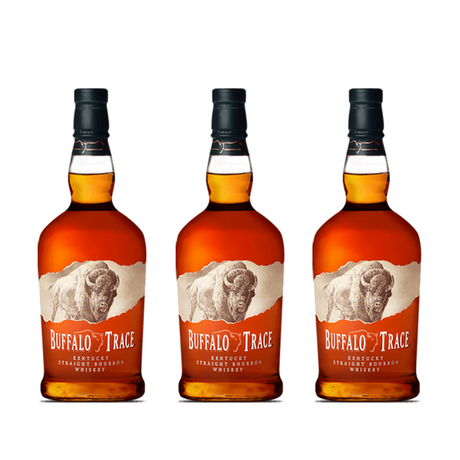
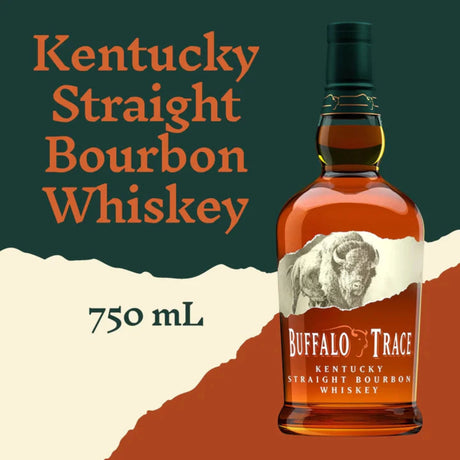
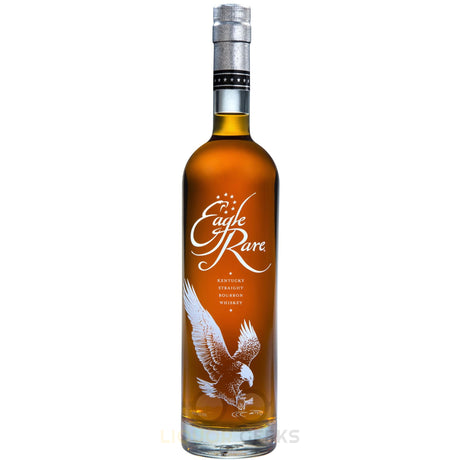
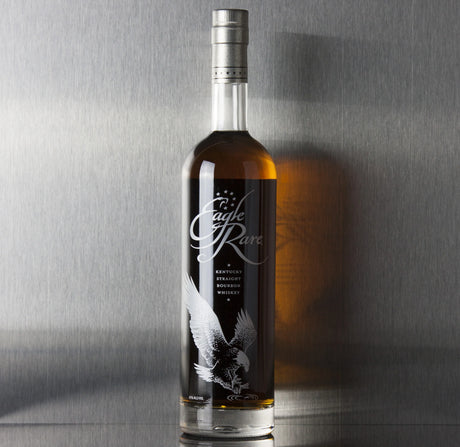
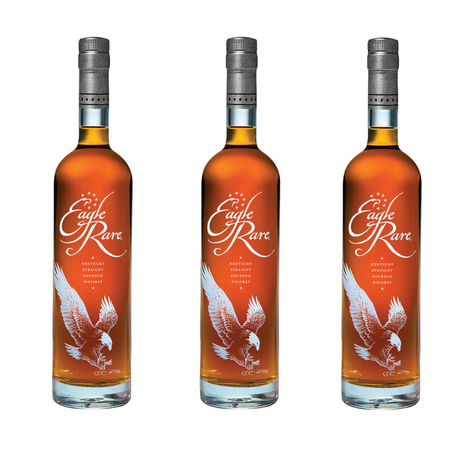
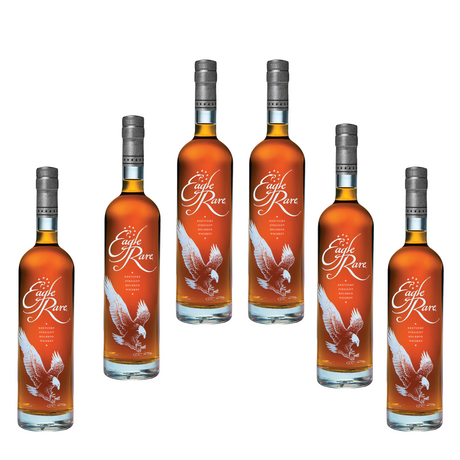
The Buffalo Trace Antique Collection (BTAC) is an annual set of five whiskeys bottled once a year from Buffalo Trace Distillery in Frankfort, Kentucky: George T. Stagg, William Larue Weller, Eagle Rare 17 Year, Thomas H. Handy Sazerac, and Sazerac 18 Year. Each release is barrel-selected rather than blended to a fixed recipe, so proof, age statement, and flavor shift from year to year based on what the warehouse gives up that season.
George T. Stagg is the collection's uncut, unfiltered bourbon — bottled straight from selected barrels at whatever proof those barrels land at, with no water added to bring it down to a standard number. That barrel-driven approach is exactly why the release is unpredictable and why retailers receive only a handful of bottles against enormous demand.
Proof and Age: What Changes Every Year, and What Doesn't
Because Stagg is bottled at natural barrel strength, the proof is never fixed in advance — it's determined after the barrels for that year's release are selected, and it has historically landed anywhere from the low 130s to the mid-140s depending on how much the whiskey evaporated during maturation. The age statement moves too, typically settling in the mid-teens, since Buffalo Trace ages the Stagg barrels well past the point most straight bourbon needs to hit the market. What stays constant is the intent: a cask-strength, barrel-proof bourbon meant to be cut with water at the glass, not at the bottling line.
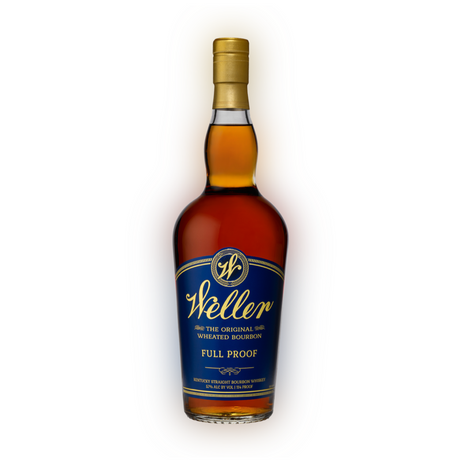
That variability is part of the appeal for collectors, but it also means chasing a specific year's proof number is a moving target. If proof-forward, high-rye-adjacent bourbon character is what draws you to Stagg, that same barrel-strength philosophy shows up in W.L. Weller Full Proof, bottled at a fixed 114 proof from Buffalo Trace's wheated mash bill rather than a year-to-year barrel pull.
The Buying Reality: Allocation Math Most People Don't Talk About
Buffalo Trace does not sell BTAC direct to consumers. It allocates a limited number of cases to wholesalers by state, who then split that already-small number across every retailer with a liquor license in that market. A single store might receive one or two bottles of Stagg for an entire year, regardless of how many customers ask for it. That's the arithmetic behind the instant sellouts — it isn't manufactured scarcity marketing, it's genuinely a few bottles spread across thousands of storefronts.
The secondary market exists because of that gap between demand and supply, and prices there routinely run several multiples above what the bottle would cost at retail. Buying and selling spirits outside licensed channels is illegal in most states and carries no guarantee the bottle wasn't tampered with, refilled, or mishandled in storage. That risk is worth weighing seriously before treating secondary listings as a normal purchasing channel.
Where Rare Whiskey Actually Surfaces at Retail
If you want a real shot at allocated bourbon, the honest playbook looks less like luck and more like process. Retailers with allocation typically distribute it through raffles, waitlists, or loyalty-purchase requirements tied to a store's regular customer base — not first-come-first-served walk-in traffic. Getting on a retailer's notify list before a release, rather than calling the week of, is the single highest-leverage move available to an ordinary buyer.
It also helps to widen what you're chasing. Because BTAC allocation is so thin, retailers that carry a broad bench of Buffalo Trace's other limited and allocated expressions are often a better long-term relationship than one built entirely around a single annual release. Our rare bottles collection is where we route inventory as it lands, since allocated bourbon doesn't move on a predictable restock schedule the way standard shelf items do.
Buffalo Trace Family Alternatives Worth Buying Instead
None of these replace Stagg directly, but they share its lineage, distillery, and — in several cases — its barrel-selection philosophy, and they're a far more realistic target for an actual purchase this season.
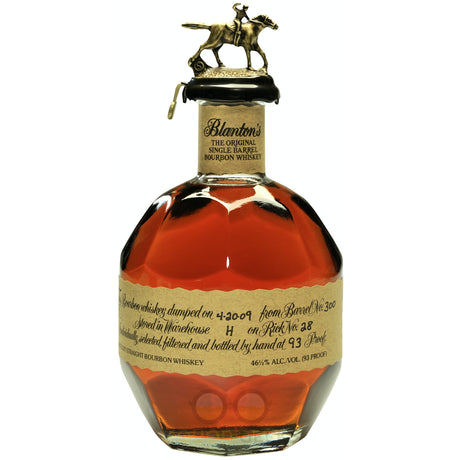
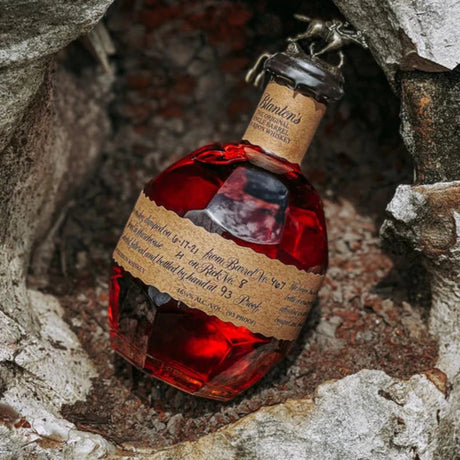
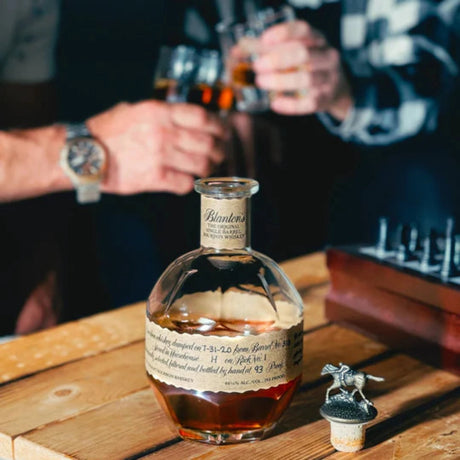
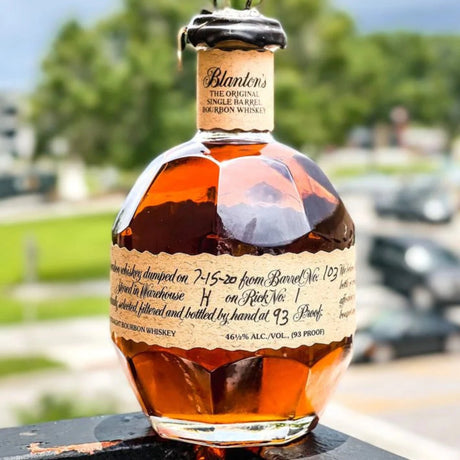
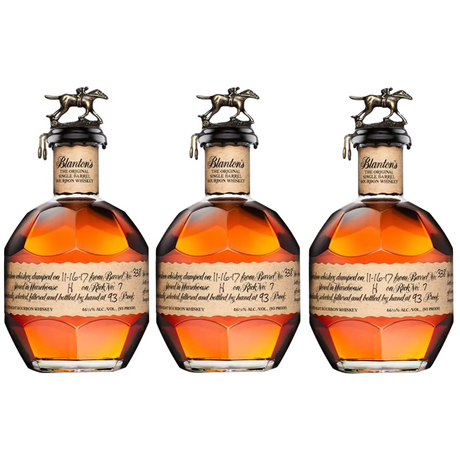
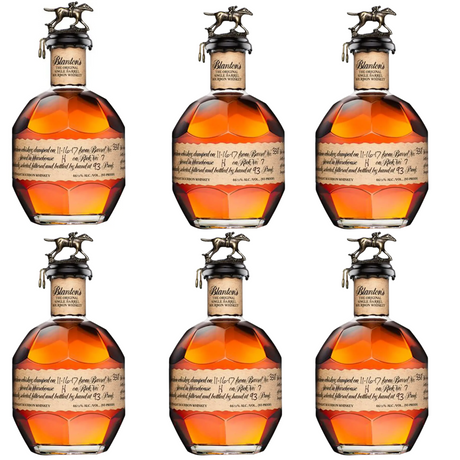
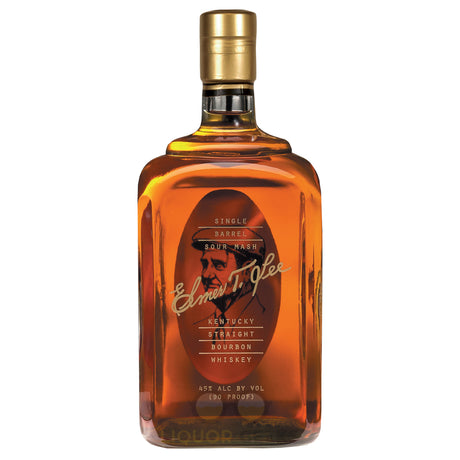
Blanton's Single Barrel was the original proof-of-concept for single-barrel bourbon out of Buffalo Trace's Warehouse H, and it's the most attainable single-barrel expression the distillery makes. Elmer T. Lee Single Barrel carries the name of the distiller who created Blanton's, with a softer, more classic wheat-adjacent profile. For barrel-proof intensity closer to what draws people to Stagg in the first place, Weller C.Y.P.B. is an allocation-only, 8-year wheated bourbon bottled at 95 proof that was designed by public vote from thousands of bourbon fans.
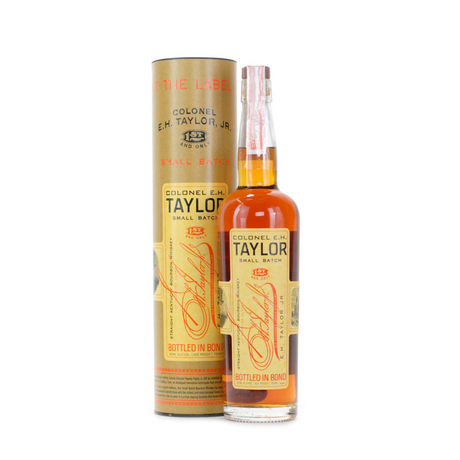
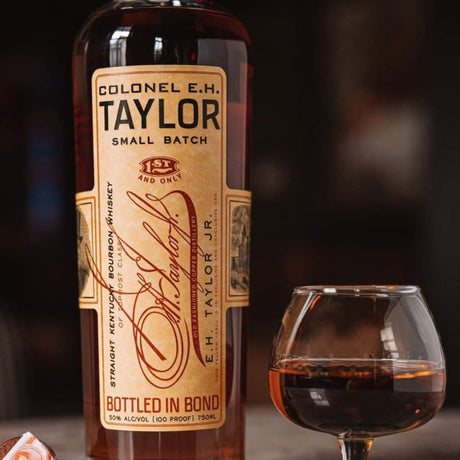
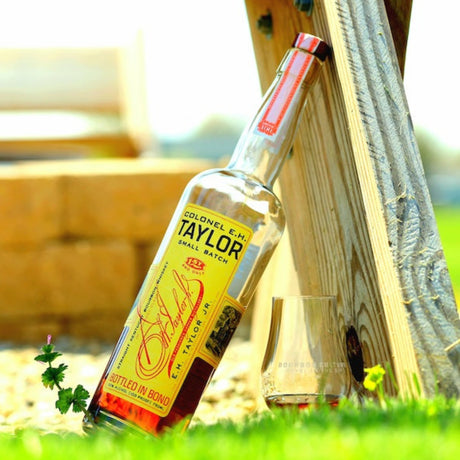
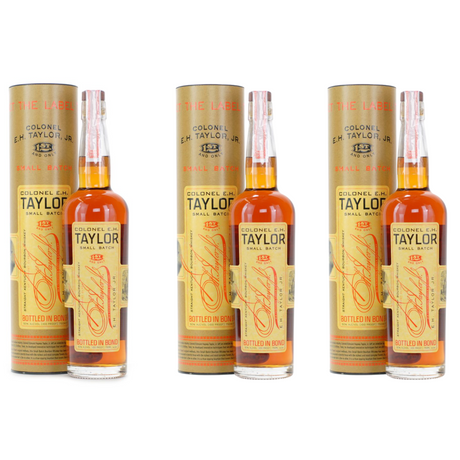
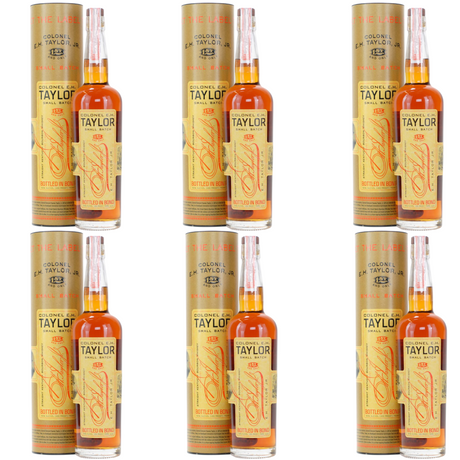
If age statement matters more to you than barrel proof, Colonel E.H. Taylor Small Batch and Eagle Rare 10 Year both come out of the same rickhouses as Stagg and represent Buffalo Trace's approach to long-aged bourbon at a far more accessible price point. And for the wheated side of the Van Winkle family that runs parallel to BTAC, Pappy Van Winkle 15 Year is distilled at Buffalo Trace under the same allocation constraints Stagg faces.
Building an Actual Relationship With an Allocated Retailer
From the retail side, allocation isn't a lottery we run for fun — it's the only fair way to distribute single-digit bottle counts across a customer base that's orders of magnitude larger. Retailers that handle allocation well tend to reward purchase history, communicate release timing honestly, and avoid dumping their entire allocation to whoever calls first. As a buyer, the most effective thing you can do is pick two or three retailers you trust, get on their mailing lists well before September, and be upfront that you're specifically hoping for Stagg or its BTAC siblings when they come available. Consistency with a smaller number of stores beats scattering requests across dozens of retailers you have no relationship with.
It's also worth asking a retailer directly what their allocation process looks like. A store that can explain its method — waitlist order, raffle, purchase-history weighting — is generally a more reliable partner than one that's vague about how bottles actually get distributed.
Frequently Asked Questions
What is George T. Stagg and why is it so hard to find?
George T. Stagg is the uncut, unfiltered, barrel-proof bourbon in Buffalo Trace's Antique Collection, released once a year. It's scarce because Buffalo Trace allocates only a small number of cases per state, which retailers then split among far more customers than they have bottles.
What proof is George T. Stagg bottled at?
Proof varies by release year because it's bottled straight from selected barrels without dilution. Historically it has landed anywhere from the low 130s to the mid-140s proof, with the exact number only finalized once that year's barrels are chosen.
Is it safe to buy rare whiskey on the secondary market?
Buying and reselling spirits outside licensed retail channels is illegal in most states, and secondary bottles come with no guarantee against tampering, refilling, or poor storage. Sticking to licensed retailers, even if it means missing a specific release, is the safer path.
What's a good substitute if I can't find Stagg this year?
Weller Full Proof and Weller C.Y.P.B. share Buffalo Trace's barrel-strength, wheated-mash-bill approach, while Blanton's, Elmer T. Lee, and E.H. Taylor Small Batch come from the same distillery and rickhouses at a more attainable price point.
How can I improve my odds of getting allocated bourbon at retail?
Get on a retailer's notify or waitlist program well before release season, build purchase history with a small number of trusted stores, and ask directly how their allocation process works rather than relying on walk-in luck.
Shop Rare Whiskey at Liquor Geeks
Browse our full rare bottles collection for allocated and limited bourbon as it becomes available. Shipping rules vary by state — check our shipping eligibility page before ordering.