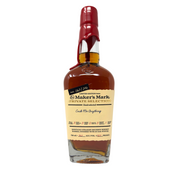

Evan Williams honey whiskey has carved out a comfortable niche for spirits enthusiasts who want something between straight bourbon and a dessert-style liqueur. Unlike the full-proof, barrel-aged expressions Evan Williams built its reputation on, this honey whiskey liqueur takes a softer approach: Kentucky straight bourbon rounded with natural honey sweetness and bottled at a lower, more accessible proof. Whether you're new to whiskey or looking for an easy crowd-pleasing bottle, understanding what this expression offers—and how to best enjoy it—makes the difference between a fun pour and a bottle that sits half-empty on the shelf. This guide covers the flavor profile, the bourbon foundation, and three straightforward cocktail recipes that let the honey notes shine without overcomplicating things.
What Is Evan Williams Honey Whiskey?
Before diving into flavor, let's clarify what you're holding. Evan Williams Honey Whiskey is not a straight whiskey in the traditional sense—it's a liqueur-classified whiskey product, which explains the lower proof and sweeter profile. The base is Kentucky straight bourbon, the same juice that made Evan Williams a reliable, affordable bourbon standard in bars and home cabinets nationwide. But instead of resting in barrels for years, this version combines bourbon with honey and other flavorings, then bottles it at a proof that sits well below full-strength spirits.
This classification matters to retailers and bartenders because liqueur-strength whiskeys occupy a different shelf space and face different regulations than 80-proof or 100-proof straight bourbons. For home drinkers, it means you're getting a product designed for approachability: smoother entry, less burn, quicker palatability. The honey isn't an afterthought—it's the entire premise. Evan Williams positioned this as an entry point for people intimidated by barrel-proof whiskey, or as a mixer that doesn't need aggressive dilution to feel balanced.
Flavor Profile and Tasting Notes
Pours a warm golden amber—attractive in the glass, especially under natural light. On the nose, you'll catch wildflower honey first, with supporting vanilla and light oak notes that hint at the bourbon foundation. There's a soft spice underneath, nothing aggressive, just a whisper of cinnamon and a touch of caramel sweetness.
The palate confirms what the nose promised: honey takes the lead, but it's not cloying or candied. The bourbon structure carries it forward—you can taste the grain and that familiar Evan Williams smoothness. Oak appears mid-palate, adding subtle dryness to balance the honey. The finish is short and warming, more velvet than burn, with lingering honey and a tiny peppery note that prevents it from tilting into pure dessert territory.
For comparison, this is sweeter and gentler than 100-proof bourbon, but less syrupy than a honeyed liqueur. It lands right in that middle ground that makes Evan Williams Honey Whiskey approachable for mixed drinks and satisfying for sips on its own.
The Bourbon Foundation Behind the Sweetness
The real story here is the bourbon underneath. Evan Williams has been producing Kentucky straight bourbon for decades—a workhorse brand that prioritizes consistency and value. The bourbon base in this honey liqueur comes from that same distillery infrastructure. What we're drinking is a bridge product: takes established bourbon equity, softens it with honey and proof reduction, and targets drinkers who might otherwise skip whiskey entirely.
From a retailer's standpoint, this is a smart play. The base spirit is stable, proven, and cost-effective. The honey addition is a flavor choice, not a cover-up for poor bourbon. You're tasting real bourbon structure—the grain character, the vanilla undertones from American oak—just modulated through sweetness. This isn't an industrial adjunct play; it's a deliberate category extension.
The lower proof (liqueur-strength rather than 80+ proof) means less ethanol burn, which makes the honey more prominent and the sipping experience gentler. For home bartenders, that also means you can use this whiskey in warm cocktails or long drinks without worrying about harsh alcohol edges competing with delicate flavors.
Three Easy Serves for Home Bars
This is where the honey whiskey shines. Here are three straightforward ways to serve it that require minimal technique and maximum enjoyment.
Neat or on Rocks
The simplest move: pour two ounces into a rocks glass, add one large ice cube or a few smaller ones, and sip. The ice mellows any remaining proof heat while keeping the honey and vanilla notes central. No mixers, no equipment beyond a glass. This works if you're drinking solo or want to let guests taste the base expression.
Hot Toddy
Combine one and a half ounces of the honey whiskey with six ounces of hot water, half an ounce of fresh lemon juice, and—optional—one small cinnamon stick or a single clove. No additional honey needed (the bottle brings sweetness already). Stir and sip. This is comfort-drink territory, perfect for colder months or when you want something warming without the complexity of multiple ingredients.
Simple Bourbon Sour (Honey Variation)
In a cocktail shaker with ice: one and a half ounces honey whiskey, one ounce fresh lemon juice, and half an ounce simple syrup (or skip the syrup if you prefer less sweetness). Shake for ten seconds, strain into a coupe or rocks glass over fresh ice. The honey adds subtle depth that straight bourbon wouldn't bring here; the citrus cuts through the sweetness and keeps the drink balanced. If you want egg white foam on top (traditional sour-style), you can add one egg white to the shake, but it's optional.
Each of these serves takes under five minutes and requires no special equipment beyond what most home drinkers have.
Mixing vs. Sipping—How to Enjoy This Expression
Evan Williams Honey Whiskey blurs the line between sipping spirit and cocktail base, and knowing which side of that line you're on changes how you pour it.
For sipping, serve it neat or with one large ice cube, especially if you're new to whiskey. The honey flavor is the star; don't muddy it with acidic mixers or competitive spirits. The goal is to taste the bourbon foundation and honey character without distraction.
For mixing, this expression brings something different to the table than traditional bourbon would. The inherent sweetness means you can lean into classic whiskey cocktails—daiquiris, sours, old fashioneds—without adding as much simple syrup or honey as you normally would. In a whiskey sour, you might skip syrup entirely. In an old fashioned, you'd reduce or eliminate the sugar cube. This isn't just about convenience; it's about building balanced, not over-sweetened drinks.
Where this whiskey struggles is in spirit-forward stirred cocktails—Manhattans, Martinis-style drinks—because the honey muddies the delicate interplay between base spirit and vermouth. Stick to shaken or simple long drinks, and this honey whiskey becomes a reliable tool.
Why Liqueur-Strength Whiskey Has Its Place
Liqueur-strength whiskies occupy a category that traditional bourbon enthusiasts sometimes dismiss, but there's solid reasoning behind the format. Lower proof means gentler entry for new drinkers—less alcohol bite, more flavor clarity. It also means higher margins for retailers: the manufacturing cost is lower, and the positioning allows for premium pricing relative to straight bourbon.
For home bars, liqueur-strength spirits serve a practical purpose: they're accessible but still whiskey-based, they work in both sips and mixed drinks, and they don't require as much skill to make taste good. You won't find collectors hunting allocations or trading bottles of Evan Williams Honey Whiskey on secondary markets—that's not the product's purpose. Instead, you'll find it on restaurant and bar back shelves, in home cabinets next to sweet vermouth, and in the hands of people who just want something smooth and approachable.
The honey category specifically—whiskey, bourbon, rye with honey infusions—has grown in recent years. It's a gateway into spirit appreciation for people turned off by harsh, barrel-proof expressions. Not everyone wants to spend years developing a palate for rye nuance or Japanese whisky depth. Some people just want a pleasant glass, and that's where this expression earns its space.
Frequently Asked Questions
Is Evan Williams Honey Whiskey real whiskey?
Technically, yes—the base is Kentucky straight bourbon. But the liqueur classification means it includes added honey and flavorings, so it doesn't meet the strict legal definition of "whiskey" in some jurisdictions. In bars and homes, people call it whiskey casually. At the regulatory level, it's labeled liqueur. Both are accurate, just different contexts.
Can you use it in any cocktail where bourbon appears?
Generally, yes, but the sweetness changes the balance. Classic bourbon cocktails (sours, toddies, simple long drinks) work well. Spirit-forward stirred drinks (Manhattans, Negronis) where the base spirit needs to stay crisp often work better with regular bourbon. Start with classic sour and hot toddy templates, then experiment.
What's the proof?
Evan Williams Honey Whiskey is bottled at liqueur strength—typically around 70 proof (35% ABV), significantly lower than standard bourbon. Check the label on your bottle to confirm, but expect lower proof than full-strength whiskey.
How should you store it?
Like any whiskey liqueur, store upright in a cool, dark place. Keep the cap sealed. It won't go bad, but heat and light can gradually fade flavor. A kitchen cabinet or home bar closet works fine; avoid direct sunlight.
Is it good for gifting?
If the recipient enjoys sweet spirits, cocktails, or whiskey-based drinks, yes. The bottle is attractive, the flavor is accessible, and it doesn't require a seasoned palate to enjoy. If you're gifting to a straight-whiskey collector or someone who prefers dry flavors, skip it.
Shop Whiskey at Liquor Geeks
Ready to try Evan Williams Honey Whiskey? Check our current selection and add it to your cart. Shipping rules vary by state — check our shipping eligibility page before ordering.