
Jack Daniel's Old No. 7 Tennessee Whiskey is the world's best-selling American whiskey—and if you've never explored the full Jack Daniel's lineup, you're missing what makes the brand so versatile. From the iconic core expression to recent barrel-proof releases and age-stated collectors' editions, Jack Daniel's has built an expanding portfolio that serves both newcomers and serious whiskey drinkers. As a retailer tracking allocation and availability, I've watched the brand evolve from a one-trick pony into a sophisticated range worth understanding. This guide breaks down every major Jack Daniel's expression: what sets each apart, who they're for, and how they stack up against Maker's Mark and Wild Turkey in terms of value.
The Legend That Starts It All—Old No. 7
The foundation of everything Jack Daniel's makes is Old No. 7 Tennessee Whiskey, and the numbers prove why. Since 1866, the Lynchburg distillery has charcoal-mellowed every drop through ten feet of sugar maple charcoal before aging in new charred American white oak. That charcoal filtration—a process unique to Tennessee whiskey—creates a smoother, lighter profile than bourbon. Old No. 7 tastes like vanilla, caramel, and a hint of oak smoke, and it's bottled at 80 proof (40% ABV).
On the shelf today, it remains entry-level pricing, which makes it the gateway expression most people encounter first. For casual drinkers and cocktails, it's the obvious choice. The distillery's pedigree is genuine—the registration certificate hanging in Lynchburg dates to 1866, making it America's oldest registered distillery. That heritage carries weight, even if it's become so common that whiskey enthusiasts often overlook it. Don't. There's a reason this bottle moved over 10 million cases globally before the craft whiskey boom even started. It's not nostalgia; it's a legitimately sound whiskey that rewards exploration as you move deeper into the brand's range.
Single Barrel & Core Range Depth
Once you've tasted Old No. 7, the next logical step is Single Barrel Select, where individual barrels express character variation that the blended Old No. 7 smooths over. Because each barrel sits in a different part of Jack Daniel's warehouses, temperature swings hit some more than others—barrels in the upper reaches oak faster and darker. Single Barrel Select pulls from hand-selected casks and delivers richer vanilla, deeper caramel, and a touch more complexity than Old No. 7, also at 80 proof.
For the retailer's angle: Single Barrel Select moves slower than Old No. 7, which means shelf time is higher and allocations are more stable. It's mid-shelf pricing, affordable for someone wanting to step up without breaking the bank. The Bonded Tennessee Whiskey takes a different path—it's 100 proof, aged at least four years, and bottled under the 1897 Bottled-in-Bond Act. This expression is darker, richer, and noticeably spicier than Old No. 7. It's the pick for someone ready to commit to higher proof and complexity. Bonded whiskey represents honest craftsmanship: single distiller, single season, government oversight.
The Age-Stated Collection & Collector Appeal
Jack Daniel's recently returned to age-stated whiskeys, and it's changed the allocation game. The 10 Year Old represents the entry point into this tier—a richer, more mature take on the Tennessee profile with deeper oak influence, dark caramel, and refined balance. The 10 Year Old is proof that Jack Daniel's can age gracefully; it's not a one-note whiskey, and it rewards neat sipping.
The 12 Year Old Limited Release (Batch 4) and 14 Year Old Batch 2 occupy premium collector territory. These are genuine limited releases—not infinite pours—and they command collector-tier pricing. The 14 Year Old is particularly rare; Batch 2 showcases careful barrel selection and is noticeably darker and richer than even the 10 Year. From an allocation perspective, these age-stated pours move quickly. Retailers lucky enough to receive them often see them spoken for before they hit shelves. They represent Jack Daniel's staking a claim in the premium whiskey market—a space where the brand historically had less presence. For someone collecting or gifting, these are the prestige expressions.
Barrel Proof & Premium Statements
The Single Barrel Barrel Proof marks a turning point in Jack Daniel's philosophy. Unchillfiltered, uncut, and bottled straight from a single hand-selected barrel at cask strength, this whiskey is stripped of compromise. Each barrel varies—some hit 120+ proof—and that raw power showcases why the brand's charcoal mellowing and barrel selection matter. Barrel Proof is intense but smooth, a full-bodied declaration that Jack Daniel's doesn't need dilution to be sophisticated.
The Sinatra Select is the brand's most luxurious expression, crafted in honor of Frank Sinatra's legendary Jack Daniel's patronage. Bottled at 90 proof and aged in specially designed "Sinatra Barrels"—handcrafted oak with deep grooves that increase wood exposure—this whiskey is rich, robust, and unmistakably premium. The extra surface area creates a darker, more complex spirit. Sinatra Select represents brand heritage meeting modern craft—it's not just whiskey; it's a story. From an allocation standpoint, both Barrel Proof and Sinatra Select command serious pricing and move fast. These are the expressions that landed dealers use as draws for serious buyers.
The Rye Revolution
Jack Daniel's rye portfolio is relatively new but substantial. The Single Barrel Tennessee Rye uses a 70% rye, 18% corn, 12% malted barley grain bill—leaning rye-forward while honoring Jack Daniel's traditions. It's complex, spicy, and restrained—not the aggressive heat of a MGP-sourced rye, but the deliberate spice of a rye-forward blend.
The Single Barrel Rye Barrel Proof cranks that up: cask-strength, unfiltered, uncut. Rye at barrel proof is spicy, punchy, and unforgiving—exactly what rye enthusiasts want. Both rye expressions signal that Jack Daniel's is serious about the rye conversation; they're not afterthoughts or MGP sourcing. They're proprietary recipes made in Lynchburg. For retailers, rye allocation from Jack Daniel's has been tighter than bourbon—demand is hungry, and supply is measured. Whiskey drinkers tired of mainstream bourbon are gravitating toward rye, and Jack Daniel's ryes slot into that trend nicely. They lack the complexity of MGP-heavy ryes, but they make up for it in consistency and brand heritage.
Flavored Expressions & Specialty Releases
Jack Daniel's flavored lineup isn't for purists, but it matters for volume and accessibility. Tennessee Honey and Tennessee Fire blend Old No. 7 with proprietary liqueurs—honey for sweetness, cinnamon for heat. Tennessee Apple follows the same formula with green apple. These are gateways, often consumed over ice or in cocktails. They're not sophisticated whiskeys, but they're honest products that exist because they sell, and honestly, they deserve shelf space for newcomers who find 80-proof neat intimidating.
The McLaren Old No. 7 Edition 3 (2025 Release) represents Jack Daniel's push into lifestyle collaborations—a limited partnership with the McLaren Formula 1 team. It's a marketing play, but it's executed with respect for the whiskey inside. These expressions represent the breadth of the brand's reach and its willingness to meet drinkers where they are—whether that's at a nightclub with a cinnamon kick or a race weekend with formula-inspired packaging.
Value Positioning vs. Maker's Mark & Wild Turkey
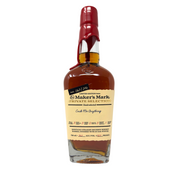
From a retailer's perspective, how does Jack Daniel's stack up against the other titans? Maker's Mark is wheated (no rye), smoother, and occupies nearly identical shelf positioning as Old No. 7. Maker's Mark's brand equity is strong, and it appeals to the same casual drinker. The difference: Jack Daniel's leans toward vanilla and smoke; Maker's Mark leans toward sweetness and softness. Neither is objectively better—they're different philosophies.
Wild Turkey is higher proof (101) and more assertive; it appeals to drinkers who find Maker's Mark and Old No. 7 too gentle. Wild Turkey's rye content makes it spicier; Jack Daniel's charcoal mellowing makes it smoother. On value: Old No. 7 and Maker's Mark trade places on price monthly. Wild Turkey's price advantage is marginal. The real Jack Daniel's value story isn't Old No. 7—it's depth. You can buy a single entry expression and stay there forever, or you can explore Single Barrel Select, then the Rye, then Barrel Proof. That progression keeps drinkers engaged and moving up. Maker's Mark's range is smaller; Wild Turkey has rye leverage. Jack Daniel's wins on having something for everyone at every price tier.
Frequently Asked Questions
What's the difference between Jack Daniel's Old No. 7 and Single Barrel Select?
Old No. 7 is a blend of multiple barrels, creating consistency and smoothness at 80 proof. Single Barrel Select pulls from individual hand-selected barrels, so each bottle is slightly different. Single Barrel delivers more oak, deeper caramel, and richer character—a step up in complexity. Both are charcoal-mellowed Tennessee whiskey, but Single Barrel shows what happens when you don't average out the variation.
Is Jack Daniel's Barrel Proof worth the price premium?
Yes, if you want to taste uncut, unfiltered whiskey straight from the barrel. Barrel Proof removes dilution and reveals the depth that charcoal mellowing and barrel selection created. It's a significant premium over Old No. 7, but you're getting cask-strength intensity and single-barrel variation. It's worth the investment for neat sipping or someone serious about whiskey.
How does Jack Daniel's Rye compare to mainstream rye whiskeys?
Jack Daniel's Rye is proprietary and made in Lynchburg—not sourced from MGP or other distilleries. It's rye-forward (70% rye) but balanced, delivering complex spice without aggression. It's less punchy than some MGP ryes but more consistent and heritage-backed. Good for rye enthusiasts who want distillery authenticity and Tennessee whiskey tradition.
Should I buy Jack Daniel's age-stated expressions as an investment?
Age-stated releases like 10, 12, and 14 Year Old are genuinely limited and move quickly. They're scarce on the secondary market, which supports value retention. If you're buying to drink, buy to drink. If you're holding long-term hoping for appreciation, these are safer bets than contemporary bourbon releases—but alcohol investment is speculative and tax-complex.
What's the best Jack Daniel's expression for a gift?
For entry-level: Old No. 7 (iconic and recognizable). For cocktail enthusiasts: Tennessee Honey or Fire. For serious drinkers: Single Barrel Select or 10 Year Old. For collectors: Sinatra Select or Barrel Proof. The brand also offers gift sets that bundle whiskey with accessories, making presentation easy.
Shop Jack Daniel's at Liquor Geeks
Browse our full whiskey collection. Shipping rules vary by state — check our shipping eligibility page before ordering.