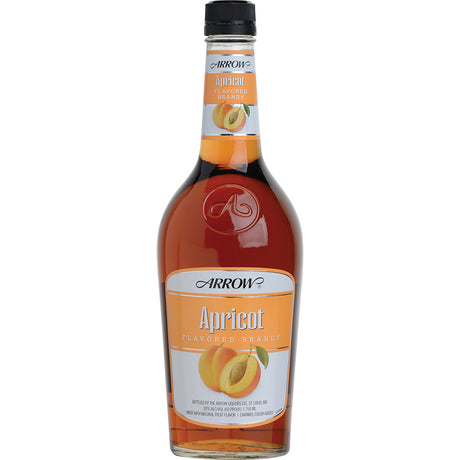

Apricot brandy sits in an odd spot on the back bar: it isn't really brandy, and depending on the bottle, it might not even taste that strongly of apricot. Most of what's labeled "apricot brandy" is a fruit liqueur — apricot flavor and sugar built onto a neutral or lightly brandied base — rather than a pot-distilled eau-de-vie. That distinction matters the moment you try to make a Hotel Nacional Special or a Mary Pickford, two rum drinks that live or die on the apricot bottle you pour. Here's how the major styles differ, what a bottle like Arrow Apricot Brandy brings to the glass, and where cognac can step in when a recipe wants stone-fruit depth instead of liqueur sweetness.
What Apricot Brandy Actually Is
The name is a holdover from a period when "brandy" was used loosely for almost any fruit-based spirit, sweetened or not. Under current labeling rules, most bottles sold today as apricot brandy are classified as liqueurs or cordials — they're built from a spirit base infused or macerated with apricot, then sweetened, rather than distilled purely from fermented apricots the way a true eau-de-vie would be. You can read more about the category's history and terminology on Wikipedia's apricot brandy entry.
The practical takeaway for a home bartender: don't assume every "apricot brandy" on a shelf behaves the same in a shaker. Sweetness levels, apricot intensity, and the amount of oak or base-brandy character vary a lot by producer, and a cocktail written decades ago with a specific bottle in mind can taste noticeably different — thinner, sweeter, or more candied — with a different one.
Rothman & Winter vs. Marie Brizard vs. Giffard
These three names come up constantly in classic cocktail books, and bartenders tend to have strong opinions about which one belongs in which drink. Rothman & Winter's Orchard Apricot leans drier and more brandy-forward, with real barrel influence underneath the fruit — it reads less like candy and more like a spirit that happens to taste of stone fruit, which makes it a favorite for drinks where you don't want the apricot note to dominate.
Marie Brizard, a French liqueur house with roots stretching back to the 18th century, makes a lighter, more traditionally sweet apricot liqueur. It's closer to what most vintage recipes were written around, with a rounder, slightly candied profile that plays well in drinks built for balance rather than intensity.
Giffard, based in the Loire Valley, sits between the two in some ways but is prized by bartenders for how vivid and fresh the fruit tastes — it uses real apricot macerate alongside eau-de-vie, so the flavor reads less cooked and more like biting into ripe fruit. Swap any of these three into the same recipe and you'll get a genuinely different drink, not just a subtle variation.
Arrow Apricot Brandy: An Accessible Starting Point
If you're building a home bar and don't want to chase down a specific import, Arrow Apricot Brandy is a straightforward, accessible entry into the category. It follows the same broad style as Marie Brizard-type liqueurs — sweeter and more approachable than the drier Rothman & Winter — which makes it a forgiving choice if you're still deciding whether apricot brandy earns a permanent spot on your shelf. For sours, punches, and any recipe that calls for a modest amount of apricot liqueur as a supporting player rather than the headline flavor, it does the job without requiring you to track down a specialty import first.
The Hotel Nacional Special
This one comes out of Havana's Hotel Nacional in the 1930s, and it's built to let apricot liqueur do real work rather than sit in the background. The bar spec: 1.5 oz light rum, 0.5 oz apricot liqueur, 0.5 oz fresh lime juice, and 0.5 oz pineapple juice, shaken hard with ice and double-strained into a coupe. Some versions add a scant barspoon of simple syrup depending on how sweet your apricot bottle already runs.
Because the apricot component makes up a full third of the liquid, the difference between a dry Rothman & Winter pour and a sweeter Marie Brizard-style bottle shows up immediately — the drink shifts from tart-and-fruity to genuinely dessert-like. This is a recipe where it pays to taste your specific bottle before you build the whole drink around it.
The Mary Pickford
Named for the silent-film star and also tied to 1920s Havana, the Mary Pickford is built on white rum, pineapple juice, and grenadine, with maraschino liqueur rounding out the classic version. Plenty of modern bar menus riff on it by swapping in a small amount of apricot liqueur for some or all of the maraschino, trading the classic's cherry-pit almond note for a rounder, warmer stone-fruit finish. A workable modern spec: 2 oz white rum, 1 oz pineapple juice, 0.25 oz grenadine, and 0.25 oz apricot liqueur, shaken and strained into a coupe.
It's a good drink for testing how a given apricot brandy behaves next to pineapple — some bottles read jammy and heavy in that pairing, while others (Giffard especially) keep a bright, fresh-fruit edge that doesn't fight the pineapple for attention.
When Cognac Fills In for Apricot Character
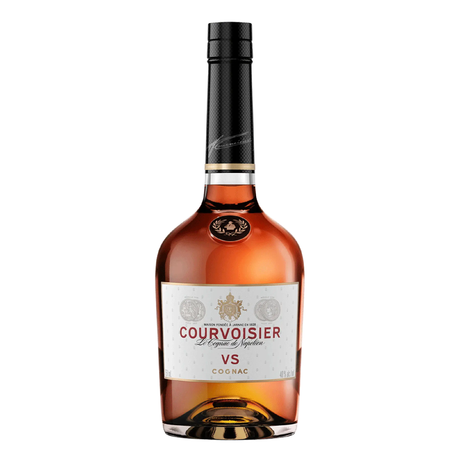
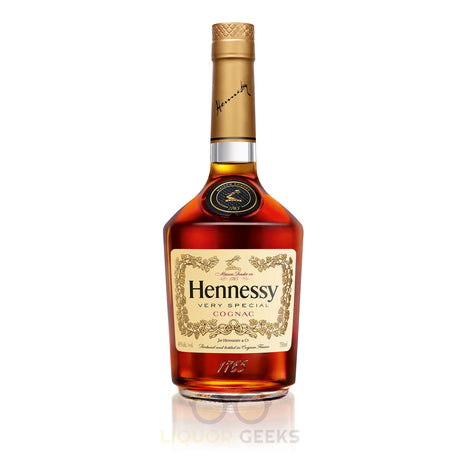
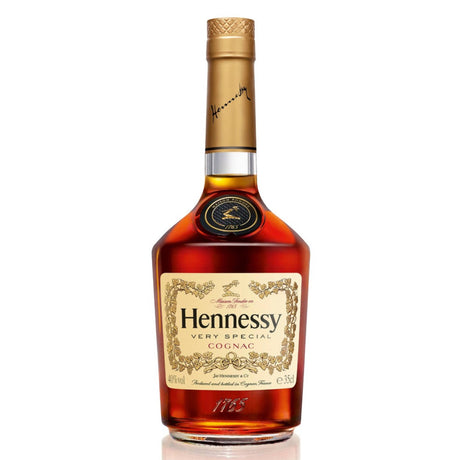
Cognac isn't apricot liqueur, but well-aged cognac genuinely does carry dried-apricot and stone-fruit notes as part of its normal flavor profile, developed through years in French oak. If a recipe wants brandy-driven fruit character without added sweetness, an entry-level cognac can be the more honest substitute than reaching for a liqueur. Courvoisier VS Cognac and Hennessy VS are both young, fruit-forward expressions — VS cognacs skew brighter and more overtly fruity than older VSOP or XO releases, since less time in the barrel means less oak, spice, and dried-fruit concentration masking the base fruit character.
This isn't a one-for-one swap in a Hotel Nacional or Mary Pickford — you'd lose the sweetness those recipes are built around — but in a Sidecar, a brandy sour, or any drink where you want stone-fruit depth from the spirit itself rather than from an added liqueur, a VS cognac is worth having next to your apricot bottle.
Building Your Home Bar Around Apricot Brandy
A well-stocked apricot brandy shelf doesn't need to be complicated: one liqueur-style bottle for sweetness and body, one drier option if you want more control over a recipe's final sugar level, and a base brandy or cognac on hand for drinks that want fruit character without the added sugar. Christian Brother's VS Brandy is a reliable, everyday American brandy to keep around for that role — it's not apricot-flavored, but it gives you a neutral, oak-aged base to compare your apricot liqueurs against, which helps you calibrate how much sweetness and fruit intensity you're actually adding when you pour apricot brandy into a shaker.
Keep opened liqueur bottles in a cool, dark spot — refrigeration isn't required, but heat and light will dull the fruit character faster than the alcohol content alone would suggest. If you're mixing regularly, buy apricot liqueur in a size you'll finish within a year or so rather than a large-format bottle that sits half-used for a long stretch.
Frequently Asked Questions
Is apricot brandy the same as apricot liqueur?
In most cases, yes. Nearly everything sold today under the "apricot brandy" name is a sweetened liqueur built on a spirit base, not a true apricot eau-de-vie. The "brandy" label is historical naming that stuck around rather than a strict style guarantee.
Can I substitute one apricot brandy brand for another in a classic recipe?
You can, but expect the drink to change. Drier styles like Rothman & Winter shift a cocktail toward tart and spirit-forward, while sweeter styles like Marie Brizard or Arrow Apricot Brandy push it toward rounder and more dessert-like. Taste your bottle before committing to a full recipe.
Does apricot brandy need to be refrigerated after opening?
It doesn't strictly need to be, but keeping it in a cool, dark cabinet away from direct light will preserve the fresh-fruit character longer. Refrigeration is optional but won't hurt it.
What's the difference between apricot brandy and apricot eau-de-vie?
Apricot brandy is typically a sweetened liqueur with added sugar and lower proof, while apricot eau-de-vie is an unsweetened, pot-distilled spirit made purely from fermented apricots. They're not interchangeable in a recipe — eau-de-vie is drier, stronger, and far less fruity-sweet on the palate.
Why do Hotel Nacional and Mary Pickford recipes specifically call for real apricot brandy?
Both drinks use apricot liqueur as a structural ingredient rather than a garnish-level flavoring — it supplies a meaningful share of both the sweetness and the body of the drink. A weak or overly candied substitute throws off the balance the original recipes were built around.
Shop Cognac and Brandy at Liquor Geeks
Browse our full Cognac and Brandy collection for apricot liqueurs, entry-level cognacs, and everyday brandies to round out your home bar. Shipping rules vary by state — check our shipping eligibility page before ordering.