
What Makes a Tequila "Añejo"?
Under Mexican regulation, a tequila can only carry the añejo designation if it has aged in oak containers no larger than 600 liters for at least twelve months, and less than three years, at which point it graduates to extra añejo. Every bottle must also come from 100% blue Weber agave grown within the designated tequila-producing states, or it has to be labeled "mixto," a category most serious drinkers avoid entirely.
Every finished bottle carries a NOM number stamped on the label, a code that identifies which government-certified distillery actually produced it. Several brands on the shelf share a NOM even when the labels look nothing alike, which is worth knowing if you're trying to understand why two bottles taste similar despite different marketing.
Añejo vs. Reposado vs. Extra Añejo
Blanco sees little or no wood at all, bottled shortly after distillation to showcase raw agave, citrus, and pepper notes. Reposado rests for two months to just under a year, picking up light vanilla and baking spice without losing its agave backbone. Añejo pushes further into oak territory, developing dried fruit, caramel, and baking spice notes that can start to resemble a young whiskey. Extra añejo, a category only formalized in 2006, ages for three years or more and often shows more oak tannin and a darker, sherry-like depth.
None of these categories is objectively "better" than another; they simply trade agave brightness for barrel complexity as aging time increases. If you already prefer reposado, añejo is a natural next step rather than a leap.
What the Barrel Actually Does
Most añejo tequila ages in used American oak, frequently ex-bourbon barrels, though some producers use French oak or a combination of the two. The barrel imparts color, softens the ethanol bite, and adds vanillin and oak lactones that read as caramel, toffee, and toasted wood. Distillers also manage evaporation loss, the "angel's share," which concentrates flavor but also reduces yield, one reason añejo commands a higher price than blanco from the same producer.
Worth noting for anyone chasing purity: some large brands add small amounts of glycerin, oak extract, or caramel coloring after aging to standardize color and mouthfeel batch to batch. It's legal and disclosed on request, but if additive-free is important to you, look for producers who state clearly that nothing is added post-distillation.
Entry-Level Añejo Bottles Worth Trying
You don't need a collector's budget to see what oak aging brings to agave spirit. 123 Organic Tequila Añejo #3 is a straightforward, organic-certified option that shows how even a modest aging period rounds out blanco's sharper edges. 818 Tequila Añejo, produced in small batches in Jalisco, is another accessible-price-point pour that leans on classic vanilla and light caramel notes without asking for a premium-shelf commitment. Both are reasonable places to start if you've only had blanco or reposado and want to taste where añejo diverges.
Mid-Shelf Añejo Picks for Everyday Sipping
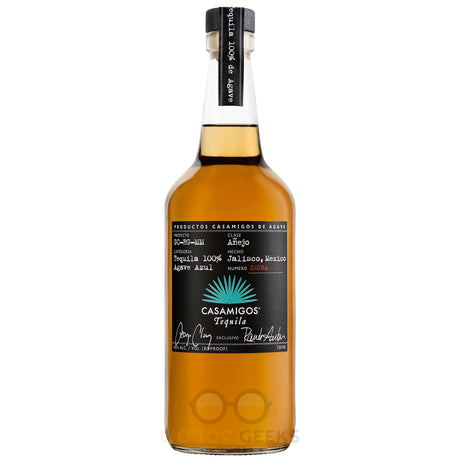
This is where añejo tequila tends to hit its stride for regular sipping rather than special-occasion pours. Don Julio Añejo is a benchmark expression, aged in American white oak with a smooth, balanced profile that made the category approachable to a broader audience. Casamigos Tequila Añejo rests longer than the legal minimum, landing on the softer, sweeter end of the mid-shelf spectrum, while Herradura Añejo Tequila comes from one of the oldest continuously operating distilleries in the category and shows a drier, more oak-forward character. All three work equally well neat, on a single large-format ice cube, or in an añejo-forward Old Fashioned variation.
Collector-Tier Añejo for Special Occasions
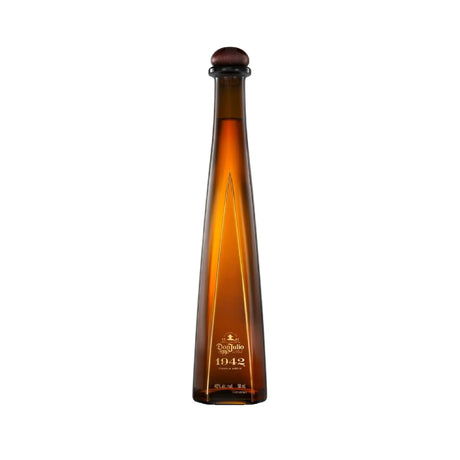
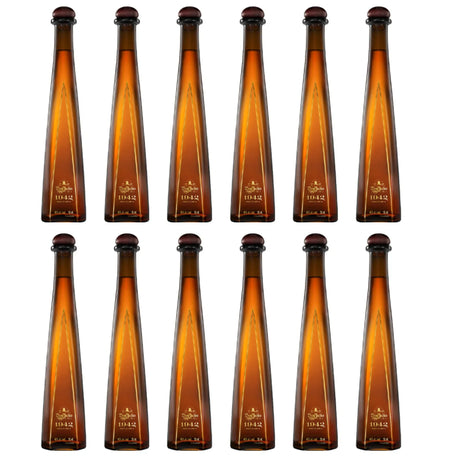
At the top of the shelf, aging time and packaging both signal a different intent. Don Julio 1942 Tequila Añejo is aged longer than the standard Don Julio Añejo and has become something of a status bottle for gifting and celebration, with a noticeably richer caramel and dark chocolate profile. Clase Azul Añejo Tequila takes a different approach entirely, hand-painted ceramic decanter included, with a mellow, honeyed character that rewards slow, neat sipping over an evening rather than mixing into a cocktail. These collector-tier releases are built for savoring in small pours, not for the well.
How to Serve and Store Añejo Tequila
Serve añejo tequila neat or with a single large ice cube in a tulip-shaped glass that concentrates the aroma without diluting too quickly. A splash of water can open up a cask-strength or higher-proof bottle if the alcohol reads hot on the nose. Once opened, an unfinished bottle of añejo holds its character for a year or more if kept upright, away from direct sunlight, and tightly sealed; unlike wine, distilled spirits don't continue to age or degrade meaningfully once bottled.
If you're comparing añejo against reposado or extra añejo side by side, pour small tasting portions of each rather than full servings, and taste from lightest to darkest so the more intense barrel notes of the older expressions don't overwhelm your palate for what follows.
Frequently Asked Questions
What does "añejo" mean on a tequila label?
Añejo is Spanish for "aged" or "vintage." On a tequila label, it's a legally regulated category meaning the spirit rested in oak barrels no larger than 600 liters for at least one year and less than three years before bottling.
How long is añejo tequila aged?
Añejo tequila must age a minimum of twelve months and less than thirty-six months in oak. Once a tequila passes the three-year mark, it's reclassified as extra añejo, a separate category with its own labeling requirements.
Is añejo tequila always 100% agave?
Not automatically. Look for "100% de agave" or "100% blue agave" on the label. Without that statement, the product may be a mixto, which allows up to 49% non-agave sugars in fermentation and generally delivers a lighter, less complex spirit.
What's the difference between añejo and extra añejo?
Aging time is the dividing line. Añejo tops out just under three years in oak, while extra añejo ages three years or longer. Extra añejo typically shows deeper oak tannin, darker color, and a profile that can resemble aged brandy or whisky.
Does añejo tequila need to be refrigerated after opening?
No. Like other distilled spirits, añejo tequila is shelf-stable once opened. Store it upright at room temperature, out of direct sunlight, with the cap tightened, and it will hold its flavor for well over a year.
Shop Añejo Tequila at Liquor Geeks
Ready to taste the difference oak aging makes? Explore additional aged expressions across our tequila selection, from accessible daily pours to collector-tier bottles, and check our shipping eligibility page before ordering, since spirits shipping rules vary by state.