
Mezcal and tequila are both agave spirits—both made in Mexico, both steeped in tradition—yet they're as different as their terroirs. Understanding mezcal vs. tequila is the first step to appreciating why one might be your weeknight margarita while the other becomes your evening meditation. From production method to flavor, agave type to regional designation, these spirits walk distinct paths from plant to glass. This primer walks you through the essentials: what sets them apart, when to reach for each, and how to start exploring mezcal if you've only known tequila.
The Agave Foundation
The most immediate difference between mezcal and tequila lies in the agave plant itself. Tequila, by law, must be made from 100% blue Weber agave (Agave tequilana) grown in Mexico's Tequila denomination of origin zone. Mezcal embraces botanical diversity. While mezcal can legally include agave tequilana, it traditionally uses espadin agave—the workhorse of mezcal production—alongside dozens of other wild and cultivated varieties. Tobala, tepeztate, barril, cupreata—these regional agaves give mezcal its kaleidoscopic flavor range, each adapted to its microclimate.
This botanical constraint shapes everything downstream. The blue Weber's consistent sugar content makes tequila predictable and scalable. Mezcal's agave plurality keeps it adventurous. When you taste a mezcal, you're often tasting the specific hill it grew on and the patience of its producer. That's not marketing—it's terroir made liquid. When exploring tequila, you're entering a tradition refined over centuries. When you taste mezcal, you're tasting regional character, often from small-batch producers who honor ancestral methods.
Production: Roasting, Fermenting, Distilling
Walk through a tequila production facility and mezcal operation side by side, and you'll see two fundamentally different philosophies in action.
Tequila producers harvest blue Weber agave, remove the leaves, and roast the hearts (piña) in massive autoclaves—industrial pressure cookers—for efficiency. Mezcal makers often continue an ancient tradition: pit-roasting. The agave heart goes into a firepit lined with volcanic rock, covered with earth, and smoked low and slow for days. That smoke—cooked wood, earth, even ant colonies living in the soil—infuses the agave with its first layer of complexity. Some mezcal producers now use clay ovens or autoclaves, but the pit-roast tradition remains the soul of mezcal identity.
After roasting, both spirits follow fermentation and distillation, but mezcal production remains artisanal in most cases—smaller batches, slower yeast strains, even wild fermentation with ambient yeast and bacteria. The result: mezcal develops deeper, sometimes funky, mineral-forward profiles. Tequila, refined and consistent, sits lighter and cleaner on the palate. This production divide is why mezcal can taste barnyard-complex and smoky while tequila tastes crisp and agave-forward. Neither is better—they solve different drinking problems.
Regulation, Denomination, and NOM
Both spirits live under strict legal frameworks, though mezcal's is younger and still evolving.
Tequila's Denominación de Origen (DO) zone covers five Mexican states: Jalisco (the heart), Nayarit, Tamaulipas, Guanajuato, and Michoacán. The category has been protected in this form since 1974, making it one of the world's oldest spirit denominations. Every bottle of tequila carries a NOM (Norma Oficial Mexicana) number on its back label—this is your key to tracing producer, distillery, and production method. Learning to read NOM numbers teaches you something real: the same NOM often distills for multiple brands.
Mezcal's DO is broader—it covers nine Mexican states, including Oaxaca (the epicenter), and was formalized later. The CRM (Consejo Regulador del Mezcal) oversees production, though mezcal regulations are less rigid than tequila's, allowing for greater producer creativity. For drinkers: both carry strict proof minimums and agave requirements. Both must be made in Mexico. But tequila's tighter regulation means consistency across brands; mezcal's looser framework means producers experiment more freely. This is why bottle hunting is a bigger adventure in mezcal.
Flavor Profiles and Drinking Contexts
Flavor differences are where mezcal and tequila truly reveal their personalities.
Tequila, especially blanco (unaged) expressions, tends toward citrus, fresh agave, and herbal notes. The palate is usually clean and bright. Aged tequila—reposado, aged 2–12 months in wood, or anejo, aged 1+ years—takes on vanilla, oak, and caramel layers while maintaining agave character. A well-made reposado shows this transition beautifully, where oak adds warmth without overwhelming agave's core identity. Anejo expressions go further, delivering rich, barrel-forward sipping spirits that can rival bourbon's depth. Yet tequila's consistency makes it the category's workhorse: margaritas, palomas, neat sips, batched cocktails all work reliably.
Mezcal arrives with smoke, minerality, and funk. Even unaged expressions can taste ancient—leather, smoke, struck-match intensity—because of pit-roasting. Aged mezcals add wood complexity on top of that smokiness, creating an almost bourbon-like depth. Some mezcals carry vegetal or funky notes that alarm newcomers but reward those who lean in. The flavor range is broader, less predictable, and demands attention when you pour it. Practically: choose tequila for occasions requiring consistency and mixability. Choose mezcal for contemplative sipping, adventurous palate exploration, and pairing with bold food.
When to Choose Each
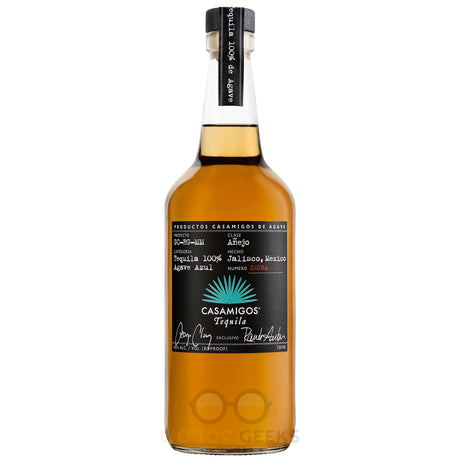
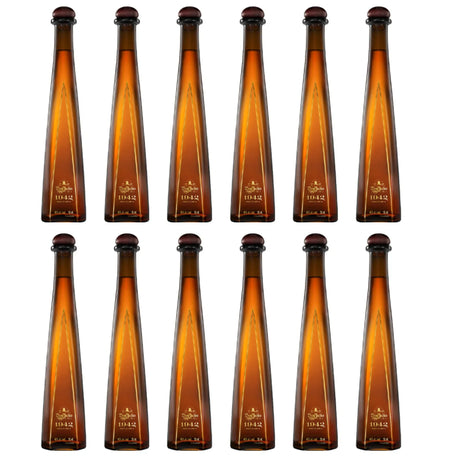
Your choice between mezcal and tequila often comes down to context and mood. Reach for tequila when you want reliability and refreshment. A blanco expression like 123 Organic Tequila Blanco #1 is pure agave character with clean citrus notes. For widely available smoothness, Casamigos Blanco delivers approachable appeal. Aged tequilas suit sipping neat—reposado sits in barrel for months, taking on vanilla and oak, while anejo offers richer oak influence and deeper complexity.
Choose mezcal when curiosity leads and tequila familiarity breeds confidence. Mezcal is your next frontier. Its complexity rewards slow sipping and reflection. Gifting? Tequila feels accessible; mezcal feels adventurous. Ultimately: casual occasions demand tequila's sociability. Quiet evenings ask for mezcal's contemplation. Both celebrate agave mastery—just in different registers.
Mezcal Starter Expressions
If mezcal intrigues you, entry-level bottles exist to ease the transition from tequila.
Look for mezcal joven or mezcal blanco expressions—these are unaged, letting you taste the agave and production method without oak overlay. Many sit at accessible price positions and represent genuine tradition rather than tourist bottles. Seek producers who highlight their certification and production method on the label—these transparency markers often correlate with quality and minimal additives.
Entry-level mezcals often use espadin agave, the most approachable variety, and come from established Oaxacan producers who've built their reputation across generations. These aren't compromises; they're gateways. A solid mezcal joven teaches you what smoke, minerality, and earth taste like without overwhelming your palate. Some producers offer entry-level aged mezcals too. A mezcal reposado—aged a few months in wood—bridges tequila familiarity with mezcal's singular character. Avoid assuming more expensive means better. Mezcal culture celebrates small producers, regional specificity, and storytelling; a modestly positioned bottle from a family-run Oaxacan palenque (mezcal distillery) often carries more character than a slick, mass-marketed alternative.
Pairing and Appreciation
Mezcal's smoke and mineral depth pair exceptionally with Mexican and Latin American cuisine—think carne asada, mole, rich seafood preparations. Tequila's cleanliness shines alongside ceviche, fresh salsas, and lighter fare. But these are guidelines, not rules. A smoky mezcal reposado next to dark chocolate? Transcendent. A tequila anejo with aged cheese? Absolutely. The best approach: taste each spirit intentionally before pairing. Notice how smoke sits on your palate. Observe how citrus brightens your mouth. Let each sip teach you. Mezcal and tequila aren't competitors—they're complements. A serious home bar holds both, recognizing that agave's gifts express themselves differently depending on how and where that agave was grown, roasted, and distilled.
Frequently Asked Questions
Is all mezcal smoky?
Most mezcal carries smoke because of traditional pit-roasting, but intensity varies wildly. Some mezcals are subtly smoky; others announce it prominently. Aged mezcals sometimes mask smoke with oak influence. The best advice: taste several expressions to find your smoke threshold. Smoke isn't a flaw—it's mezcal's signature characteristic, one that some love and others need time to appreciate.
Can I use mezcal in place of tequila in cocktails?
Yes, but the result changes fundamentally. Mezcal's smoke and funk rewire a margarita from bright and refreshing to complex and moody. Mezcal's layered character can overwhelm delicate, citrus-forward cocktails but shines beautifully in bold, spirit-forward drinks. Experiment rather than substitute—you may discover new favorite variations.
Why is mezcal often more expensive than tequila?
Mezcal's smaller production volumes, artisanal methods, and agave scarcity—especially for wild varieties that take decades to mature—drive cost. Many mezcals are genuinely more labor-intensive than industrial tequila production. Entry-level mezcal and quality tequila can be price-comparable, though premium expressions in each category occupy their own stratosphere.
Which spirit is better for beginners?
Tequila, because consistency and approachability come first. Master tequila's range—blanco through anejo—building your palate before transitioning to mezcal's complex, layered personality. Tequila is the gateway; mezcal is the deeper journey beyond.
Shop Mezcal at Liquor Geeks
Explore our full mezcal collection at Liquor Geeks. Whether you're deepening your tequila knowledge or taking your first mezcal steps, we've curated bottles from trusted producers. Shipping rules vary by state—check our shipping eligibility page before ordering.