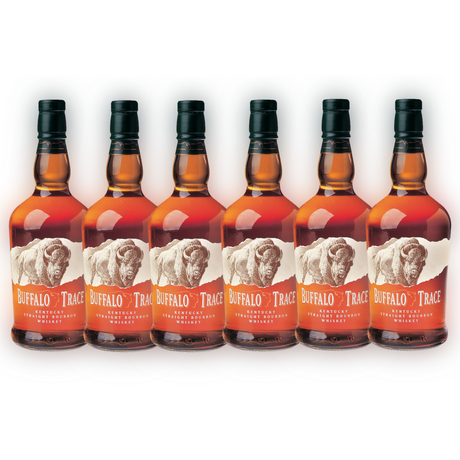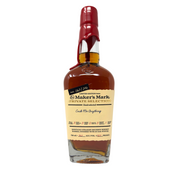

If you're serious about whiskey bottles, you know that building a world-class shelf isn't about chasing hype—it's about understanding allocation scarcity, production philosophy, and the retailers who actually stock the bottles collectors pursue. This guide tours 15 investment-grade whiskey bottles currently on our shelves, each chosen for its collector appeal, secondary-market standing, and role in a refined home bar. From Pappy Van Winkle's wheated-bourbon legacy to Glenfiddich's ultra-premium single malts, we'll walk through what serious collectors build toward today.
The Pappy Van Winkle Phenomenon and Wheated-Bourbon Allocations
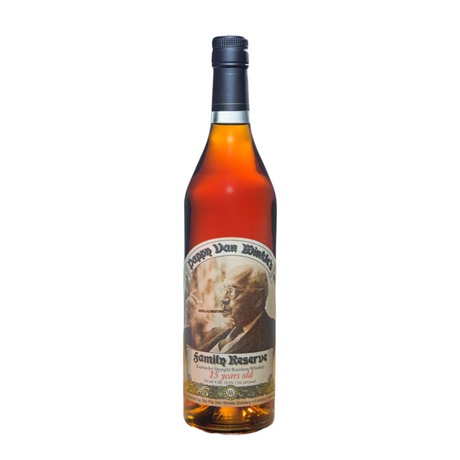
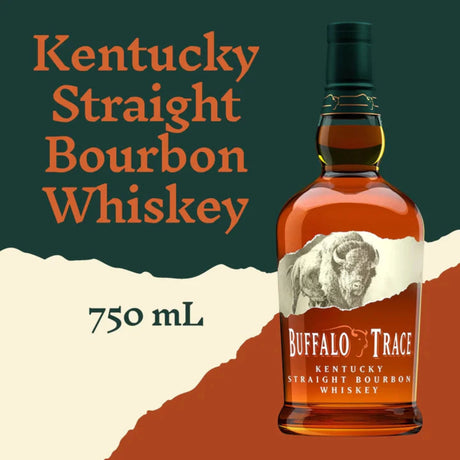
Pappy Van Winkle 15 Year is the most visible allocation-only release in American bourbon. Every retailer faces the same production constraint: the wheated recipe—wheat instead of rye as the secondary grain—draws from finite inventory aged at Buffalo Trace. When a bottle lands on our shelves, collectors know it's genuine stock.
What makes the Pappy Van Winkle 15 Year Kentucky Straight Bourbon central to collector strategy is that the wheated profile—soft, rounded, less peppery than rye-forward bourbons—hits a specific target that transcends trend. Fifteen years in charred oak yields caramel, oak spice, and a finish that collectors use as a baseline to measure other wheated releases. The bottle's allocation status means secondary-market activity tracks it closely, making it a genuine collector reference point.
Accessible Premium Bourbons: The Gateway Tier
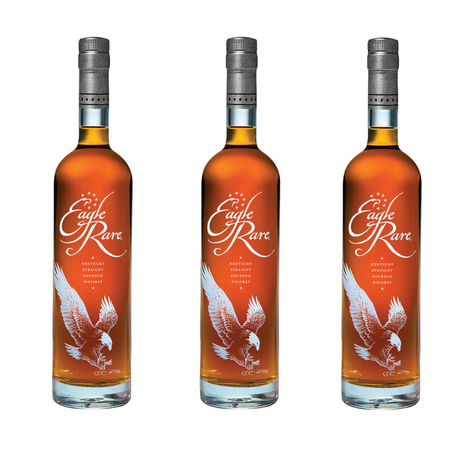
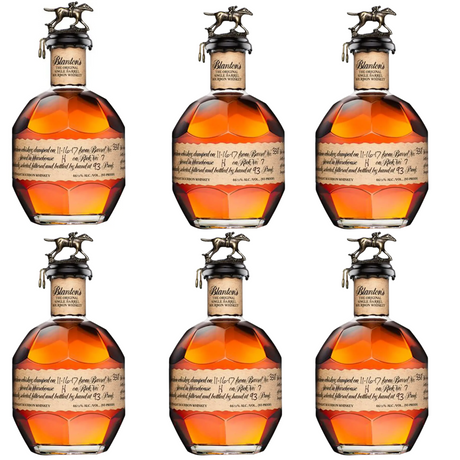
Every serious collection builds on foundation bottles first. Three expressions define the mid-range tier where collectors begin: Eagle Rare 10 Year, Colonel E.H. Taylor Small Batch, and Blanton's Single Barrel Bourbon.
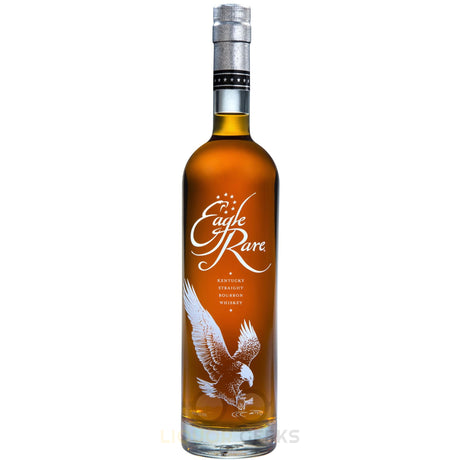
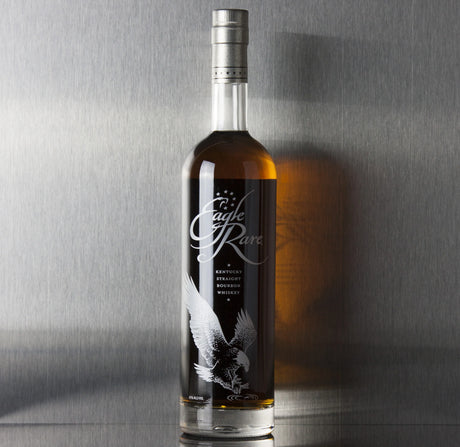
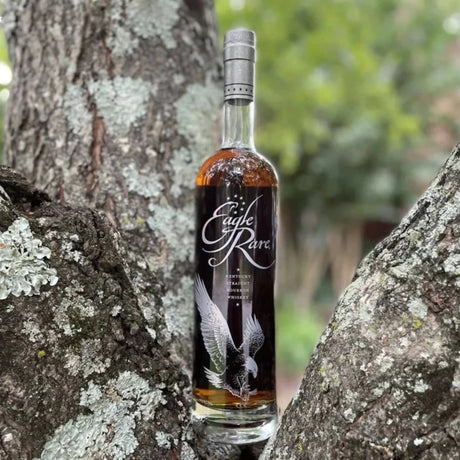
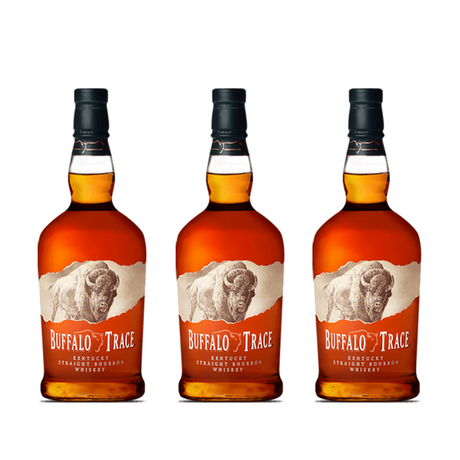
Eagle Rare delivers consistent quality with a straightforward story: ten years in Buffalo Trace warehouses, single-barrel selections without heavy-handed processing. Collectors value this for historical consistency—older bottles trade with respect in secondary markets, meaning your collection doesn't depreciate as new expressions drop.
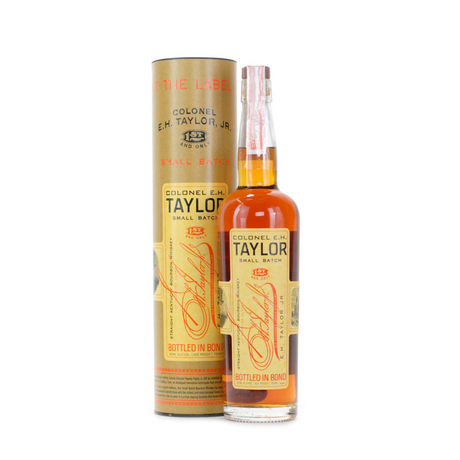
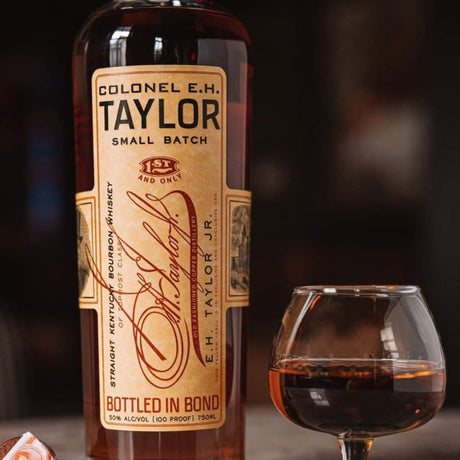
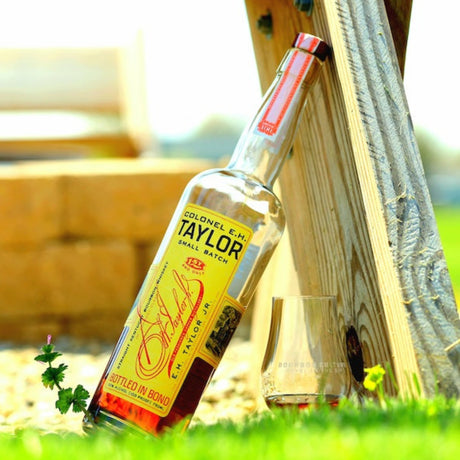
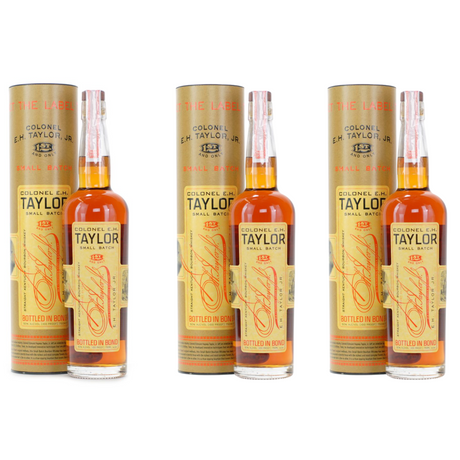
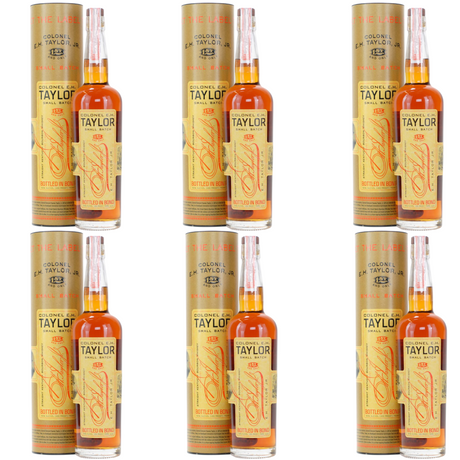
Colonel E.H. Taylor represents Buffalo Trace's house style on a high-rye mashbill that emphasizes spice and structure. At 100 proof, it sits at a collector-friendly sweet spot—enough heat to preserve oils, not so high it demands water. Small-batch designation means it's blended from a limited, curated pool rather than massive production runs.
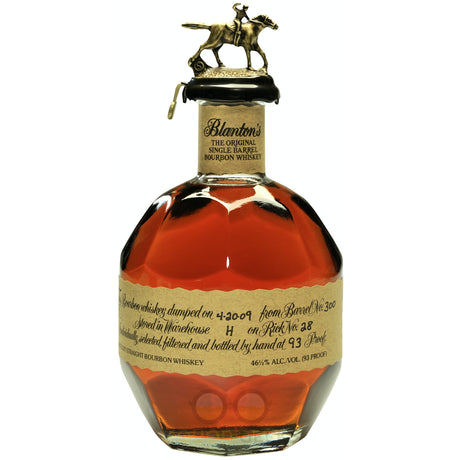
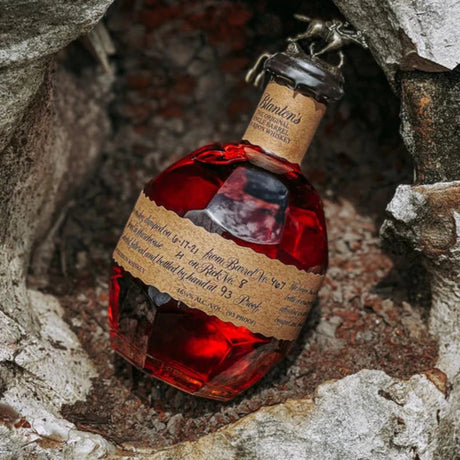
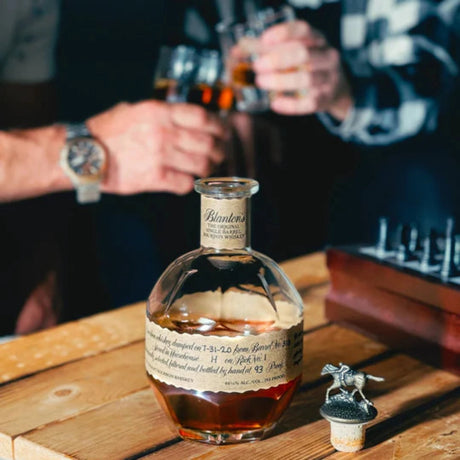
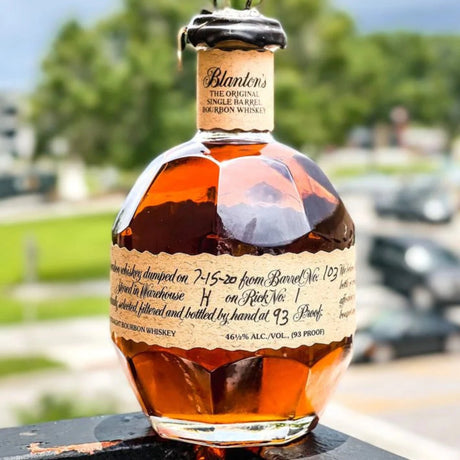
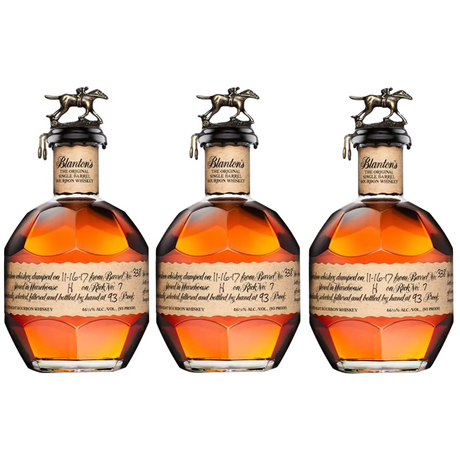
Blanton's Single Barrel holds unique historical weight: it was the first commercially marketed single-barrel bourbon (1984), category-creating. Each barrel is individually proofed and bottled, so variation exists from cork to cork—part of the appeal for collectors building diverse shelves.
Single-Barrel and Cask-Strength Depth
Sophistication rises when collectors add single-barrel and uncut expressions. Elmer T. Lee Single Barrel and W.L. Weller Full Proof at 114 Proof represent two distinct strategies at this tier.
Elmer T. Lee honors the Master Distiller who built the single-barrel category. Each release is non-chilled filtered and bottled at proof. The sour-mash notation tells you the production technique (distiller's backset in the mash bill), which collectors recognize as canonical for Buffalo Trace. It's a smaller-volume release than Blanton's, often overlooked by casual buyers, signaling deep whiskey knowledge.
W.L. Weller Full Proof is uncut (barrel proof) and unfiltered, preserving oils, tannins, and color variation that cask-strength releases showcase. At 114 proof, collectors get authentic barrel intensity without compromise. Proof requires respect, and unfiltered nature means clarity variation batch-to-batch—authenticity markers serious collectors expect.
Scotch Single Malts and the Investment-Grade Conversation
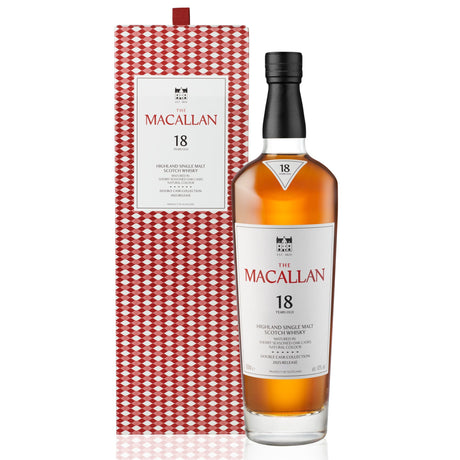
American bourbon dominates collector retail, but Scotch single malts claim equally serious ground. Glenfiddich 26 Year Old Grande Couronne and Johnnie Walker Blue Label represent two distinct Scotch collector strategies.
Glenfiddich 26 Year Old Grande Couronne is limited, aged 26 years in Speyside warehouses and finished in ex-cognac casks. The cognac finish introduces fruit, spice, and silky texture contrasting Glenfiddich's light, honey-forward house style. Collectors pursue this because age-statement expressions above 20 years are production-limited by inventory scarcity. The Grande Couronne designation places it between younger releases and the 30-year—collector-tier in production volume and secondary-market recognition.
Johnnie Walker Blue Label is blended Scotch (not single malt), composed from rare, long-aged malts and grain whiskies across Scotland. Collectors recognize Blue Label as the house flagship blend, comparable to Pappy's bourbon role—production-limited with respect across the category. Its consistent year-to-year formulation appeals to collectors valuing reliability; older Blue Label bottles from different decades still command secondary-market premiums because the expression itself is iconic.
Irish Whiskey and Alternative Collector Selections
Irish whiskey has grown to a mainstream collector segment. Knappogue Castle Single Malt 12 Year with Barolo Finish exemplifies the category's sophistication. Produced in County Clare using copper pot stills and non-chilled filtration (which maximize flavor density), the Barolo finish ages casks from Italian Piedmont, introducing tannin structure and dark-fruit complexity Irish whiskey's triple-distillation doesn't naturally yield. For collectors, the Barolo finish tells an artisanal story—limited, intentionally designed for sipping. The 12-year statement means mature but not ultra-aged, making it a strategic entry point into premium Irish single malts.
Building Your Collector's Shelf: Strategy Over Speculation
Every serious collector knows that a world-class shelf isn't built overnight. Most successful collections follow a progression: start with accessible premium bourbons (Eagle Rare, Colonel E.H. Taylor, Blanton's) to develop your palate and understand what production methods and mashbills you prefer. From there, add single-barrel and cask-strength expressions (Elmer T. Lee, Weller Full Proof) to deepen technical knowledge. Only then add allocation-only releases like Pappy, which require both capital and patience to acquire.
On the Scotch and Irish side, avoid chasing age statements purely for numbers. A 26-year-old Glenfiddich matters because of finish strategy and production limits, not because the number is large. Smart collectors focus on production philosophy—why this cask, why this finish, why now?—rather than raw age or ABV claims.
Finally: avoid fakes. Buy from established retailers like Liquor Geeks who warehouse verified stock and can trace provenance. Pappy, Stagg Jr., and other allocation releases face sophisticated counterfeit operations. A collection's credibility depends on every bottle being sourced from a chain you can verify.
The Collector's Reference: Current On-Shelf Inventory
Right now, we're holding several allocation-grade releases and a full range of collector-foundation bottles. Pappy Van Winkle 15 Year sits in extremely limited quantities (1 bottle available), signaling genuine allocation scarcity. Elmer T. Lee moves slowly on our shelves because it's collector-class with minimal marketing—exactly what seasoned collectors specifically request. In contrast, Eagle Rare (60 bottles in stock) and Colonel E.H. Taylor Small Batch (77 bottles) sit in comfortable inventory, reflecting their foundation-tier role.
Glenfiddich 26 Year Old Grande Couronne is ultra-rare (1 bottle available), another signal of production-level scarcity that collectors recognize. When a 26-year-old single malt appears, collectors don't wait—secondary market will price it significantly higher within weeks. That's not speculation; it's economics of scarcity meeting collector demand.
Frequently Asked Questions
What makes a whiskey bottle "investment-grade"?
Investment-grade whiskey combines production scarcity (limited bottling runs), secondary-market recognition (collectors consistently bid for the release), and production integrity (authentic aging, no cost-cutting). Allocation-only releases like Pappy Van Winkle and Elmer T. Lee qualify because their production is rationed by the distillery. Age-statement releases above 18 years on limited finishes (like Glenfiddich 26 with Barolo cask) qualify because inventory scarcity is baked into the aging timeline.
Should I collect bourbon or Scotch—or both?
Both. A mature collection reflects American whiskey's innovative production methods (single-barrel, cask-strength, alternative mashbills) and Scotch's regional terroir and cask-finishing sophistication. Bourbon offers allocation scarcity; Scotch offers age-statement rarity. Collectors who ignore either category miss half the story.
How do I avoid counterfeit bottles?
Buy from established retailers with verified inventory chains. Fake Pappy and Stagg Jr. bottles are sophisticated enough to fool casual drinkers. Know your retailer's sourcing—ask where they acquired allocation releases and whether they stand behind authenticity. Liquor Geeks publicly tracks inventory and can trace every bottle's provenance.
Should I open collector bottles or keep them sealed?
This depends on your goal. If you're a collector-drinker, open bottles when ready—whiskey is made for drinking. If you're focused on secondary-market appreciation, sealed bottles with intact provenance hold value better. Make this choice consciously. A balanced shelf includes both approaches.
What's the difference between allocation bourbon and readily available bourbon?
Allocation bourbon (Pappy Van Winkle, Elmer T. Lee) is limited by distillery production—retailers receive only a handful per cycle. Readily available bourbon (Eagle Rare, Colonel E.H. Taylor, Blanton's) is produced in larger quantities and restocks regularly. Allocation creates scarcity premiums; readily available bottles hold value through consistent quality and collector reputation rather than rarity.
Shop Premium Whiskey Bottles at Liquor Geeks
Browse our full rare bottles collection, which includes the allocation-grade and collector-tier expressions featured here. We warehouse verified inventory and can walk you through provenance on any release. Shipping rules vary by state—check our shipping eligibility page before ordering.