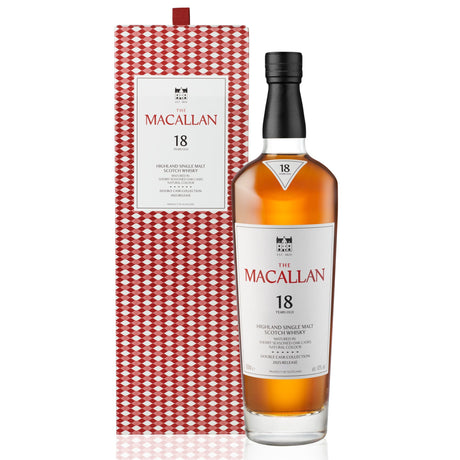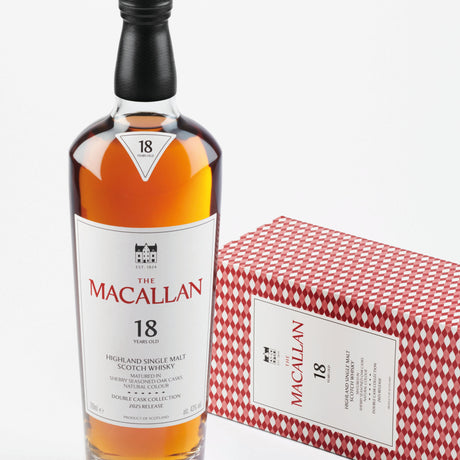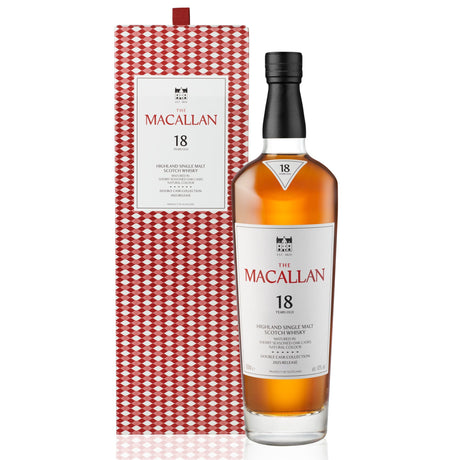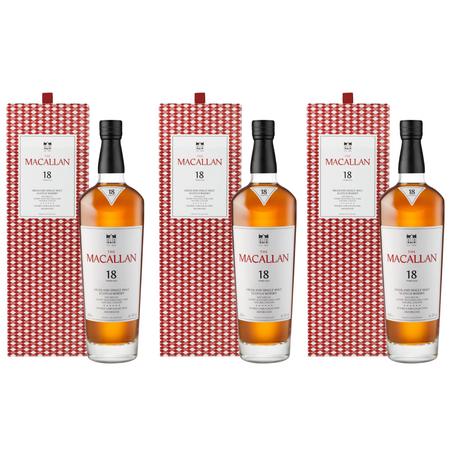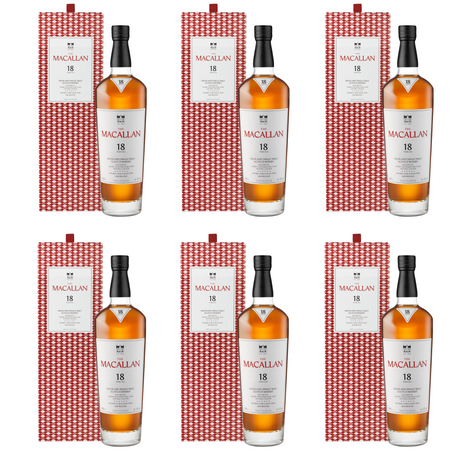

The Macallan 30 Year Sherry Oak sits at a strange intersection of the whisky market: it's old enough to be genuinely rare, famous enough to be chased by people who will never open it, and expensive enough that the question "is it worth it" gets asked more about this bottle than almost any other single malt on the shelf. As a retailer, I see both sides of that question daily — the drinker weighing it against the Macallan 25 and 18, and the collector treating it as a line item in a portfolio. This piece is about separating those two buyers, because the math is completely different for each.
What Makes the Macallan 30 Year Sherry Oak Different
Macallan built its reputation on sherry-seasoned European and American oak casks, handcrafted in Jerez and seasoned with oloroso sherry for up to two years before any spirit touches the wood. The Macallan 30 Year Old Sherry Oak is matured exclusively in those first-fill and refill sherry casks, which is a meaningfully different production philosophy than the ex-bourbon-heavy approach most Speyside distilleries use for their flagship ranges.
At 30 years, the wood influence is dominant. Expect dried fruit, dark chocolate, leather, and oak tannin that reads as structured rather than aggressive if the casks were managed well. This isn't a whisky you nose and immediately place next to a 12 or 18 year expression — the age gap changes the entire profile, not just the intensity.
Macallan 30 vs Macallan 25 vs Macallan 18: The Real Comparison
The 18 is the widest-poured of the three by a large margin, and for good reason — it's the version most drinkers can actually justify opening on a Tuesday. It has clear sherry character, good balance, and enough availability that allocation isn't the constant fight it is at 25 and 30 years.
The 25 is where the math starts to shift. Production volumes drop sharply, allocation to retailers tightens, and the price step-up from 18 is steeper than the age-statement jump alone would suggest — that's rarity pricing, not just liquid quality. The 30 pushes that same dynamic further still. In blind comparisons I've sat through, plenty of experienced tasters actually prefer the 25 on pure drinking merit; the 30 wins on depth and rarity, not universal palate appeal.
Where the Money Really Goes
Every additional year in cask means evaporation loss (the "angel's share"), longer capital lockup for the distillery, and a shrinking pool of casks that were laid down decades ago. None of that guarantees a better dram — it guarantees a scarcer one. Collectors pay for scarcity; drinkers should be paying for what's in the glass.
Sherry Oak vs Double Cask at 30 Years
Macallan also releases a Macallan Double Cask 30 Year Old, which blends American oak sherry-seasoned casks with European oak sherry-seasoned casks rather than relying on the traditional Sherry Oak range's cask profile alone. The result is lighter, with more vanilla and citrus lift alongside the dried-fruit backbone, versus the denser, more tannic character of the standard Sherry Oak 30.
If you're choosing between the two 30-year expressions rather than between age statements, this is really a style question, not a quality one. Double Cask drinkers tend to also like Highland Park's sherry releases; Sherry Oak loyalists tend to gravitate toward heavier, more Christmas-cake-forward drams like GlenDronach's older releases.
The Secondary Market Reality
Allocated Macallan age statements at 25 and 30 years rarely sit on a shelf long, and when they do trade on the secondary market, prices swing based on release year, cask strength versus standard proof, and even packaging generation. That volatility is exactly why I won't hang a hard number on this bottle in an article — whatever figure is accurate today will be stale in a matter of months, and secondary-market listings routinely diverge from retail pricing in either direction depending on regional demand.
What doesn't change is the allocation dynamic. Distilleries release these age statements in limited annual batches, retailers receive a fraction of what they'd sell if supply were open, and that scarcity is the actual price driver — not a jump in production cost or a change in the whisky itself.
Collector Math vs Drinker Math
For a collector, the 30 Year Sherry Oak's appeal is straightforward: it's a recognized, long-tenured age statement from a distillery with a track record of secondary-market strength. The math is about acquisition cost versus expected appreciation, condition, and provenance — not flavor.
For a drinker, the math has to include opportunity cost. The gap between an 18 and a 30 buys you meaningfully more depth, but it does not buy you three times the enjoyment, and past a certain point the returns on additional age flatten out. A drinker chasing pure sensory value is often better served putting that same budget toward a handful of well-chosen premium age-stated bottles across different distilleries — Highland Park 25, GlenDronach 21, or a well-aged Japanese single malt — rather than one collector-tier release.
Who Should Actually Buy This Bottle
Buy the Macallan 30 Sherry Oak if you're building a serious Macallan vertical, if you have genuine occasion-driven reasons to open something at this tier, or if you understand and accept the collector math above. Skip it — and buy the 18 or 25 instead — if your goal is simply the best whisky-to-enjoyment ratio for the money. There's no wrong answer here, but there is a wrong reason: buying the 30 because you assume older automatically means better. It means older, seasoned differently, and scarcer. Better is a separate, more personal question.
Frequently Asked Questions
Is the Macallan 30 Year Sherry Oak better than the Macallan 25?
Not universally. The 30 has more wood depth and dried-fruit intensity, but many experienced tasters rate the 25 as more balanced on the palate. The 30's premium reflects scarcity as much as it reflects a flavor upgrade.
What's the difference between Macallan Sherry Oak and Double Cask at 30 years?
Sherry Oak is matured entirely in sherry-seasoned casks and leans denser and more tannic. Double Cask blends American and European oak sherry casks for a lighter profile with more vanilla and citrus alongside the dried fruit.
Why is Macallan 30 so hard to find?
Annual production volumes at this age statement are small, allocation to retailers is limited, and evaporation loss over three decades in cask further reduces the usable yield per barrel. Retailers typically receive only a fraction of demand each release cycle.
Should I drink or collect a Macallan 30?
That depends on your goal. Collectors focus on provenance, condition, and secondary-market positioning. Drinkers should weigh the incremental flavor gain over the 18 and 25 against the cost, since returns on additional age flatten out well before 30 years.
Does cask strength differ between Macallan 30 releases?
Standard Sherry Oak and Double Cask 30 releases are typically bottled at standard proof rather than cask strength, though special editions and travel-retail exclusives sometimes vary. Always check the specific release's stated ABV before buying.
Shop Whiskey at Liquor Geeks
Browse both the Macallan 30 Year Sherry Oak and the Macallan Double Cask 30 Year Old to compare cask profiles directly. Shipping rules vary by state — check our shipping eligibility page before ordering.