
Orange curaçao shows up in more holiday cocktails than any other liqueur behind the bar, yet most home bartenders grab whatever triple sec sits closest to the register without knowing why the category splits into tiers. Between Thanksgiving and New Year's Eve, orange liqueur anchors the Sidecar, the Cosmopolitan, an Old Fashioned variation or two, and both the classic and blue-hued Margarita riffs that dominate December menus. Below is a ranked look at the triple sec hierarchy, five cocktails built for the season, and the measuring habits that keep a home bar consistent from the first Thanksgiving pour to the last toast of the year.
What Sets Orange Curaçao Apart From Triple Sec
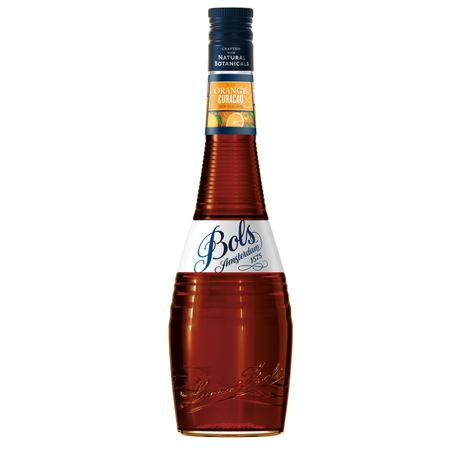
"Triple sec" is a generic term for any dry, colorless-to-amber orange liqueur; "curaçao" specifically references the bitter laraha orange grown on the island of Curaçao, and historically implies a rounder, less purely sweet orange character than a basic well-tier triple sec. In practice, most orange curaçao on the market today is made from a blend of sweet and bitter orange peels rather than laraha exclusively, but the name still signals a step up in depth. Bols Orange Curaçao is a good example of the style done properly — it's built on a rum base rather than a neutral spirit, which gives it a faint warmth that a straight orange triple sec won't have.
That base spirit matters more than most recipes let on. A rum-based curaçao like Bols will read slightly richer in a Sidecar than a neutral-spirit orange liqueur, while a straightforward triple sec keeps a drink brighter and more citrus-forward. Neither is wrong; they're just different tools, and knowing which one you're holding changes how much lemon or lime juice you need to keep a cocktail balanced.
The Triple Sec Hierarchy, Ranked by a Bartender
Here's how the category actually stacks up on a bar cart, from everyday mixer to specialty bottle:
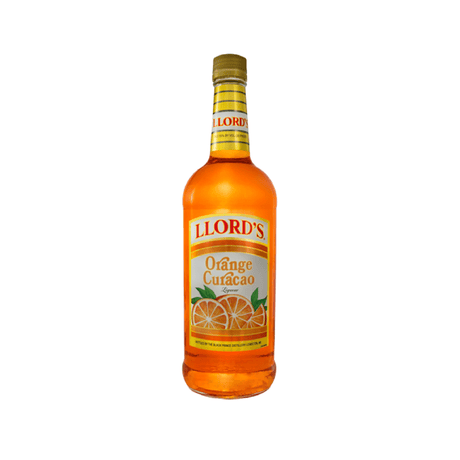
Entry-level orange liqueurs — Hiram Walker Curaçao Orange and Llord's Orange Curaçao both sit here. These are reliable, straightforward orange liqueurs meant for volume use — punch bowls, batch cocktails, or any recipe where the orange note should support the drink rather than star in it. They're the ones to keep stocked for a crowd.
Mid-shelf, rum-based curaçao — Bols Orange Curaçao lands here. The rum base adds a layer of complexity that's worth the upgrade in a cocktail where the orange liqueur is doing real work, like a Sidecar or a Margarita where you want more than one-note sweetness.
Cognac-based orange liqueurs — brands built on cognac rather than neutral spirit or rum sit at the top of the hierarchy and are worth reaching for when a cocktail's orange component needs to carry real weight, such as a top-shelf Sidecar or Margarita served for a special occasion. They're pricier by nature of the base spirit, so save them for drinks where you'll actually taste the difference rather than a punch bowl.
For blue curaçao, the same base-spirit logic applies, but color takes over as the deciding factor for most home bartenders: Dekuyper Curaçao Blue and Llord's Blue Curaçao are both solid, food-coloring-driven versions of the same orange liqueur base, meant for visual impact in a handful of specific drinks rather than everyday substitution.
Three Cocktails for Your Thanksgiving Bar Cart
The Sidecar
Add 1.5 oz cognac, 1 oz Bols Orange Curaçao, and 0.75 oz fresh lemon juice to a shaker with ice. Shake hard for 10–12 seconds, strain into a chilled coupe. A sugared rim is traditional but optional — with a rum-based curaçao like this one, the drink already carries enough roundness that some bartenders skip it entirely.
Cranberry Cosmopolitan
Combine 1.5 oz citrus vodka, 0.75 oz Llord's Orange Curaçao, 0.5 oz fresh lime juice, and 0.5 oz unsweetened cranberry juice. Shake with ice and double-strain into a chilled coupe. The unsweetened cranberry juice matters here — sweetened cocktail blends push the drink over the edge once the orange liqueur's sugar is factored in.
Orange-Kissed Old Fashioned
Stir 2 oz bourbon, 0.25 oz Hiram Walker Curaçao Orange, and 2 dashes aromatic bitters with ice for about 30 seconds. Strain over one large cube and express an orange peel over the top before dropping it in. The curaçao replaces the simple syrup a standard Old Fashioned calls for, so don't add extra sweetener on top of it.
Two Cocktails to Close Out December
Winter Margarita
Shake 2 oz blanco tequila, 1 oz Llord's Orange Curaçao, and 1 oz fresh lime juice with ice. Strain into a rocks glass over fresh ice, salted rim optional. Using an orange curaçao instead of a plain triple sec gives the Margarita a slightly fuller body that holds up well against richer December food pairings.
Blue Curaçao Snow Fizz
Shake 1.5 oz gin, 0.75 oz Dekuyper Curaçao Blue, and 0.75 oz fresh lemon juice with ice, strain into a highball glass over fresh ice, and top with 2 oz chilled club soda. The pale blue color reads as festive without leaning on green or red, which makes it a useful option for a party where you want a holiday-adjacent drink that isn't literally red-and-green themed.
Bartender Tips for Stocking and Storing Orange Liqueur
Orange liqueurs don't need refrigeration once opened, but they'll hold their aromatics longer stored upright, away from direct light, with the cap tightened between uses — the same rules that apply to most liqueurs in the 15–30% ABV range. A bottle opened for a holiday party in late November should still taste fine through New Year's if it's kept this way.
On measuring: invest in an actual jigger rather than eyeballing pours, especially with orange liqueurs, since their sugar content swings a cocktail's balance more than most spirits do. A quarter-ounce over on curaçao in an Old Fashioned variation is enough to flatten the drink. If you're building a punch bowl for a larger gathering, scale the entry-level bottles like Hiram Walker or Llord's rather than a rum- or cognac-based curaçao — the difference in character mostly disappears once a recipe is diluted across a full bowl and multiple garnishes.
One more substitution note: orange curaçao and plain triple sec aren't always a clean 1:1 swap. Because curaçao (especially rum- or cognac-based versions) tends to carry more body and a touch more sweetness, recipes written for a basic triple sec may need slightly less citrus juice to stay balanced once you swap in a curaçao. Taste and adjust in quarter-ounce increments rather than following any recipe blindly.
Frequently Asked Questions
What's the actual difference between orange curaçao and triple sec?
Triple sec is a generic category of dry orange liqueur, while curaçao traditionally references orange liqueur associated with the island of Curaçao and its bitter laraha peels. In practice, curaçao often has a rounder flavor, particularly when built on a rum or cognac base rather than neutral spirit.
Can I substitute blue curaçao for orange curaçao in a recipe?
Flavor-wise, yes — blue curaçao is the same orange liqueur base with blue coloring added, so it works in any recipe calling for orange curaçao. Just expect the finished drink to turn blue or teal, which only suits certain presentations.
Do I need to refrigerate opened orange curaçao?
No. Keep it capped, upright, and out of direct sunlight at room temperature. Refrigeration isn't necessary at this proof range, though some bartenders like keeping it cold for a firmer pour in shaken drinks.
Which orange curaçao is best for a holiday punch bowl?
An entry-level bottle like Hiram Walker Curaçao Orange or Llord's Orange Curaçao is the practical choice for punch — the orange character comes through fine once diluted across a full bowl, and there's no reason to use a pricier, more complex bottle where the nuance will get lost.
Is Bols Orange Curaçao the same as regular orange liqueur?
It's built on a rum base rather than neutral spirit, which sets it apart from most standard orange liqueurs on the shelf. That base gives it a rounder, slightly warmer character worth reaching for in cocktails like the Sidecar where the orange liqueur is a lead ingredient rather than a background note.
Shop Orange Curaçao and Triple Sec at Liquor Geeks
Browse our current lineup of orange and blue curaçao, from entry-level bottles for punch bowls to Bols Orange Curaçao for cocktails where it needs to carry more weight. Shipping rules vary by state — check our shipping eligibility page before ordering so your holiday bottles arrive in time.