If you've typed "organic gin" and "heavy metals" into a search bar wondering whether lead, arsenic, or cadmium could be hiding in your bottle, the short answer from the actual testing data is reassuring, but the full picture is more nuanced than any certification seal can tell you on its own. Before you pay extra for an organic label expecting it to double as a contamination guarantee, it's worth understanding what the published research on spirits actually found, what organic certification does and doesn't test for, and where real heavy-metal risk in alcohol tends to show up.
What the Actual Testing Data Shows
A 2020 study published in Regulatory Toxicology and Pharmacology analyzed heavy metal levels in both "recorded" spirits (legally produced, licensed, and taxed products including gin, vodka, whiskey, rum, and tequila) and "unrecorded" spirits (homemade, smuggled, or otherwise untaxed alcohol) using inductively coupled plasma optical emission spectrometry. The results split cleanly along that line: in the recorded, commercially bottled samples, lead came back below the limit of quantitation and no cadmium was detected at all. The concerning numbers showed up almost exclusively in the unrecorded category.
A separate analysis of locally and informally produced dry gin in Nigeria told a similar story from the other direction. Samples from small, unlicensed production operations showed arsenic, mercury, and lead concentrations well above WHO permissible limits for drinking water and alcoholic beverages. That's a serious finding, but it describes informal, unregulated distilling, not the licensed gin brands sitting on a retail shelf. The pattern across both studies is consistent: heavy metal contamination in spirits correlates with how and where a product is made and regulated, not with whether the word "organic" appears on the label.
What "Organic" Actually Certifies (And What It Doesn't)
USDA Organic and the EU's organic regulation both govern agricultural inputs and processing methods: no synthetic pesticides or fertilizers on the botanicals, no GMOs, approved processing aids, and a documented chain of custody from farm to bottle. What neither standard requires is a mandatory heavy-metal lab test on every finished bottle before it can carry the organic seal. Certifying agents do have the authority to sample and test for prohibited residues, including heavy metals, and regulations require certifiers to inspect at least 5% of the operations they certify each year, but that's discretionary spot-checking, not a guaranteed contaminant screen printed into every certification.
In practical terms, organic certification is a strong signal about farming practices and ingredient sourcing. It is not, by itself, evidence that a bottle has been independently tested for lead, arsenic, or cadmium. If heavy metals are your specific concern, organic labeling alone doesn't answer the question either way.
Where Heavy Metal Risk Actually Comes From in Spirits
The real-world sources of contamination are fairly well documented, and gin itself is rarely the culprit. The classic case is lead solder in improvised stills, including the historic practice of repurposing car radiators for home distilling, which is why illicit moonshine has such a well-earned reputation for lead contamination. Contaminated local water used for proofing down a spirit is another pathway, as is root-heavy botanical material grown in metal-laden soil, a concern more thoroughly studied in agave for tequila and mezcal but relevant to any gin leaning on roots or tubers. Long-term storage in antique lead crystal decanters is a separate, consumer-side risk that has nothing to do with the distillery: lead can leach into spirits that sit in crystal for extended periods, so that beautiful decanter is better used for serving than for months of display storage.
Why a Licensed, TTB-Regulated Bottle Is Already a Good Baseline
In the US, every gin sold at retail has gone through the Alcohol and Tobacco Tax and Trade Bureau's formula and label approval process, which requires distillers to disclose ingredients and additives and keep traceable production records. That process isn't a routine heavy-metal assay on every batch, but it does mean the bottle in front of you is, by definition, a "recorded" spirit in the same category the 2020 study found to be clean of detectable lead and cadmium. The gap between recorded and unrecorded production is exactly where the real risk lives, so buying from a licensed distillery through a licensed retailer already puts you on the safer side of the data, independent of any organic claim.
Smart Ways to Shop If Heavy Metals Are a Genuine Concern
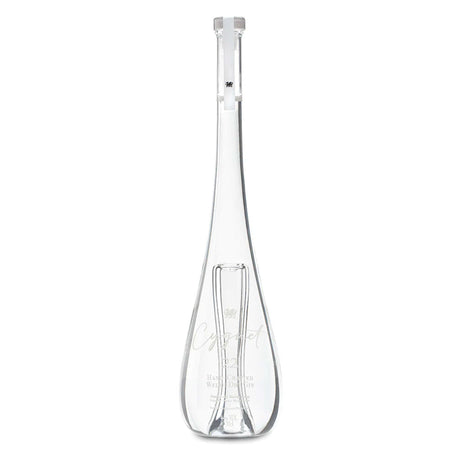
A few habits do more for your peace of mind than chasing a label. Favor established distilleries that disclose their botanical lists and production methods on the bottle or product page over anonymous third-party sellers with no traceable history. If organic matters to you specifically, look for the actual USDA Organic or EU organic seal rather than softer marketing language like "all natural," which carries no certification behind it at all. Transparency about botanical count and sourcing is a reasonable proxy for a distiller that takes quality control seriously: Cygnet Dry Gin lists all 22 of its botanicals including Manuka honey and chamomile, and Warners Rhubarb Gin comes from a UK farm distillery that's open about growing its own botanicals on site. Finally, decant for serving, not for storage, if you own vintage lead crystal barware.
Spotlight: A Few Well-Documented Gins to Start With
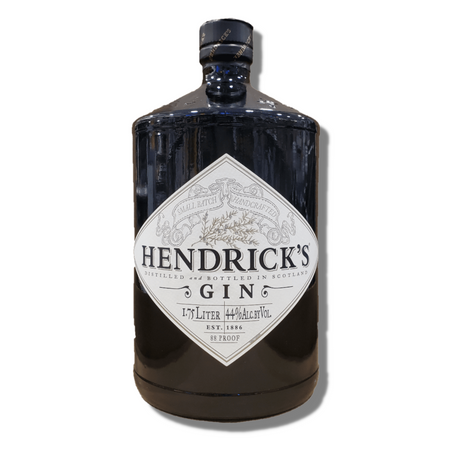
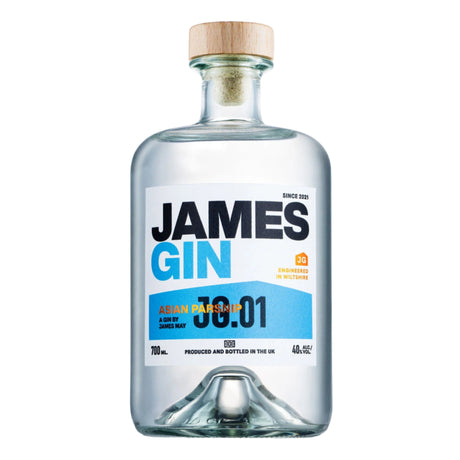
Hendrick's Gin comes from an established Scottish distillery with a long, well-documented production history, which is the kind of traceability that matters more than a marketing claim. If you want to see how playful gin can get while still coming from a licensed, accountable producer, James Gin's series is a useful case study: Asian Parsnip leans on ginger, cardamom, and grains of paradise, while London Drizzle builds around beetroot and lovage. Neither carries an organic certification, and that's the point of this piece: the responsible way to shop isn't to filter for one label, it's to buy from producers who are transparent about what's in the bottle and accountable to a regulator who can trace it back to them.
Frequently Asked Questions
Does organic certification mean a gin has been tested for heavy metals?
Not automatically. USDA Organic and EU organic standards govern farming and processing inputs, not finished-product heavy-metal testing. Certifiers can sample for prohibited residues including heavy metals, but it's discretionary spot-checking rather than a test guaranteed on every certified bottle.
Can distillation remove lead, arsenic, or cadmium from gin?
Well-run pot distillation in a properly maintained still generally leaves non-volatile metals like lead and cadmium behind in the still pot rather than carrying them into the final spirit, which is consistent with the 2020 study finding both below detection in licensed, recorded spirits.
Where do heavy metal risks in spirits typically come from?
The documented sources are lead solder in improvised or homemade stills, contaminated water used for proofing, metal-laden soil affecting root-heavy botanicals, and long-term storage in antique lead crystal decanters, not licensed commercial gin production.
Is there public testing data confirming heavy metal problems in major gin brands?
No. The published research found heavy metal contamination concentrated in unrecorded, informally produced spirits, not in licensed, commercially bottled gin, vodka, whiskey, rum, or tequila sold through regulated retail channels.
What should I actually look for when choosing a gin if this concerns me?
Buy from licensed distilleries that disclose their botanicals and production methods, purchase through licensed retailers rather than unverified third parties, and if organic matters to you, confirm an actual USDA Organic or EU organic seal rather than unregulated marketing language.
Shop Gin at Liquor Geeks
Browse our full gin collection for licensed, traceable bottles from established distilleries. Shipping rules vary by state, so check our shipping eligibility page before ordering.
By Ian Creus, Gin, Cognac & Rum Writer at Liquor Geeks.