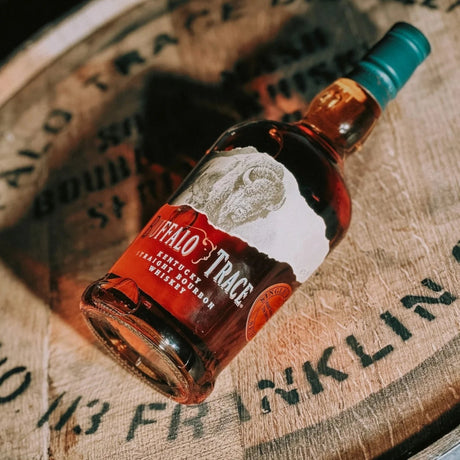
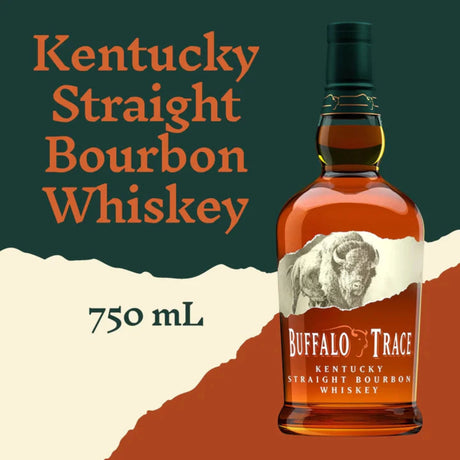
Old Charter Finest Oak is one of the more overlooked releases to come out of Buffalo Trace Distillery, and if you've never seen a bottle on a shelf, that's part of the story. This Kentucky straight bourbon revives a brand name that dates back to 1874 and uses it to run a simple, focused experiment: how much does the oak barrel itself change the whiskey inside it? For anyone who already reaches for Buffalo Trace's core bourbon on a regular basis, Finest Oak is worth understanding before the next allocation cycle comes and goes.
A Name Older Than Prohibition
The Old Charter name goes back to 1874, when Adam and Ben Chapeze introduced it in honor of one of America's most famous white oak trees. That's a detail worth sitting with, because the brand's modern revival under Buffalo Trace leans directly into it. Rather than treating oak as a background ingredient, the Old Charter Oak Finest Oak release makes the barrel the headline. Buffalo Trace has used the Old Charter Oak series over the years to isolate specific wood variables — grain orientation, seasoning time, toast level — and bottle the results as limited, small-batch releases rather than folding them quietly into a blend.
That approach puts Old Charter in a different lane than most bourbon marketing, which tends to talk about mash bill and age statement and leave the cooperage as an afterthought. Here, the oak is the point.
The Mash Bill: Same DNA as Buffalo Trace's Core Bourbon
Old Charter Finest Oak is built on the same low-rye recipe widely reported as Mash Bill #1 — the formula also used for Buffalo Trace's flagship bourbon, Eagle Rare, and Ancient Age. That's a meaningful detail for shoppers trying to place this bottle in context: you're not comparing two unrelated whiskies, you're comparing the same base spirit run through a different barrel program. Because the grain recipe is held constant, whatever flavor differences show up between Finest Oak and standard Buffalo Trace bourbon can be traced almost entirely back to the wood, the char, and the warehouse position — not to a different distillate.
Buffalo Trace doesn't publish a single fixed age statement across every Old Charter Oak release; each batch in the series has aged for a period suited to the specific oak variable being tested, and that information is printed on the label of the bottle you're holding. Check it before you buy if age is a priority for you — it can shift from release to release even though the underlying recipe doesn't.
How Finest Oak Actually Drinks
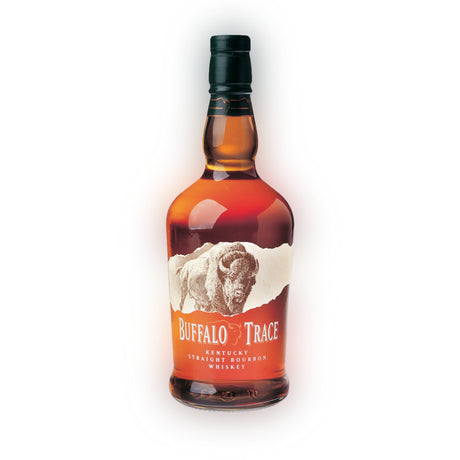
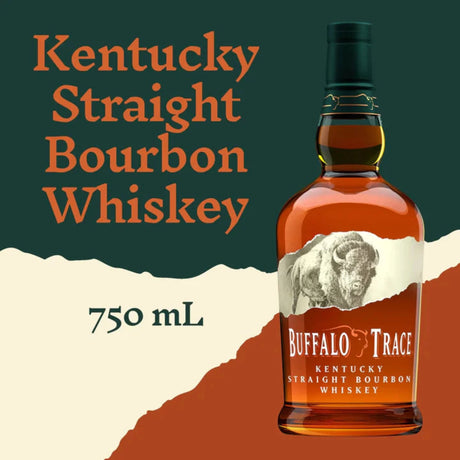
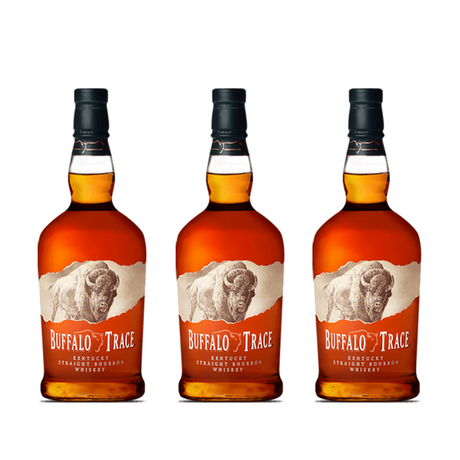
Standard Buffalo Trace bourbon is built for balance — brown sugar, mint, a little leather, an easy finish that doesn't demand much from the drinker. Old Charter Finest Oak leans further into the wood side of that equation. Expect more upfront toasted oak and vanilla on the nose, a fuller layer of caramel and baking spice on the palate, and a finish that lingers longer on char and dry wood tannin than the core expression does. It's not a heavier bourbon in terms of proof character, just a more oak-forward one — which makes sense given the entire premise of the series.
Side by Side With the Core Bottle
If you've got both in the cabinet, pour them next to each other. The Buffalo Trace bourbon will taste rounder and more restrained; the Finest Oak will taste like someone turned up the barrel influence a few notches without changing the underlying spirit. Neither is objectively better — it comes down to whether you want a whiskey that highlights grain sweetness or one that highlights the cooperage.
Why It's Hard to Find
Buffalo Trace's allocation system is well known among retailers, and the Old Charter Oak series sits squarely inside it. These aren't mass-produced bottlings meant to sit on shelves for months — they're limited-run releases distributed in small quantities, and once a store's allocation sells through, that particular batch is gone. Standard Buffalo Trace bourbon itself is already allocated in most markets; the Old Charter Oak line is a smaller slice of an already-constrained pipeline. If you see Finest Oak in stock, that's a signal worth acting on rather than assuming it'll still be there next month.
From the retail side, this is a pattern that repeats across most of Buffalo Trace's satellite brands — Eagle Rare, Blanton's, and the experimental series all move the same way. Scarcity isn't a marketing gimmick here; it's a function of limited production runs paired with steady demand.
A Smart Labor Day Value Pick
With Labor Day shopping in mind, Old Charter Finest Oak deserves a spot on the short list of bottles worth grabbing before the long weekend crowd thins out the shelf. It sits at a genuinely accessible price point relative to other allocated Buffalo Trace releases, while still delivering the kind of oak-driven complexity that usually shows up in mid-shelf or collector-tier bottlings. For a reader trying to stretch a bar budget over a holiday weekend without settling for something forgettable, this is one of the better trades available in the current allocated bourbon landscape.
It also makes a strong pour for a Labor Day gathering specifically because it invites comparison — pour it next to a bottle of standard Buffalo Trace and let guests talk through the differences themselves.
How to Drink It
Old Charter Finest Oak is built for a neutral, unadorned glass. Try it neat first, in a Glencairn or a simple rocks glass, to let the oak and vanilla notes come through clean. A single large cube will soften the tannin slightly if the finish feels too dry for your taste, but avoid drowning it — the entire appeal of this release is the barrel character, and too much dilution flattens exactly what makes it distinct from the core bottling. If you want to use it in a cocktail, keep the format simple: a classic Old Fashioned (2 oz bourbon, 1/4 oz simple syrup, 2 dashes Angostura bitters, orange peel) lets the oak-forward profile hold its own against the sweetener rather than getting buried.
Frequently Asked Questions
What is Old Charter Oak Finest Oak bourbon?
It's a limited-release Kentucky straight bourbon from Buffalo Trace Distillery, part of the Old Charter Oak series that explores how different barrel and oak variables shape bourbon flavor. It shares its base recipe with Buffalo Trace's core bourbon.
Is Old Charter Finest Oak the same as Buffalo Trace bourbon?
They're built on the same low-rye mash bill, but Finest Oak uses a different oak and barrel program, which pushes the flavor toward more toasted wood, vanilla, and char compared to the softer, more balanced core Buffalo Trace bottling.
Why is Old Charter Oak so hard to find?
It's produced in limited quantities and distributed through Buffalo Trace's allocation system, the same process that limits availability of Eagle Rare and other satellite brands. Retail stock tends to sell through quickly once a batch arrives.
What's the best way to drink Old Charter Finest Oak?
Neat or with a single large ice cube is the best way to appreciate the oak-driven profile. It also works well in a classic Old Fashioned, where the wood character holds up against the sweetener rather than disappearing.
Is Old Charter Finest Oak a good value compared to other Buffalo Trace releases?
Relative to other allocated Buffalo Trace bottlings, it typically sits at an accessible price point while still offering the kind of barrel-driven complexity found in pricier, harder-to-source releases, making it a strong pick for holiday-weekend shopping.
Shop Bourbon at Liquor Geeks
Browse our current stock of Old Charter Oak Finest Oak while allocation lasts. Shipping rules vary by state — check our shipping eligibility page before ordering.
By Joshua Gaa, Whiskey Editor at Liquor Geeks.