
Orange curaçao is the liqueur responsible for the citrus backbone in a surprising number of cocktails you already order — the Margarita, the Sidecar, and the Cosmopolitan all lean on it, even when the menu just says "triple sec." Behind the bar, the bottle in the well changes the drink more than most guests assume: a cognac-based curaçao pours drier and richer than a neutral, high-proof triple sec, and a rum-based one brings its own weight. This guide breaks down what orange curaçao actually is, how the major styles differ, and which bottles we stock that give you the most versatile pour behind your own bar.
What Orange Curaçao Actually Is
The "curaçao" liqueur category traces back to the laraha, a bitter orange grown on the Dutch Caribbean island of Curaçao — a fruit too sour to eat but valuable once its dried peel is macerated in neutral spirit. Historically, "orange curaçao" and "triple sec" describe overlapping categories rather than one fixed recipe: triple sec is technically the broader family, covering any clear-to-amber orange liqueur made by distilling or macerating orange peels, while curaçao often (though not always) carries a touch of added color, spice, or a spirit base other than neutral cane spirit, like brandy or rum. That's why you'll see both dry, nearly clear bottlings and darker, more viscous ones sharing the "curaçao" name on the label.
For a bartender, the practical difference is sweetness and proof. Curaçao styles generally run sweeter and lower-proof than a spec-driven triple sec, which changes how much simple syrup or citrus you need elsewhere in the recipe.
The Big Four Behind Most Bars
Four names come up constantly when bartenders talk about orange liqueur, even though Liquor Geeks doesn't carry every one of them at a given time. Cointreau is the reference point: a clear, 40% ABV triple sec built for consistency, with enough proof to hold its own in a shaken drink. Grand Marnier swaps the neutral base for cognac, adding oak and dried-fruit weight — it reads richer and less citrus-forward than Cointreau, which is why swapping one for the other changes a Sidecar noticeably.
Pierre Ferrand Dry Curaçao, also cognac-based, was built specifically for the classic-cocktail revival crowd: lower sugar, drier finish, meant to disappear into a drink rather than sweeten it. Senior Curaçao of Curaçao is the geographic original, made on the island from laraha peels, and tends to run sweeter and more traditionally "curaçao" in style than the French cognac-based bottlings. Knowing where each sits on the sweetness-to-dryness spectrum matters more than brand loyalty when you're building a recipe.
What We Stock and Where Each One Fits
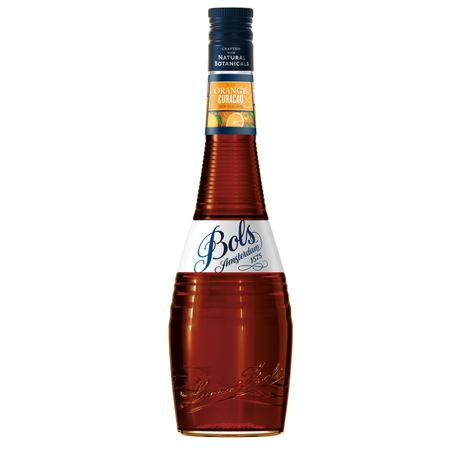
On our shelves, two orange curaçaos cover most of what a home bar or small program needs. Bols Orange Curaçao is a Dutch heritage liqueur built on a rum base rather than neutral spirit or cognac, which gives it a darker color and a slightly warmer, rounder profile than a straight triple sec — it reads closer to Grand Marnier's weight than to Cointreau's snap.
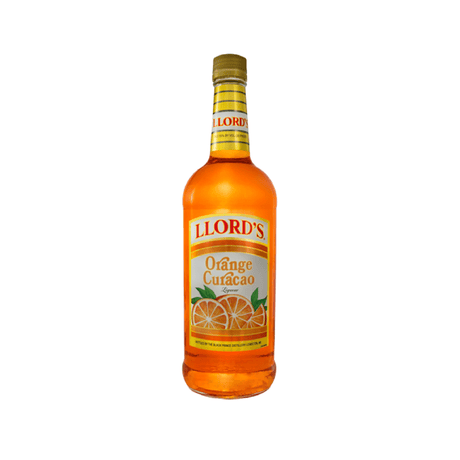
Llord's Orange Curaçao sits at a more accessible price point and works as a reliable bar workhorse: bright orange flavor, moderate sweetness, and enough versatility to cover Margaritas, Cosmopolitans, and tiki drinks without asking you to commit to a premium bottle first. If you're stocking a home bar for the first time, Llord's is the lower-commitment starting point; if you already lean on rum or brandy-forward drinks, Bols is the better stylistic match.
Bar-Spec Recipes That Depend on the Right Bottle
Orange curaçao is a supporting ingredient, but the wrong bottle throws off the balance of a drink built around it. These three specs assume you're using what's in your well, adjusted for whichever bottle you're pouring.
Sidecar
2 oz cognac or brandy, 0.75 oz Bols Orange Curaçao, 0.75 oz fresh lemon juice. Shake hard with ice, double-strain into a chilled coupe. Bols' rum-based weight stands up well against cognac here; if you swap in a lighter triple sec, cut the lemon juice to 0.5 oz so the drink doesn't run thin.
Orange Curaçao Margarita
2 oz blanco tequila, 0.75 oz Llord's Orange Curaçao, 0.75 oz fresh lime juice. Shake with ice, strain over fresh ice in a rocks glass, salt rim optional. Llord's moderate sweetness means you rarely need extra agave.
Cosmopolitan
1.5 oz citron vodka, 0.5 oz Llord's Orange Curaçao, 0.5 oz fresh lime juice, 0.25 oz cranberry juice. Shake hard, fine-strain into a chilled coupe, express an orange peel over the top instead of dropping it in.
In all three, the curaçao is doing citrus-forward sweetening work that plain simple syrup can't replicate — the orange oil from the peel is part of the aroma, not just the sugar.
Blue Curaçao Is a Different Tool
Blue curaçao isn't a separate style of orange liqueur — it's the same category with blue dye added, built for color rather than a distinct flavor profile. Dekuyper Curaçao Blue and Llord's Blue Curaçao both taste close to their orange counterparts — citrus-forward and moderately sweet — but the visual effect is the entire point.
Reach for either when you're building a Blue Hawaiian, a Blue Lagoon, or any layered tiki drink where color is part of the presentation. Don't reach for blue curaçao in a Sidecar or Margarita just because it's what's open behind the bar: the color will fight the drink's presentation even though the flavor is nearly interchangeable with orange curaçao in a pinch.
Storage and Substitution Notes
Orange curaçao doesn't spoil once opened, but it does lose aromatic intensity over time as the bottle sees more air. Keep it capped tightly, away from direct light and heat, and expect a noticeably fresher orange note in the first six to eight months after opening versus a year or more in.
If a recipe calls for a bottle you don't have, the safest substitution direction is sweetness-to-dryness: a dry, cognac-based curaçao can stand in for a triple sec with a small syrup addition, but a sweeter, rum-based bottle like Bols will need less added sugar elsewhere in the drink to avoid tipping it too sweet.
Frequently Asked Questions
What's the difference between orange curaçao and triple sec?
Triple sec is the broader category — any clear-to-amber orange liqueur distilled or macerated from orange peels. Curaçao is a subset that traditionally references the laraha orange grown on the island of Curaçao and often carries added color or a non-neutral spirit base like brandy or rum, giving it more weight than a standard triple sec.
Can I substitute blue curaçao for orange curaçao in a recipe?
Flavor-wise, yes — most blue curaçao is built from the same base as orange curaçao with blue dye added. The tradeoff is visual: your drink will turn blue-green instead of keeping its intended color, so save the swap for drinks where color isn't part of the presentation.
Is Grand Marnier the same as orange curaçao?
Grand Marnier is a cognac-based orange liqueur, which puts it in the curaçao family stylistically, but it's richer and more oak-driven than a standard triple sec like Cointreau. Treat it as a substitute for other cognac-based curaçaos rather than for a neutral-spirit bottle.
Do I need a specific bottle for a Margarita?
No single bottle is required — most Margarita recipes call for "orange liqueur" broadly. A moderately sweet bottle like Llord's Orange Curaçao keeps the drink balanced without added simple syrup, while a drier bottle may need a small sugar adjustment to match.
How much orange curaçao should I use in a cocktail?
Most classic specs call for 0.5 to 0.75 oz per drink, enough to contribute citrus and moderate sweetness without overpowering the base spirit. Start at 0.5 oz if you're using a sweeter bottle like Bols, and adjust up if the drink tastes flat.
Shop Orange Curaçao at Liquor Geeks
Browse our Bols Orange Curaçao and Llord's Orange Curaçao bottles, or pick up Dekuyper Curaçao Blue for color-driven tiki drinks. Shipping rules vary by state — check our shipping eligibility page before ordering.