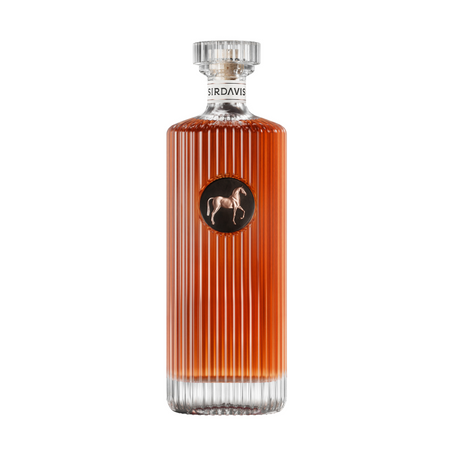
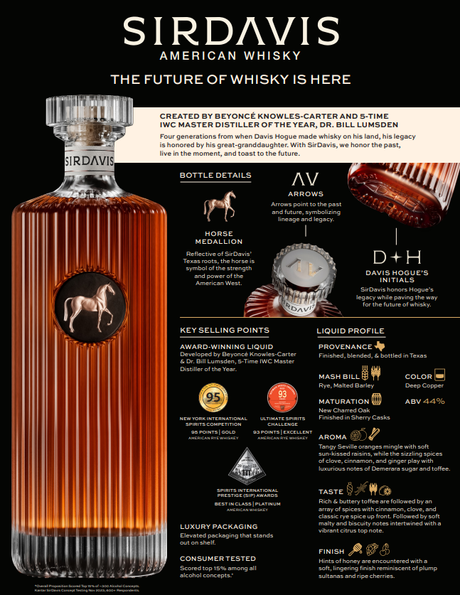
Sir Davis whiskey has stirred considerable conversation since its 2023 launch—part genuine spirit curiosity, part celebrity intrigue. Created by Beyoncé in partnership with Moët Hennessy, the bottle arrives with a backstory (named for her great-grandfather Davis Hogue, a Texas farmer and distiller), a rye-forward mashbill, and a sherry-cask finish. But here's the honest question every retailer and whiskey drinker asks: does the juice justify the premium, or are you primarily paying for the name on the label? Let's dig into the mashbill, the distillery partnership, the actual tasting experience, and whether Sir Davis belongs in your collection.
The Mashbill and Distillery Partnership
Sir Davis is a rye-forward American whiskey, which immediately signals a departure from the wheated or corn-heavy bourbons dominating premium shelves. The rye content (exact percentages aren't published, but the nose and palate confirm dominance) gives the spirit a spice-forward character that's become increasingly fashionable among serious drinkers tired of over-sweetened blends.
The spirit comes from a partnership with Moët Hennessy, LVMH's spirits division, which also manages Hennessy Cognac and other luxury brands. This isn't a vanity project sourced from a contract distillery and bottled under a celebrity label—there's legitimate industry infrastructure behind it. However, the exact production site remains somewhat opaque. The whiskey carries a Texas distillery connection, which aligns with the family narrative, but specifics on whether it's distilled in-house or sourced aren't transparently disclosed in public materials. For a retail perspective, this matters: transparency around sourcing builds long-term customer trust. That said, Sir Davis does list its mash bill as rye-forward and mentions sherry cask finishing, which are quantifiable production decisions worth evaluating.
Tasting Notes: What's Actually in the Glass
On the nose, Sir Davis opens with clove, cardamom, and a subtle cherry note that telegraphs the sherry influence. The rye spice is immediate but not harsh—there's a warmth and rounded quality that suggests quality grain selection and thoughtful aging (the exact age isn't stated, which is common for non-bourbon whiskeys). The nose doesn't scream "celebrity bottle"—it reads as a competent, modern rye-forward blend with intentional finishing.
On the palate, the rye spice comes forward again, accompanied by dried fruit (apricot, raisin), a subtle oak tannin, and a finish that leans toward spice and leather rather than the vanilla and caramel you'd find in a wheated bourbon. The sherry cask finish contributes body and a slight drying quality that encourages sipping rather than gulping. It's not a complex, mind-bending whiskey—but it's also not muddled or poorly balanced. For a celebrity-backed product, the liquid shows genuine competence.
Price vs. Liquid Value: The Honest Breakdown
Here's where the conversation gets real. Sir Davis sits in the premium range—not collector-tier pricing, but definitely above entry-level rye whiskeys. The question isn't whether the bottle is good (it is); it's whether the rye-forward profile and sherry finish justify the premium over comparable non-celebrity releases.
A fairly-priced rye whiskey with sherry cask finishing from an established distillery will land in the mid-to-upper-shelf range, and Sir Davis tracks there. What you're evaluating is whether the Moët Hennessy production standards, the Texas heritage narrative, and the brand momentum add value beyond the liquid itself. For collectors and brand-conscious drinkers, they do. For whiskey purists focused purely on mash bill and flavor, comparable rye-forward whiskeys exist at lower price points.
The celebrity element isn't invisible—it's priced in. Whether that premium aligns with your drinking priorities is personal. If you're buying for the story, the bottle's visual presence on your shelf, or because you genuinely appreciate Beyoncé's involvement in spirits, the premium is defensible. If you're buying purely on liquid merit, you might find equally compelling rye whiskeys at a lower entry point.
Distillery Partnership: What Moët Hennessy Brings
Moët Hennessy's involvement isn't incidental. The LVMH-owned division has deep experience in luxury spirits production, blending, and global distribution. Their fingerprints on Sir Davis show in consistent quality control and access to premium cask inventory. This isn't a one-off celebrity endorsement whiskey—there's institutional backing and expertise here.
That said, Moët Hennessy's primary strength is in Cognac and champagne, not American whiskey. The partnership structure likely involved sourcing or contract production rather than Moët Hennessy operating a dedicated whiskey distillery (which they don't). This is worth understanding: the brand prestige comes from LVMH's luxury positioning, but the actual whiskey production relies on established American distillery infrastructure. Both elements matter, and neither is a red flag—it's just the modern spirits industry at scale.
Should You Buy Sir Davis Whiskey?
The honest answer: it depends on your drinking goals and budget. If you're seeking a distinctive, rye-forward American whiskey with sherry cask complexity and you appreciate the heritage story, Sir Davis delivers. The liquid is well-executed, the mashbill is thoughtful, and the finish is interesting enough to warrant multiple tastings. It's not a whiskey that embarrasses you in front of knowledgeable drinkers.
If you're a whiskey collector or a pure liquid-focused buyer, Sir Davis is a solid addition but not a must-have. You could explore other rye-forward releases, Japanese whiskeys, or high-rye bourbons at comparable or lower price points and find equally compelling drinking experiences. The celebrity branding adds intangible value—cultural relevance, shelf presence, conversation pieces—that some collectors treasure and others dismiss.
Sir Davis in Your Collection
From a retailer's perspective, Sir Davis represents a broader trend: celebrity involvement in spirits is shifting from gimmick to legitimate production and branding. The whiskey stands on its own merits, even if it also benefits from its creator's profile. It's not a bottle that requires justification to knowledgeable drinkers, but it's also not essential drinking for pure whiskey enthusiasts.
The real win? Sir Davis opens conversations about rye-forward whiskeys, sherry cask finishing, and how luxury spirits partnerships work. Whether you're tasting it neat, in a Manhattan, or simply collecting the bottle, it's a whiskey that invites discussion rather than dismissal. In an industry saturated with hype, that's worth something.
Frequently Asked Questions
What is the mashbill of Sir Davis whiskey?
Sir Davis is rye-forward American whiskey, meaning rye is the dominant grain in the mash bill. Exact percentages aren't publicly disclosed, but the nose and palate confirm significant rye content, giving the spirit its characteristic clove, cardamom, and spice-forward profile.
Is Sir Davis whiskey aged in oak or sherry casks?
Sir Davis is aged in American oak and finished in sherry casks. The finishing period in sherry wood contributes dried fruit notes, body, and a drying leather quality that distinguishes it from straight rye whiskeys aged exclusively in bourbon barrels.
Who actually distills Sir Davis whiskey?
Sir Davis is produced in partnership with Moët Hennessy (LVMH's spirits division) with a Texas distillery connection. The exact distillery and production details aren't fully transparent publicly, which is common for celebrity-backed spirits but worth noting for collectors prioritizing sourcing transparency.
How does Sir Davis compare to other rye-forward whiskeys?
Sir Davis delivers solid quality and interesting flavor complexity, particularly from its sherry cask finish. However, comparable rye-forward whiskeys exist at various price points. Your choice depends on whether you value the brand story, production standards, and heritage narrative alongside the liquid itself.
What cocktails work best with Sir Davis whiskey?
The rye spice and sherry notes make Sir Davis excellent for classic rye cocktails like Manhattans, Sazeracs, or Rittenhouse variations. The fruit-forward finish also works in simple stirred applications where the sherry influence can shine without competing against citrus or bitters.
Shop Whiskey at Liquor Geeks
Explore Sir Davis and our broader whiskey collection for rye-forward, sherry-finished, and craft whiskey options. Shipping rules vary by state—check our shipping eligibility page before ordering.
By Joshua Gaa, Whiskey Editor at Liquor Geeks.