
Vanilla liqueur is bartenders' secret weapon for adding roundness, balance, and textural depth to cocktails. Whether you're mixing an espresso martini that needs smoothness, an old fashioned requiring complexity, or a daiquiri demanding silkiness, vanilla liqueurs deliver what pure spirits alone cannot. In this guide, we'll examine how to select and apply vanilla liqueurs across classic and contemporary cocktails, explore the best bottles available today, and share bar-tested recipes you can make at home. By the end, you'll understand why vanilla has become indispensable in the modern cocktail bar.
Why Vanilla Works in Cocktails
Understanding vanilla's role in cocktails starts with recognizing what it contributes beyond flavor. Vanilla adds viscosity and body to a drink's mouthfeel—an effect bartenders call "roundness." A well-made espresso martini relies on small amounts of vanilla liqueur to bridge the bitterness of coffee and vodka, preventing the drink from tasting harsh or one-dimensional. In an old fashioned or stirred spirit-forward cocktail, vanilla provides essential counterpoint without overwhelming the base spirit's character.
The vanilla profile you choose matters tremendously. Some vanilla liqueurs are intensely sweet and creamy, built around dairy cream or sugar-heavy bases. Others, like Spanish-style Licor 43 Herbal Liqueur, offer spice, citrus, and herbal complexity that plays beautifully in sours, slings, and tropical applications. The key is matching the liqueur's profile to your cocktail's requirements: use delicate vanilla liqueurs in spirit-forward applications and richer, creamier options in dessert-style drinks.
The Espresso Martini: Vanilla's Signature Application
The espresso martini is vanilla liqueur's canonical application. The drink was invented in the late 1980s at a London bar by Dick Bradsell, who combined vodka, freshly pulled espresso, coffee liqueur, and vanilla liqueur to create a drink that was simultaneously bitter, sweet, strong, and creamy. That balance is vanilla's essential job: without it, the drink tastes thin and aggressive.
The standard recipe calls for 1.5 oz vodka, 0.5 oz coffee liqueur (Kahlúa or similar), 0.75 oz fresh espresso, and 0.25 oz vanilla liqueur. The vanilla amount is precise—too little and the drink tastes sharp; too much and it becomes saccharine. Many bartenders reach for Licor 43 because its herbal and citrus undertones don't flatten the coffee's complexity. Others use lighter options like Mozart White Chocolate Vanilla Cream Liqueur, which adds silkiness without additional flavor baggage.
The technique matters as much as the ingredients. Combine vodka, coffee liqueur, and vanilla liqueur in a cocktail shaker with ice. Separately, pull 0.75 oz of fresh espresso into a separate vessel. Shake the spirit mixture hard for 10–12 seconds until well-chilled, then double-strain into a chilled coup glass. Top with the fresh espresso and a light layer of foam created by the shake and espresso's crema. Serve immediately. This timing prevents the espresso from cooling and the drink from becoming diluted.
The Vanilla Old Fashioned
The traditional old fashioned—whiskey, sugar, bitters, and water—leaves no room for additional liqueurs. However, a growing number of cocktail bars incorporate small amounts of vanilla liqueur into their old fashioneds to add silkiness and balance without disrupting the drink's core structure.
The adapted recipe is simple: 2 oz whiskey, 0.5 oz vanilla liqueur, 1 sugar cube (or 0.5 oz rich simple syrup), 2–3 dashes Angostura bitters, and a large ice cube. Stir all ingredients in a mixing glass for 30 seconds until properly chilled and diluted. Strain into a rocks glass over a single large ice cube. Express orange oils over the drink and garnish with a cherry.
The 0.5 oz of vanilla liqueur is the variable. If you use Mozart or another vanilla cream liqueur, the drink becomes richer and slightly sweeter. If you use Licor 43, which carries herbal and citrus notes alongside vanilla, the drink retains more complexity with a bold whiskey. The technique here is about restraint: the vanilla should enhance, not dominate. This is an old fashioned first, a vanilla application second.
Vanilla Liqueurs Beyond Classic Cocktails
While espresso martinis and old fashioneds are the canonical vanilla liqueur cocktails, the ingredient works brilliantly in other applications. Daiquiris benefit enormously from 0.25–0.5 oz of vanilla liqueur in place of (or alongside) simple syrup. The vanilla adds texture without requiring more sugar and plays beautifully with aged rum's caramel notes. Tia Maria Dark Liqueur, which combines Jamaican coffee beans with vanilla and rum, can replace traditional coffee liqueur in many applications and brings silky mouthfeel to a White Russian or Black Russian.
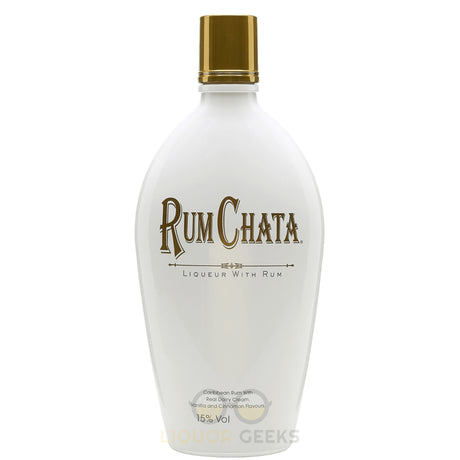
Sours and slings are another playground for vanilla liqueurs. A pisco sour gains additional dimension when 0.25 oz of a lighter vanilla expression is added. Tiki and tropical cocktails—like Mai Tais and Planter's Punches—benefit from richer, creamier options like RumChata, which brings both textural and flavor contributions in 0.5–0.75 oz measures. Don't overlook vanilla liqueurs as components in house-made cordials and infusions. Bartenders often use bottles like Evan Williams Honey Whiskey Liqueur as bases for extended infusions with baking spices and citrus peel. The vanilla backbone provides smoothness and prevents harsh flavors from dominating.
Selecting Vanilla Liqueurs by Profile
Not all vanilla liqueurs are created equal, and bartenders must understand the distinctions between major categories.
Herbal and Spiced Vanilla Liqueurs
Licor 43, the Spanish classic, is built around 43 secret ingredients—officially cinnamon, vanilla, citrus, and anise. This category works best in spirit-forward applications where you want vanilla to contribute complexity rather than sweetness alone. Use Licor 43 in espresso martinis, daiquiris, and sours.
Cream-Based Vanilla Liqueurs
Mozart White Chocolate Vanilla Cream Liqueur combines vanilla with dairy cream and additional sweetness. These work in dessert-leaning cocktails, cream-based shots, and sipping applications. They're less useful in spirit-forward cocktails because their richness can overwhelm delicate flavors.
Coffee and Vanilla Combinations
Tia Maria Dark Liqueur combines vanilla with Jamaican coffee, creating a hybrid category. Use this in applications where you want both coffee and vanilla notes—Irish coffees with a twist or martinis with subtle coffee undertones.
Whiskey-Based Vanilla
Evan Williams Honey Whiskey Liqueur adds vanilla and honey sweetness to a bourbon base. This category is useful when building cocktails that already feature whiskey; the familiar spirit base ensures smooth integration and prevents flavor clash.
Vanilla Liqueurs for Sipping
Beyond cocktails, many vanilla liqueurs are designed for sipping neat, on the rocks, or over ice cream. This application emphasizes the liqueur's flavor profile over its functional role in a mixed drink.
RumChata, with its rice cream and Caribbean rum base, is explicitly designed for sipping and has found a devoted following in casual bars and home settings. It's silky, approachable, and works for drinkers who prefer sweeter spirits. When sipping vanilla liqueurs neat, serve them in a small tulip glass or snifter at room temperature to experience their full aromatic profile. Chilling them mutes the more delicate herbal and spice notes. Many premium vanilla expressions reveal surprising depth when sipped slowly—citrus, oak, baking spice—that can be entirely missed in a mixed drink.
Building a Home Bar Vanilla Liqueur Selection
If you're building a home bar and want to work with vanilla liqueurs, prioritize based on your cocktail preferences. For spirit-forward drinks and classic cocktails, a bottle of Licor 43 Herbal Liqueur is the single most versatile choice. If you entertain frequently and want options, add Mozart for dessert-leaning guests and RumChata for tropical cocktails. These three bottles deliver different flavor profiles and applications, ensuring you can make drinks across the entire cocktail spectrum.
Frequently Asked Questions
What's the difference between vanilla liqueur and vanilla extract?
Vanilla extract is a concentrated flavoring made by steeping vanilla beans in alcohol, used primarily in baking. Vanilla liqueur is a finished spirit designed for drinking and mixing—it combines vanilla flavoring with sugar, cream, or spices, and is bottled at lower proof (typically 30–40% ABV). They're not interchangeable in cocktails.
Can I substitute vanilla liqueur in any cocktail?
No. Vanilla liqueur works best in applications where a touch of sweetness and body enhances the drink without overwhelming it. Spirit-forward cocktails like martinis and old fashioneds benefit from small amounts (0.25–0.5 oz). Cream-forward cocktails already containing cream liqueurs may become cloying. Always taste and adjust based on your base spirits.
How long does vanilla liqueur last after opening?
Properly stored (sealed, away from direct sunlight and heat), most vanilla liqueurs remain stable for 1–2 years after opening. Cream-based expressions may separate or oxidize faster than herbal or spiced types. Sugar-based liqueurs age gracefully. Cream-based bottles have a shorter optimal window—check the label for guidance.
Is Licor 43 the only vanilla liqueur option for bartenders?
No. Licor 43 is the most versatile and widely recognized, but Mozart White Chocolate Vanilla Cream Liqueur, Evan Williams Honey Whiskey Liqueur, and Tia Maria Dark Liqueur bring vanilla to the bar in different ways. Each has distinct flavor profiles and applications. Explore beyond Licor 43 once you understand its foundational role.
Can you make vanilla liqueur at home?
Yes, though it requires time and planning. Infuse vodka or rum with vanilla beans (2–3 beans per 750 ml of spirit), let steep for 4–8 weeks, then strain and age another 2–4 weeks. Add sugar and optional cream if desired. Homemade versions lack the complexity of commercial products but can serve effectively in mixed drinks.
Shop Vanilla Liqueurs at Liquor Geeks
Discover our curated selection of vanilla liqueurs and explore the possibilities above. Whether you're mixing cocktails or sipping neat, Liquor Geeks offers fast, reliable delivery to most states. Check our shipping eligibility page to verify your location before ordering.