
When you think of terroir in spirits, your mind likely travels to Scottish whisky highlands or French Cognac cellars. But terroir—the distinct character imparted by geography, climate, and raw materials—is quietly reshaping American vodka. 44 North vodka, distilled in the heart of Idaho and crafted from local potatoes, exemplifies a broader movement toward craft American vodkas that reject the neutral-spirit commodity model. This guide explores why regional identity matters in vodka, how terroir translates to flavor, and which under-$40 craft expressions deserve a spot in your home bar.
What Terroir Means for Vodka
Traditionally, vodka has been celebrated for its purity—a nearly neutral canvas meant to let cocktail ingredients shine. Yet terroir complicates that narrative. Terroir encompasses the soil, water, climate, and agricultural practices of a region, all of which shape the raw materials that distillers use. In wine and whiskey, terroir is non-negotiable; in vodka, it's often overlooked or dismissed.
Craft American distilleries are changing that perception. When a vodka is distilled from regionally specific grains or potatoes, and when production happens in a particular locale with distinct water chemistry, those factors influence the final product—even if the result is technically neutral. A potato-based vodka from Idaho carries different mineral profiles and subtle sweetness compared to a grain-based vodka from, say, the Midwest. The water used in dilution, the equipment employed, and the production philosophy all shape taste.
Understanding terroir in vodka means recognizing that craft producers aren't chasing a global standard; they're celebrating their region's agricultural heritage and water resources. That philosophy attracts consumers who value authenticity over marketing.
Idaho's Vodka Renaissance: Beyond the Commodity
Idaho has long been synonymous with potatoes, but the state's recent emergence as a vodka destination is a relatively recent phenomenon. Distilleries like 44 North leverage Idaho's pristine water sources, agricultural abundance, and a commitment to transparency that contrasts sharply with industrial mega-brands.
44 North Idaho Potato Vodka serves as the category anchor—a naturally gluten-free spirit that bears Idaho Potato Commission approval, the first vodka to earn that distinction. Using local potatoes as the base spirit delivers a creamier mouthfeel and subtle sweetness compared to grain-based competitors. The terroir here is tangible: high-altitude potato farming, glacially-fed water systems, and a climate-controlled distillery environment all contribute to a cohesive expression that tastes of place.
This approach appeals to customers who understand that vodka isn't merely a neutral ingredient; it's a conduit for regional pride and agricultural stewardship. When you choose 44 North, you're not just buying a bottle—you're investing in an economy and a story rooted in the American West.
Craft Vodka Under $40: Entry Points and Value
One misconception about craft vodka is that quality demands a premium price. While some luxury editions justify a collector-tier cost, a robust middle market exists for distillery-direct and regional expressions at entry-level to mid-shelf price points. These spirits offer measurable quality gains over mass-produced alternatives without breaking the bank.
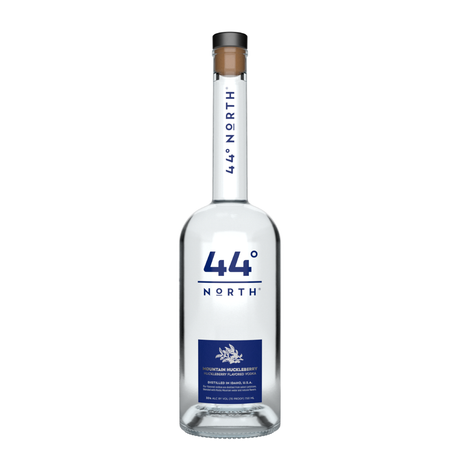
44 North Mountain Huckleberry Vodka exemplifies this value proposition. By infusing locally foraged mountain huckleberries into their potato vodka base, the distillery creates a flavored expression that showcases both terroir and ingredient quality. Unlike industrial flavored vodkas—often heavy-handed and artificial—craft infusions respect the base spirit and the ingredient itself.
Shopping for craft vodka under $40 means comparing provenance, base material, and production philosophy rather than chasing age statements or rarity. A well-made potato vodka from an Idaho microdistillery offers more character and authenticity than a nameless grain spirit in a sleek bottle.
How Raw Materials Shape Vodka Flavor
Base material selection is the first terroir decision a distillery makes. Potatoes, grain, rye, and even alternative sources like sugar beets each impart distinct flavor profiles, even in neutral spirits.
Potato vodka delivers creaminess and subtle sweetness. The starch-to-sugar conversion during fermentation yields a softer, more approachable character. Potato-based expressions often finish with mineral notes and a fuller body compared to grain counterparts. This is why potato vodka pairs exceptionally well with rich cocktails—Martinis, Bloody Marys, and spirit-forward Manhattans—where the spirit's presence is felt.
Grain vodka (wheat, barley, rye) tends toward spice and crisp dryness. Regional grain varietals matter: heritage wheat from heirloom grain farms delivers different aromatic compounds than commodity grain. Rye-based vodkas show peppery character and a sharp finish, ideal for Sazeracs or peppery Dirty Martinis.
Water chemistry, too, is terroir. Soft water yields lighter spirits; mineral-rich water creates rounder, fuller expressions. Idaho's volcanic-fed aquifers and snowmelt streams contribute mineral complexity to 44 North vodkas that mass-produced competitors cannot replicate without chemical additives.
The Flavored Vodka Movement: Authenticity vs. Artificial
Flavored vodka is often dismissed by spirits enthusiasts as a gimmick. Yet craft distilleries have rehabilitated the category by respecting both the base spirit and the flavoring agent.
Industrial flavored vodkas rely on synthetic essences and high sugar loads to create impact. Craft producers, by contrast, use natural infusions, maceration, and sometimes wild-harvested ingredients. 44 North's huckleberry expression uses mountain huckleberries foraged from Idaho's wilderness, not huckleberry extract or natural flavoring compounds. The result tastes of actual fruit—tart, slightly floral, with herbaceous undertones—rather than candy.
This authenticity appeals to home bartenders and sippers alike. Flavored craft vodka works in classic cocktails (a huckleberry vodka Cosmopolitan is exceptional) or as a standalone sipper over ice with a local craft mixer. The terroir of the fruit matters as much as the terroir of the base spirit.
Craft Vodka in Cocktails: Technique and Pairing
Vodka's neutrality made it the backbone of countless modern cocktails, but craft expressions demand different thinking. When you introduce a vodka with character—minerality, sweetness, or subtle spice—you're no longer working with a blank canvas.
A Martini made with 44 North Idaho Potato Vodka and dry vermouth showcases the spirit's creamy weight and mineral finish in ways a mass-produced vodka cannot. The potato's natural sweetness balances the vermouth's herbal bite, creating a rounder, more forgiving cocktail. Similarly, a Vodka Soda with fresh lime and 44 North allows the base spirit's terroir to shine without competition from complex ingredients.
For flavored expressions, consider complementary ingredients. Huckleberry vodka pairs beautifully with gin botanicals, tonic water, and edible flowers; it also works in sours and slings where the fruit character amplifies citrus and spice notes. The key is restraint—let the craft vodka be the star, not an afterthought drowned in mixers.
Why American Craft Vodka Deserves Your Attention
The vodka category is dominated by Russian and European brands with deep histories and massive marketing budgets. American craft distilleries lack that global recognition, yet they've built loyal audiences by prioritizing quality, transparency, and regional identity. Supporting craft American vodka means backing small businesses, celebrating regional agriculture, and drinking spirits made with genuine care.
44 North's success—including Idaho Potato Commission approval—signals that American consumers are ready to value vodka beyond brand nostalgia or marketing gloss. Terroir matters. Authenticity matters. Craft matters. As craft American vodka continues to expand, expect more distilleries to explore regional flavors, alternative base materials, and production philosophies that honor their communities.
Frequently Asked Questions
What does "terroir" mean in vodka, and does it actually matter?
Terroir refers to the geographic and environmental factors that influence a spirit's character—soil, water, climate, and raw materials. While vodka is technically neutral, the base material (potatoes vs. grain), water chemistry, and production philosophy all shape the final flavor. Craft distilleries use terroir to communicate regional identity and craftsmanship, making it a quality signifier rather than a flavor guarantee.
Is potato vodka better than grain vodka?
"Better" depends on preference and application. Potato vodka is creamier and slightly sweet, excelling in rich cocktails and sipping applications. Grain vodka is crisper and drier, ideal for spirit-forward drinks. Both can be excellent when made by skilled distillers. 44 North's potato base appeals to those seeking a rounder, fuller experience.
How should I drink craft American vodka?
Craft vodka reveals more when sipped neat or on ice than in heavily mixed cocktails. Try it in a simple Vodka Soda with fresh citrus to taste the terroir. Alternatively, use it as the base for classic cocktails—Martinis, Bloodys, Vodka Tonics—where its character can shine without being lost in complexity. Flavored craft expressions work beautifully in fruit-forward cocktails or simply chilled.
Are craft vodkas significantly more expensive than mass-market brands?
Not necessarily. Many craft expressions, including 44 North, sit at accessible, entry-level to mid-shelf price points. Craft vodka under $40 delivers measurably better quality—transparency in sourcing, regional character, and careful production—compared to commodity brands in the same price range. Price scales upward for limited releases or premium aged expressions, but quality craft vodka doesn't demand a collector-tier investment.
Why should I choose American craft vodka over imported brands?
American craft distilleries offer regional identity, agricultural transparency, and support for local economies. Imported brands excel in heritage and global recognition, but craft American vodka celebrates place-based production and ingredient sourcing. If you value knowing where your spirit comes from and supporting independent producers, American craft vodka delivers that authenticity.
Shop Vodka at Liquor Geeks
Explore our curated selection of craft American vodkas and discover why terroir matters. Browse our 44 North collection and other regional expressions that celebrate quality and craftsmanship. Shipping rules vary by state—check our shipping eligibility page before ordering.