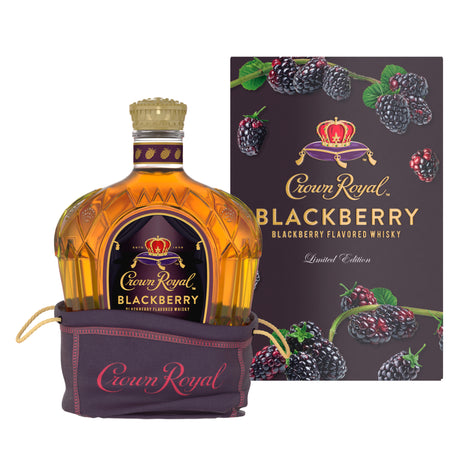

When the conversation turns to Canadian whiskey, Crown Royal almost always dominates the room. But if you've spent the last decade ordering the same royal-blue–bagged bottle, you're missing out on what makes the Canadian whiskey category genuinely compelling. Canadian Club, Canadian Mist, and Pike Creek represent a tier of authentic, characterful distilling that rivals Crown Royal—often at better value and with considerably more nuance. This guide breaks down why these brands deserve prime real estate on your shelf, how they're made differently, and what to taste for when you finally branch out.
Why Canadian Whiskey Gets Overlooked in the US Market
Canadian whisky has long suffered from a branding problem in the United States. Crown Royal's marketing machine positioned the category as approachable but not serious—something you'd add to ginger ale at a casual dinner, not something to contemplate neat. That narrative has stuck, even as the distilleries themselves have been producing whisky of remarkable depth and sophistication.
The truth is more nuanced. Canadian law allows a wider palette of production methods than US bourbon or Scotch regulations permit. Distillers can blend in grain neutral spirits, corn whisky, and rye-heavy malts—and when done with intention, this flexibility produces whisky with genuine character. The issue isn't the whisky; it's the perception. Many consumers never venture past the big name because they assume the category is one-note. That's precisely why Canadian Club and Canadian Mist remain undervalued: they're making excellent whisky that most drinkers never bother to try.
Canadian Club: The Heritage Play with Real Depth
Canadian Club began production in 1858 at the Hiram Walker Distillery in Windsor, Ontario—making it one of North America's oldest continuously operating whisky makers. That heritage matters because the distillery has had 160+ years to refine its house style: a clean, rye-forward profile with pronounced spice and grain character.
The Canadian Club Classic 12 Year is the expression that best showcases what the distillery is capable of. At 12 years, the whisky has spent enough time in wood to develop real complexity—creamy vanilla and honey notes balance against the signature spice. This is not a light, approachable sipper; it's a structured whisky with layered flavor. The rye backbone gives it a slightly different profile than Crown Royal, drier and more grain-forward. If you're accustomed to softer, sweeter Canadian whiskeys, Canadian Club will taste notably different—in the best way.
What makes Canadian Club compelling for collectors is the transparency. You're tasting what the distillery actually makes, not a carefully engineered consumer brand. There's no mysterious "special blend"; it's honest whisky with a point of view. For a mid-shelf investment, that authenticity is hard to beat.
Canadian Mist: The Overlooked Standard Bearer
Canadian Mist operates from the same distillery as Crown Royal (both are Diageo brands), yet it remains perpetually in Crown Royal's shadow. That positioning is a disservice to what is genuinely solid, unpretentious whisky. Canadian Mist's house style leans lighter and fruitier than Canadian Club, with more emphasis on grain smoothness and less rye dominance.
The brand makes an excellent everyday sipper—the kind of whisky you can build a reliable cocktail program around without worrying about run-of-stock issues. On the retail side, Canadian Mist represents one of the rare cases where the less-famous option is actually the better value play. You're getting competent distillery work at a price point that reflects market positioning rather than production cost.
For whiskey enthusiasts who mix regularly, Canadian Mist is worth serious consideration. It's clean enough to let the other cocktail elements shine, spirit-forward enough that you're still tasting whisky, and consistent enough that you can buy it with confidence. The market hasn't inflated its price based on heritage mythology or marketing spend, which means you're paying for liquid value, not brand premium.
Pike Creek: The Rye-Heavy Conversation Starter
Pike Creek is Diageo's premium Canadian whisky entry—and it's the one that should prompt serious collectors to reconsider their Canadian whiskey opinions. Aged in ex-bourbon barrels and bottled at a higher proof than its mass-market siblings, Pike Creek tastes distinctly more rye-forward and complex. The spice profile is assertive; the finish is dry and lingering.
What makes Pike Creek interesting from a production standpoint is its emphasis on rye grain selection. Canadian law doesn't cap the amount of corn or neutral spirits in a "Canadian whisky" blend the way US law restricts bourbon. Pike Creek leverages that flexibility to emphasize rye character in a way that feels more aligned with whiskey drinker expectations. If you've always found Canadian whisky too soft or too grain-focused, Pike Creek is the argument for giving the category another chance.
This expression also makes an excellent entry point for anyone curious about rye whiskey but intimidated by the price of premium American ryes. Pike Creek delivers comparable spice and complexity at a lower price point, in a whisky that's designed to be slightly more approachable than a high-proof rye straight.
How Canadian Whisky Production Differs from US & Scotch
Understanding the regulatory framework helps explain why Canadian distillers can produce whisky that tastes distinctly different from bourbon or Scotch. Canadian whisky law requires a minimum of three years aging in wood, but it permits blending in grain neutral spirits (GNS) and doesn't restrict the type of grain or barrel used the way US regulations do. This means a Canadian distiller can combine aged rye whisky with younger corn spirit and still legally call it whisky. In the hands of a skilled distiller, this flexibility produces whisky with broader flavor appeal and less barrel dominance than bourbon.
Scotch regulations, by contrast, require 100% malted barley and a minimum three-year aging period in oak, with strict rules about production location and water source. The result is a very specific flavor profile—one that's become iconic precisely because regulation enforces consistency. Canadian whisky's flexibility can feel less iconic, but it also allows for greater innovation and experimentation. That's why Canadian Club and Pike Creek can taste meaningfully different despite both being Canadian whisky: the distillers have made fundamentally different choices about grain bill and barrel strategy.
Tasting Notes and How to Approach Each Expression
When you sit down to taste Canadian Club, Canadian Mist, and Pike Creek side by side, you'll notice immediate differences in color, nose, and palate. Canadian Club 12 Year will be the richest in color—deeper amber—and the most complex on the nose. You'll find dried fruit, vanilla, and a distinct spice note. On the palate, it's structured and balanced, with the wood influence noticeable but not overwhelming. The finish is medium-long, slightly dry, and warming.
Canadian Mist will pour lighter in color and smell notably fruitier—there's an apple and grain-forward character that's less whiskey-forward and more spirit-forward. On the palate, it's approachable and smooth, with less edge than Canadian Club. This is the expression that works best in cocktails because it won't overpower a balanced mixed drink. Neat or on ice, it's pleasant but less complex than its older sibling.
Pike Creek is the most rye-expressive of the three. It will smell spicy and grain-forward—almost approaching a rye whiskey nose in character. On the palate, you'll find that assertiveness translated into flavor: pepper, spice, and a drier finish than either Canadian Club or Canadian Mist. This is the one you sip slowly, neat or with a small ice cube, in the way you'd approach a premium American rye.
Building a Canadian Whiskey Collection Beyond the Brand Hype
If you're serious about exploring Canadian whiskey, the play isn't to replace Crown Royal—Crown Royal remains a solid, accessible option. Instead, it's to round out your collection with expressions that highlight what the category is actually capable of. Start with Canadian Mist if you're a regular mixer; it's affordable enough to buy without hesitation and reliable enough that you'll use it regularly. Add Canadian Club 12 Year as your "serious sipper"—the expression you reach for when you want to taste what mature Canadian whisky actually tastes like. If you want to push further into rye character and complexity, Pike Creek is the natural upgrade.
The retailer advantage of this approach is diversity without excessive spend. You're not investing in multiple bottles from the same distillery or building a vertical of 10+ expressions. You're simply recognizing that three thoughtfully chosen bottles from different houses will give you more range and insight than sticking exclusively with one brand. That's smart collecting: breadth over depth when breadth reveals something new about the category itself.
Frequently Asked Questions
What's the difference between Canadian Club and Crown Royal?
Both are blended Canadian whiskeys, but they're produced by different distilleries with distinct house styles. Canadian Club is rye-forward and spicy, with a drier finish. Crown Royal is softer and rounder, with more emphasis on smoothness and approachability. Crown Royal also carries significant brand premium based on marketing spend; Canadian Club's pricing reflects production cost more directly, which makes it better value per ounce.
Is Canadian Mist considered a budget whiskey?
Canadian Mist occupies an entry-level price point, but that's a positioning choice rather than a quality statement. It's competently made spirit from an excellent distillery. "Budget" suggests corner-cutting; Canadian Mist is more accurately described as an unpretentious, affordable, and consistent option. If you're mixing regularly, it's an excellent value because you're not paying for heritage premium or marketing hype.
Can you drink Pike Creek neat, or is it better in cocktails?
Pike Creek is excellent neat or on a single ice cube. Its higher proof and rye-forward character make it more suited to straight sipping than the entry-level expressions. It's also a strong cocktail whiskey if you want something with backbone. The higher proof means it won't get lost in a well-balanced mixed drink, unlike lighter Canadian whiskeys that can disappear behind other ingredients.
How long do Canadian whiskeys age compared to Scotch?
Canadian law requires a minimum of three years aging in wood. Scotch has the same three-year minimum. The key difference is barrel type: Canadian distillers can use any barrel, including ex-bourbon casks, while Scotch producers face stricter wood regulations. Older Canadian whiskeys (like the 12-year Canadian Club) spend more time in barrel and develop more complexity, but the legal baseline is identical to Scotch.
Why hasn't Canadian Club gotten more attention in the US market?
Marketing spend and brand positioning are the primary drivers. Crown Royal invested heavily in brand identity and celebrity endorsements, which created market dominance. Canadian Club and Canadian Mist don't have the same consumer advertising budgets, so they remain lesser-known despite making quality spirit. For consumers willing to look beyond familiar names, that invisibility represents opportunity—you're buying excellent whisky at prices that haven't been inflated by brand hype.
Shop Canadian Whiskey at Liquor Geeks
Explore Canadian whiskey beyond the usual suspects. We carry Canadian Club, Canadian Mist, and Pike Creek alongside Crown Royal and other regional favorites. Start with a single bottle to taste the differences, or build a three-bottle vertical and discover what makes each distillery unique. Shipping rules vary by state—check our shipping eligibility page before ordering.