Japanese whiskey has gone from cult obsession to global phenomenon, and finding the right bottle in 2026 is both more exciting and more confusing than ever. Our Japanese whiskey collection spans everything from approachable daily sippers to limited-edition cask-strength releases, and this guide walks you through the best bottles to buy this year — organized by budget, experience level, and flavor profile. Whether you're buying your first bottle or adding a grail to your cabinet, here's what you need to know before you reach for the shelf.
To compare every bottle side by side, browse our full range of Japanese whisky, from blended highball staples to aged single malts.
What Makes Japanese Whiskey Different
Japanese whiskey takes its DNA from Scotland — Masataka Taketsuru studied whisky-making in Scotland in 1918 before founding Nikka — but the climate, raw materials, and distilling philosophy are all Japanese. Distilleries ferment with a wider range of yeasts, use softer water, and often age in Mizunara oak, a native Japanese wood that imparts sandalwood, coconut, and temple-incense notes you won't find in Scotch.
The other thing setting Japanese whiskey apart: precision. A single distillery like Suntory's Yamazaki produces dozens of distinct base whiskies in-house — varying still shape, wash composition, and cask type — then blends them for remarkable consistency year over year. It's the difference between a chef cooking one dish perfectly and a chef mastering every ingredient on the menu.
Climate matters too. Japan's humid summers and cold winters accelerate and then pause the maturation cycle, meaning a 12-year-old Japanese whiskey often tastes as mature as an 18-year-old Scotch.
Best Japanese Whiskey to Buy in 2026
Our picks below are split into three experience tiers. Every bottle is in stock as of this publishing.
For Beginners ($50–$100)
If you're starting out, look for balance and approachability. Suntory Toki is the easiest entry point — green-apple brightness, light honey, and a clean citrus finish that works equally well neat or in a highball. Nikka From The Barrel steps things up: bottled at 51.4% ABV, it's richer than Toki, with toffee, dark fruit, and a long spicy finish that still drinks smooth. If you want to splurge on one beginner bottle, Hibiki Japanese Harmony is the platonic ideal — honey, orange peel, Mizunara spice, and orchestral complexity for the price.
For Enthusiasts ($150–$250)
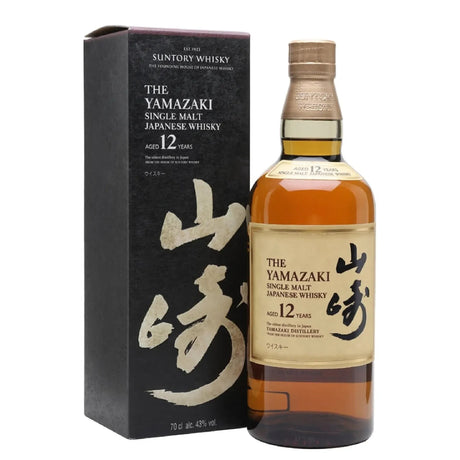
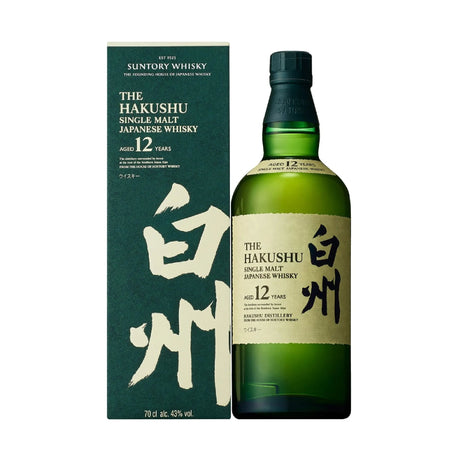
At this tier you're buying single malts with real depth. Yamazaki 12 is the benchmark — sherry cask sweetness, dried persimmon, and that famous Mizunara incense finish. Hakushu 12, Yamazaki's forest-distillery sibling, pivots toward fresh herbs, pear, and a whisper of peat — think Highland Park's lighter cousin raised on green tea. For something unfiltered, Nikka Yoichi Single Malt brings coastal salt, charcoal smoke, and brine — the most Scotch-like of the Japanese heavyweights.
For Collectors ($300+)
If you're buying to cellar, Yamazaki 18 leads the 2026 pack — a long-aged masterpiece with a 50/50 sherry and American oak marriage that delivers dark chocolate, dried fig, sandalwood, and a finish that lasts minutes. For something genuinely rare, look at single-grain bottlings like the Teitessa 30 Year — grain whisky in its own right, with toffee depth no malt can replicate.
How to Drink Japanese Whiskey
Japanese whiskey is versatile by design. Start neat at room temperature to read the flavor fully — Japanese distillers blend for a balanced profile that opens up without needing water. After your first sip, add a single drop of room-temperature still water; you'll notice the aroma shift noticeably, often revealing fruit notes the alcohol was masking.
If you want to try the most iconic serve in Japan, make a Mizuwari — two parts cold still water to one part whiskey, served over a large clear ice cube. It's the house pour at most Japanese hotel bars and pairs effortlessly with food.
The highball (whiskey plus soda water over ice in a tall glass, garnished with a lemon twist) is how Japan drinks whiskey most often. Use a 1:3 whiskey-to-soda ratio and pre-chill everything. Suntory Toki was practically engineered for this serve.
What to Look for When Buying in 2026
Authenticity and labeling. In 2021, Japan's whisky industry set new standards: to be labeled "Japanese whisky," the spirit must be fermented, distilled, and matured in Japan. Not every bottle with Japanese branding meets this rule. Look for Japan Spirits & Liqueurs Makers Association (JSLMA) language on the back label.
Age statement vs. no-age-statement (NAS). Classic age-stated bottles like Yamazaki 12 are getting harder to find and cost more. NAS bottles like Hibiki Harmony are the modern norm — they're blended for consistency across batches and often punch above their weight.
Cask finish. Mizunara, sherry, Umeshu plum-wine cask (see the Hatozaki 12), and Sakura cherry-wood finishes are the Japanese signatures worth seeking out — they impart flavor profiles Scotch can't replicate.
Frequently Asked Questions
What's the best Japanese whiskey for beginners in 2026?
Start with Suntory Toki at around $70 or Nikka From The Barrel if you want more intensity. Both are blended to be approachable neat or mixed into a highball, and both give you a true taste of the Japanese style without the collector-tier price tag. If budget allows, Hibiki Japanese Harmony is a slightly pricier option that's still absolutely worth it for a first bottle.
Is Japanese whiskey worth the price?
For quality per dollar, yes — especially in the $70–$150 range, where Japanese producers consistently deliver complexity rivaling Scotch twice the age. At the collector tier ($500+), prices reflect scarcity more than the liquid, so only buy if you specifically want those bottles. Entry and enthusiast tiers offer excellent value in 2026.
How is Japanese whiskey different from Scotch?
The DNA is similar — both use barley and copper pot stills — but Japanese producers tend toward softer, more floral profiles, use Mizunara oak for unique sandalwood notes, and blend with extreme precision across multiple distillery styles. Japanese whisky also matures faster due to Japan's climate swings, so a 12-year Japanese often drinks like an 18-year Scotch.
Should I drink Japanese whiskey neat or mixed?
Both. Start neat, add a drop of water, then try it as a highball (1:3 whiskey to soda) or Mizuwari (2:1 water to whiskey). Japanese whiskey is uniquely suited to dilution — it was blended for it. Don't feel snobbish about the highball; it's how Japan drinks its own best whiskies.
Shop Japanese Whiskey at Liquor Geeks
Browse our full Japanese whiskey collection for the bottles above plus dozens more single malts, blends, limited editions, and cask-strength releases. New arrivals drop weekly, and rare bottles move fast — worth checking back if you've had your eye on a grail.