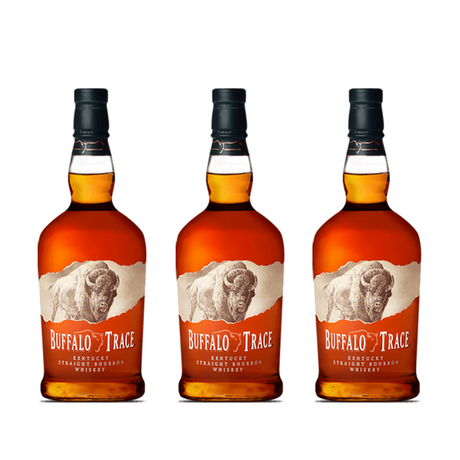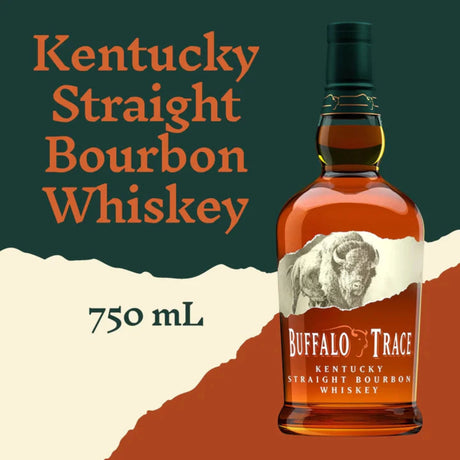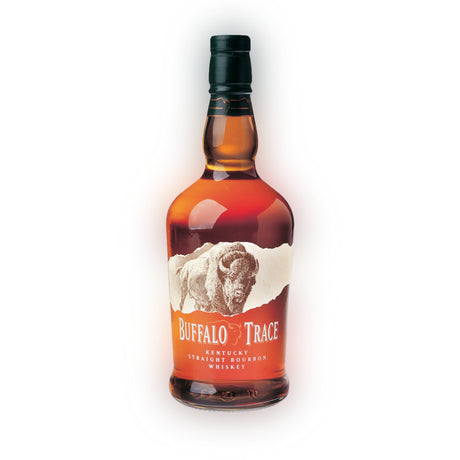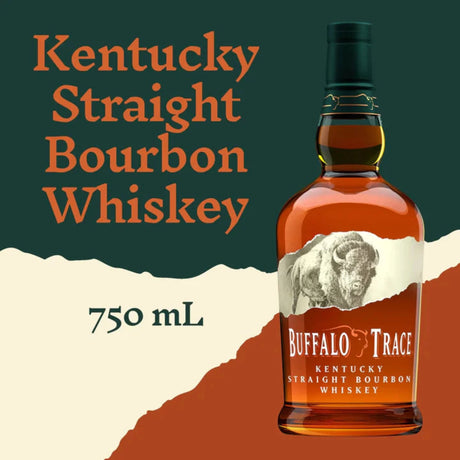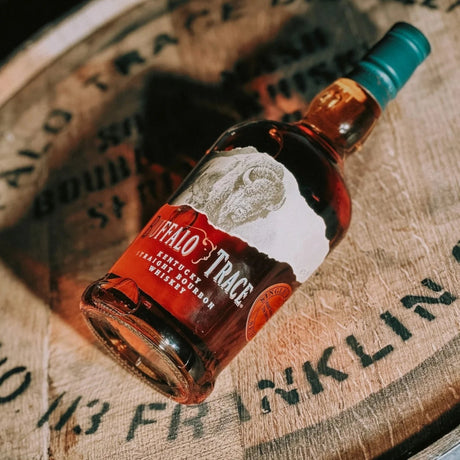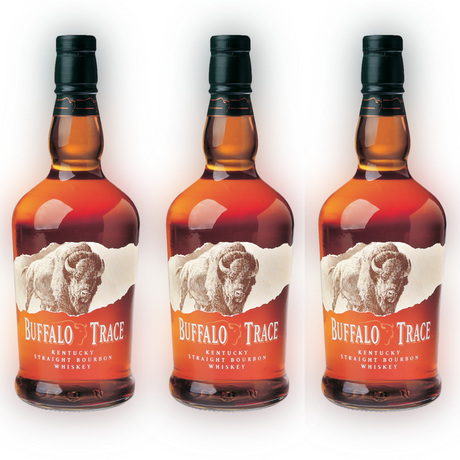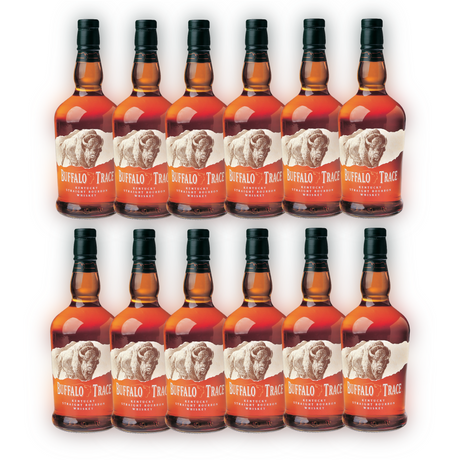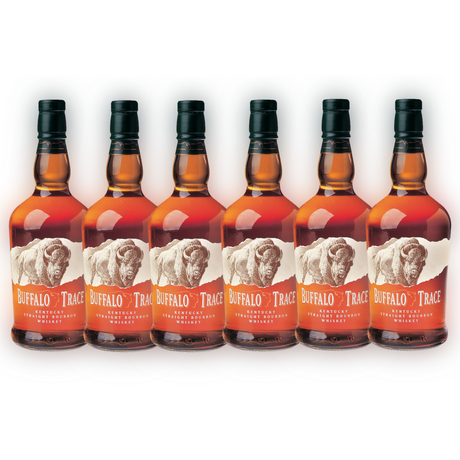

Buffalo Trace bourbon represents the gold standard for entry-level American bourbon—a benchmark expression that teaches newcomers what Kentucky whiskey is truly about. Whether you're picking up your first bottle or adding to an existing collection, understanding the flagship pour and its siblings in the Antique Collection helps you navigate one of the most storied distilleries in the United States. This guide walks you through Buffalo Trace's 200+ year history, the tier system that defines the brand, and which expressions deserve a spot in your cabinet.
The Distillery: Two Centuries of Frankfort Legacy
Buffalo Trace Distillery, located in Frankfort, Kentucky, sits on ground steeped in American frontier history. The name itself honors the ancient migration route that buffalo carved across the Kentucky River at this exact location—a trail so well-worn that Native Americans and early settlers used it for centuries. When the distillery was formally established in 1812 (though whiskey production on the site predates even that), it became one of only a handful of American bourbon producers never shuttered by Prohibition.
This continuity matters. While countless distilleries lost their rackhouses, recipes, and master distillers during the dry years (1920–1933), Buffalo Trace held on. The same limestone spring water that flows from the Kentucky groundwater still fuels the mash bill today. The warehouses still stand—some dating to the 1800s. That unbroken chain of knowledge and production is why Buffalo Trace commands respect from retailer and consumer alike, and why its distillery tour remains one of the most visited in America.
Flagship Buffalo Trace Bourbon: The Entry Point
Buffalo Trace bourbon is the volume leader and the gateway whiskey. At 90 proof, this bourbon is neither timid nor overpowering—a deliberate middle ground that makes it approachable for new drinkers while complex enough to reward slow tasting. The mash bill sits at a common ratio for Buffalo Trace products: 10% rye and malted barley, with corn making up the bulk. That modest rye percentage keeps spice in check; the malted barley adds subtle sweetness and body.
The nose opens with caramel, vanilla, and soft oak. There's no sharp alcohol burn—90 proof is gentle on the senses. The palate follows that caramel thread but adds layers: a touch of char, a whisper of leather, a baking-spice undertone that arrives late and lingers. The finish is short to medium, clean, and slightly dry. This is what balanced bourbon tastes like. It's not flashy. It's not allocated or hard to find. It simply does the job of teaching you what good bourbon is supposed to be.
At an accessible price point, Buffalo Trace works equally well neat, on a large rock, or in a cocktail—Manhattans and Old Fashioneds especially benefit from this bourbon's subtlety. It won't overpower ginger beer in a Mule, nor will it get lost in a Sazerac.
The Antique Collection: The Tier System Explained
Buffalo Trace Distillery has built its reputation on a pyramid strategy. At the base sits the flagship. Above it sits the Antique Collection—a roster of limited, higher-aged, higher-proof expressions released annually. Each Antique Collection bottle is allocated, meaning supply is tightly controlled and prices reflect scarcity. Understanding this tier system helps you understand whiskey retail allocation in general.
The Antique Collection typically includes five expressions per year, each focused on a different profile: George T. Stagg (high-proof, long-aged bourbon), Eagle Rare (single-barrel, moderate proof), Sazerac Rye (wheated rye, complex and rare), Buffalo Trace Antique Collection Rye (slightly different profile), and Thomas H. Handy Sazerac Rye (cask-proof rye). These bottles are released in September and November, and they vanish within days, often resold at secondary market markups.
A younger sibling worth knowing about is George T. Stagg Jr., a barrel-proof bourbon that captures the high-rye, high-proof character of the original George T. Stagg but at a lower cost and with slightly higher availability. If you're priced out of the Antique Collection proper, Stagg Jr. teaches you what barrel-proof bourbon feels like on the palate: no dilution, no compromise, just raw bourbon as it left the barrel.
Eagle Rare Single-Barrel Bourbon: The Benchmark for Allocation
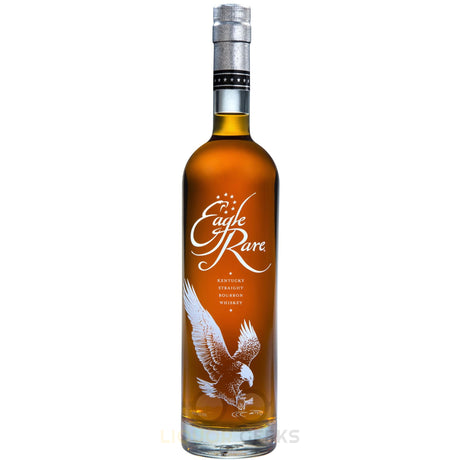
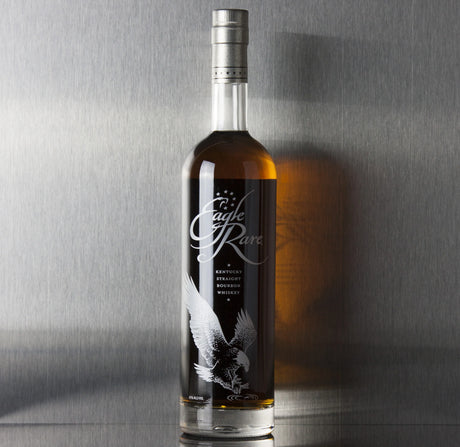
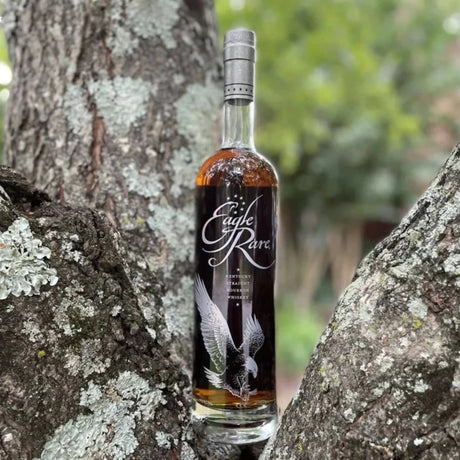
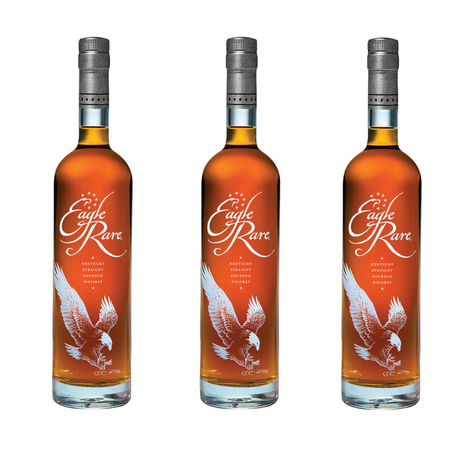
Eagle Rare represents a meaningful step up from flagship Buffalo Trace. This single-barrel release is aged at least 10 years, sits at 90 proof (like the flagship), and carries the prestige of a single-barrel designation. Each barrel is hand-selected by Buffalo Trace's team, so no two bottles are identical. That variability is the entire point of single-barrel bourbon—your bottle might lean toward oak and cherry, another drinker's might emphasize vanilla and leather.
Eagle Rare is harder to find than the flagship, but not as scarce as Antique Collection entries. If you're new to Buffalo Trace and want to take a step forward without entering allocation territory, this is the logical choice. You'll taste the same water, the same recipe, but a fuller maturation—the corn sweetness deepens, the oak integration improves, the finish lengthens. It's a meaningful upgrade and an excellent introduction to the philosophy of single-barrel selection.
Blanton's Single Barrel: The Prestige Pour
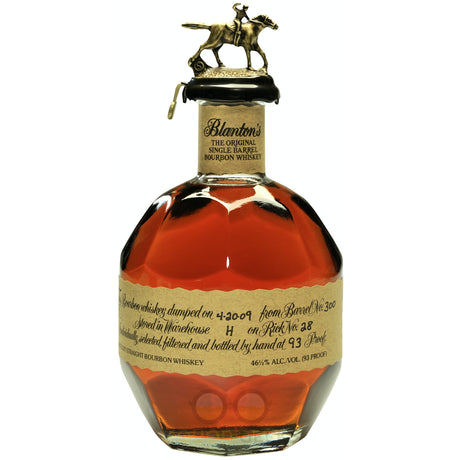
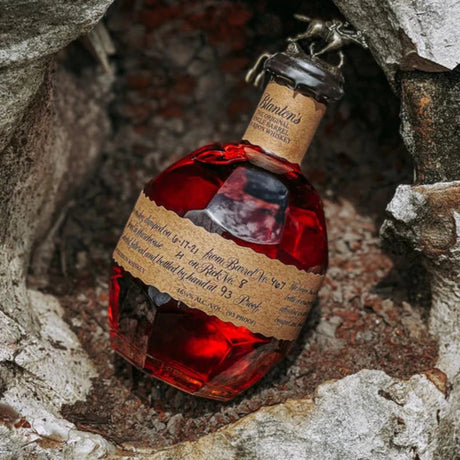
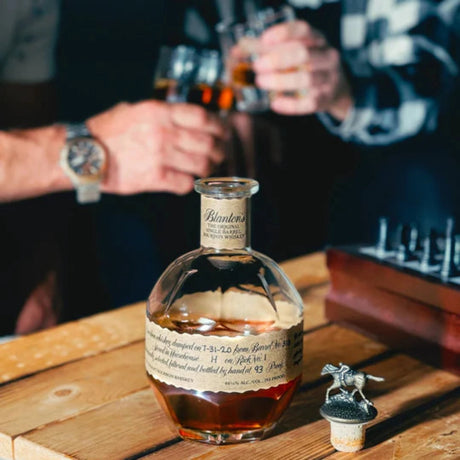
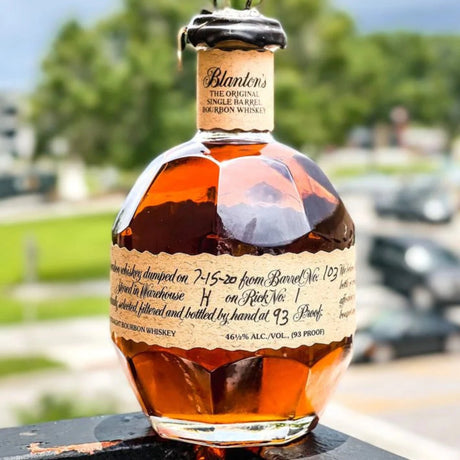
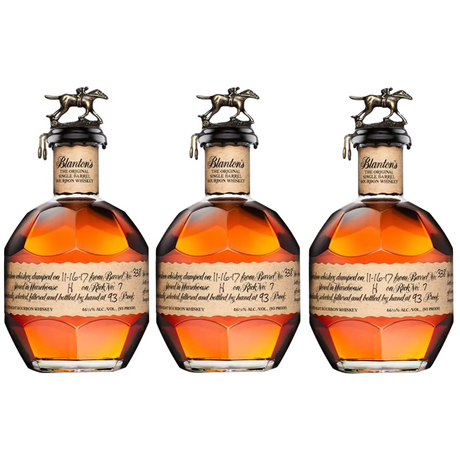
Blanton's single-barrel bourbon deserves special mention, even though it sits slightly apart from the main Antique Collection. Widely recognized as the world's first commercially marketed single-barrel bourbon (released in 1984 to honor Colonel Albert B. Blanton), Blanton's has become the gold standard for premium single-barrel American whiskey. Each bottle carries a unique horse and jockey stopper—a collectible touch that has made Blanton's iconic in bars and home cabinets worldwide.
Blanton's is aged in Warehouse H, a metal-clad rickhouse that Colonel Blanton himself selected for its faster maturation profile. This means the oak interaction is more intense than in many standard warehouses, yielding a bourbon that tastes richer and more developed than its (typical) 8-year age statement alone might suggest. At 93 proof, it strikes a balance between proof and subtlety. The nose is rich—caramel, vanilla, a hint of cherry wood. The palate is smooth but structured, with oak and spice gaining ground in the finish.
Blanton's has become somewhat allocated in recent years, and secondary market prices can exceed retail by 50% or more. For new drinkers, it's worth tasting if you find it at a bar, but it's not a requirement. Understanding the story—the first single-barrel, the iconic stopper, the connection to Colonel Blanton—matters as much as the whiskey itself.
Best Pour Under $30: Your Starting Lineup
If budget is a primary concern—and it should be when you're exploring—focus on flagship Buffalo Trace as your daily pour and rotation staple. It delivers balance and drinkability at an entry-level price point. If you want to stretch slightly higher without committing to allocation-tier pricing, Benchmark Small Batch (also from Buffalo Trace Distillery) offers a different mash bill and flavor profile—more rye, more spice—for a similar outlay.
Alternatively, Benchmark Full Proof and Benchmark Bonded showcase how Buffalo Trace's experimental attitude extends beyond the flagship brand. Bonded bourbon, by federal definition, must be aged at least 4 years and bottled at exactly 100 proof—a specific standard that appeals to whiskey drinkers who value consistency. Each Benchmark expression tells a slightly different story about the same distillery and the same water, which is the real education in bourbon: understanding how recipe, age, proof, and warehouse placement shape the final product.
Allocation and Retailer Realities: What You Need to Know
Buffalo Trace Distillery has become a victim of its own success. Demand for the Antique Collection and allocated single-barrels far exceeds supply. From a retailer perspective, we see allocation requests every September and November when the Antique Collection releases. Distributors portion bottles to accounts based on historical purchase volume, not demand. This means a boutique bottle shop or restaurant might receive two bottles of George T. Stagg for 50 customers asking.
Secondary markets have exploded as a result. Bottles retail at one price and resell at another—sometimes double or triple. This isn't necessarily market manipulation; it's simple scarcity economics. The trick as a drinker is knowing which bottles justify the chase (Antique Collection releases, rare single-barrels from exceptional warehouse picks) and which are overvalued (standard single-barrels marked up 40% due to hype alone).
Our recommendation: buy flagship Buffalo Trace whenever you see it. Taste Eagle Rare if it's reasonably priced. Approach Blanton's and higher-tier allocations with eyes open—they're excellent, but they're not so rare that you must overpay. The whiskey inside the bottle doesn't know what the secondary market paid.
Frequently Asked Questions
What does Buffalo Trace taste like compared to other entry-level bourbons?
Buffalo Trace emphasizes sweetness and balance over spice or wood dominance. Bourbons with higher rye content (like Maker's Mark competitors) taste spicier; bourbons with lower proof feel softer. Buffalo Trace splits the difference—90 proof, modest rye—making it an ideal reference point for learning what balanced bourbon tastes like before branching into higher-proof or higher-rye expressions.
Is Eagle Rare worth the price step-up from Buffalo Trace?
Yes, if you find it at a reasonable markup. The 10-year age statement and single-barrel selection justify a meaningful price increase because the whiskey inside genuinely tastes more developed—fuller palate, longer finish, more oak integration. Don't chase it on the secondary market, but if your local retailer has it at fair pricing, it's an excellent next step.
Why is Blanton's so hard to find?
Blanton's has become a status symbol in whiskey culture. The iconic horse and jockey stoppers are collectible. Secondary market demand from international collectors and bar owners has far outpaced Buffalo Trace's production capacity. It's allocated, meaning distributors ration bottles. This scarcity has made it valuable, but that value is largely driven by brand recognition and aesthetics, not by the whiskey being dramatically superior to Eagle Rare or other Buffalo Trace single-barrels.
What's the difference between Buffalo Trace flagship and Benchmark?
Both come from the same distillery and use similar grain recipes, but Benchmark emphasizes rye more heavily. Benchmark also has a different brand positioning—it's marketed at a lower price point and seen as more utilitarian. Taste them side-by-side and you'll notice Benchmark is spicier and slightly drier. Same limestone water, same distillery, different mash bill and marketing tier.
Should I hunt for Antique Collection releases?
Only if you're willing to wait in line and accept you may walk away empty-handed. Antique Collection bottles sell out in hours. If you're just starting your bourbon journey, there's no shame in enjoying George T. Stagg Jr. or other non-allocated Buffalo Trace expressions while you build your palate. The Antique Collection is excellent, but it's not the only path to whiskey knowledge.
Shop Bourbon at Liquor Geeks
Browse our full bourbon collection, including Buffalo Trace flagship, single-barrel releases, and other Frankfort classics. New drinker or seasoned collector, we have the depth to grow your bar. Shipping rules vary by state—check our shipping eligibility page before ordering.