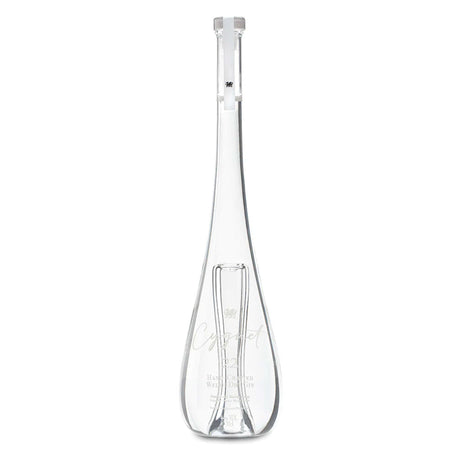

Cygnet Gin is capturing the attention of gin enthusiasts and bartenders alike, and for good reason. This Welsh craft gin brings a distinctive botanical approach that sets it apart in a crowded premium market. Rather than relying on a single signature note, Cygnet balances 22 carefully selected botanicals—including the unexpected addition of New Zealand Manuka honey, chamomile, bee pollen, pink grapefruit, and sea salt—to create a spirit that feels both familiar and innovative. In this review, we'll examine what makes Cygnet worth the conversation, how its botanicals work together, and which serves showcase it best.
The Distillery & Philosophy Behind Cygnet
Cygnet represents a modern approach to gin-making that respects tradition while embracing experimentation. The distillery's philosophy centers on capturing "the essence of nature's harmony," a commitment reflected in every botanical choice. Unlike bombastic marketing claims, Cygnet's team has elected to let the spirit speak through balance rather than shock value.
The name itself—a young swan—suggests elegance and grace, qualities the gin team clearly aspires to achieve. The result is a spirit that doesn't announce itself aggressively on the nose; instead, it invites exploration. This restraint is a strength in a category often dominated by loud, polarizing expressions. For retailers and home drinkers, Cygnet's approach means a gin that pairs well across multiple serve styles, from classic martinis to contemporary low-proof cocktails.
Botanical Profile: The 22-Ingredient Story
The core expression, Cygnet Dry Gin (Cygnet 22), draws its power from a carefully curated blend of 22 botanicals. While most gins rely on 8 to 15 key botanicals, Cygnet's expanded palette allows for greater complexity without muddy results—a technical feat that speaks to the distillers' skill.
Juniper remains the backbone, providing classic gin structure and pine-forward character. The honey element—specifically Manuka honey from New Zealand—adds a subtle sweetness that doesn't read as artificial or cloying. Chamomile contributes gentle floral and herbal notes, while bee pollen reinforces the apian theme with a delicate nuttiness. Pink grapefruit introduces citrus brightness that cuts through the honey sweetness, and sea salt anchors the overall profile with mineral minerality. Together, these botanicals create a spirit that tastes thoughtful rather than experimental-for-its-own-sake.
Taste Profile & Sensory Notes
On the nose, Cygnet offers crisp juniper with supporting citrus and delicate floral notes—no overwhelming perfume. The palate is clean and dry, with the honey expressing itself as a textural quality rather than a dominant flavor. The mid-palate develops warmth, likely from the supporting botanicals and ABV (typically 42%, consistent with premium gin standards), while the finish is dry and relatively short, which makes it versatile across different mixers and neat serves.
For those accustomed to London Dry-style gins, Cygnet will feel approachable. For explorers of contemporary gin, the Manuka honey and sea salt additions provide enough distinctive character to warrant a second glance. The balance means this is a spirit that performs well across multiple contexts—it doesn't collapse when stirred cold, nor does it disappear when shared with tonic water.
Cygnet 77: The Cask-Aged Expression
Beyond the flagship dry gin, Cygnet's portfolio includes the Cygnet 77 Cask-Aged Welsh Dry Gin, a more premium and nuanced release. This expression takes the same 22-botanical recipe and rests it for 55 weeks in ex-Welsh whisky barrels, a maturation period that fundamentally shifts the spirit's character.
Cask aging mellows the botanical brightness, allowing wood influence—vanilla, oak spice, and subtle char—to weave through the profile. The honey and floral notes become more subdued, making room for the warmth imparted by the barrel. This expression bridges the territory between contemporary gin and fine whisky, appealing to drinkers who appreciate sipping spirits over mixer-driven cocktails. If the standard Cygnet is a daytime gin, Cygnet 77 is designed for contemplative evening pours.
Comparable Premium Gins & Market Position
The premium gin category has expanded dramatically in recent years, with craft distilleries worldwide competing for attention. Cygnet positions itself in mid-to-premium territory—accessible compared to ultra-rare limited editions, yet thoughtfully crafted to justify its pricing against entry-level mass-market options.
Spirits like Hendrick's (with its cucumber infusion) and Tanqueray No. Ten (with added citrus elements) similarly build identity through distinctive botanical notes rather than pure juniper dominance. Cygnet's Manuka honey angle feels less gimmicky than some peers; the ingredient is integrated throughout the formula rather than used as a marketing hook. For bartenders, Cygnet's versatility across both stirred and built serves makes it a solid back-bar choice. For home drinkers, it's approachable enough for martinis yet interesting enough for curious exploration.
Serving Recommendations & Cocktail Applications
The beauty of Cygnet's balanced profile is its flexibility across serve styles. For the classic martini, it holds its own when stirred with dry vermouth and a twist—the juniper remains prominent while the honey adds subtle roundness. A 50/50 martini, increasingly favored by contemporary bartenders, allows the botanical complexity to shine without the vermouth overshadowing the gin.
Served long with premium tonic water, Cygnet reveals citrus and floral character that tonic's botanical bitterness complements rather than fights. A gin & soda with a grapefruit twist emphasizes the bright citrus notes. For those exploring low-proof serves, a Cygnet bottle mixed with dry vermouth and a touch of Pernod creates an aromatized, pre-dinner style aperitif. The cask-aged Cygnet 77 shines neat or with a single large ice cube, allowing you to experience the full spectrum of wood influence and softened botanicals.
Why Cygnet Is Gaining Attention
In a category where novelty often masquerades as quality, Cygnet stands out by doing the fundamentals exceptionally well. The botanicals are balanced, the honey addition is integrated rather than gimmicky, and the technical execution is evident in the spirit's texture and finish. The Welsh heritage adds local authenticity—distilled in Wales with New Zealand Manuka honey creates an interesting geographical narrative that feels genuine rather than forced.
For retailers, Cygnet fills a gap: it's premium enough to command margin and offer differentiation from mass brands, yet approachable enough that customers curious about gin beyond Bombay and Tanqueray will take a chance on a bottle. For bartenders, it's a versatile back-bar staple that surprises regular martini drinkers with its subtle complexity. For home explorers, it's a conversation-starter that doesn't require apology or explanation.
Frequently Asked Questions
What makes Cygnet Gin different from other premium gins?
Cygnet combines 22 botanicals, including Manuka honey from New Zealand, and uses a unique blend of sea salt, chamomile, bee pollen, and pink grapefruit. This expanded botanical palette creates complexity without muddiness, and the Manuka honey adds textural sweetness that's integrated throughout rather than tacked on as a gimmick.
Is Cygnet Gin a sipping gin or a mixer gin?
The flagship Cygnet 22 works beautifully in both contexts—it's balanced enough for classic cocktails like martinis and versatile enough to pair with premium tonic. The cask-aged Cygnet 77, aged 55 weeks in Welsh whiskey barrels, is designed more for sipping neat or with minimal ice, as the wood influence and mellowed botanicals reward contemplative enjoyment.
How does the Manuka honey influence the flavor profile?
Manuka honey softens the edges of the juniper backbone and adds subtle sweetness and warmth. It's not a dominant flavor note—you won't taste "honey gin"—but rather a textural quality that makes the spirit feel rounder and more approachable than traditional London Dry expressions.
Where is Cygnet Gin distilled?
Cygnet Gin is a Welsh craft spirit, distilled in Wales. The use of New Zealand Manuka honey adds an international botanical dimension while maintaining local Welsh heritage and craftsmanship, which appeals to drinkers interested in authentic origin stories.
How does Cygnet compare in price to other premium gins?
Cygnet is positioned in the mid-premium range—more considered and better-executed than entry-level mass-market gins, yet more accessible than ultra-rare limited editions or super-premium single-barrel releases. It's a spirit that offers genuine quality justification for its positioning.
Shop Gin at Liquor Geeks
Discover Cygnet Gin and explore our full gin collection at Liquor Geeks. Whether you're looking for the balanced botanical profile of Cygnet 22 or the wood-influenced character of Cygnet 77, we ship to most US states. Check our shipping eligibility page before ordering to ensure delivery to your location.