Scotch for beginners starts with one realization: you don't need to love smoke, memorize distilleries, or spend big to find a bottle you like. Scotch is a category with real range, from honeyed Speyside malts to medicinal Islay peat monsters, and the trick is entering at the soft end. This guide covers the five regions in plain language, blended versus single malt, how to read an age statement, what peat and sherry actually mean, how to taste without feeling silly, and a starter shelf that works up toward Islay.
The Five Scotch Regions in Plain Language
Scotland's whisky regions are shorthand for style, not strict rules. Think of them as rough flavor neighborhoods.
Speyside is the most densely packed region and the best place to start. Expect orchard fruit, honey, malt, and sometimes sherry-cask richness. The Highlands are broad and varied: some malts are floral and light, others are fuller and spicier. The Lowlands lean grassy, soft, and gentle. Campbeltown is a tiny region with briny, slightly funky whiskies. Islay is the island famous for peat smoke, iodine, and coastal intensity.
Orkney's distilleries, like Scapa and Highland Park, technically sit under the Highlands banner but have their own character: gentle heather, honey, and a whisper of smoke. For a first bottle, Speyside and the Highlands give you the widest margin for success. Save Islay for your second or third purchase, once you know how you feel about smoke.
Blended vs. Single Malt: What a First Buyer Should Know
A single malt comes from one distillery and is made entirely from malted barley. A blended Scotch combines malt whisky with lighter grain whisky, often from many distilleries. Neither is inherently better. Blends are built for consistency and approachability; single malts show off a distillery's house style.
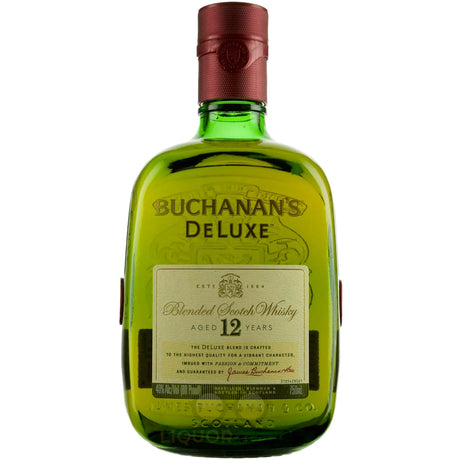
If you're curious about the blended side, a bottle like Dewar's White Label is soft, with honey, vanilla, and pear, and works neat or in a highball. For a step up in age and polish, Buchanan's 12 Year leans citrus, honey, and orange with a lighter body. You can browse the full range in our blended Scotch collection.
If you want to taste a distillery's character directly, go single malt. Our single malt Scotch collection is deep, which is why the starter shelf below narrows it down.
How to Read an Age Statement
The number on the bottle, such as 12, 15, or 18, is the age of the youngest whisky in the bottle. A 12 year old can contain older whisky, but nothing younger than 12 years. That's a legal floor, not a quality score.
Age tends to bring softer edges, more oak influence, and layered dried-fruit and spice notes. But older isn't automatically better for a beginner. A 12-year-old Speyside is often the sweet spot: enough time in oak to round things out, without the tannic weight that very old malts can carry. Bottles without an age statement (NAS) aren't lesser by default, but the age number gives you a useful anchor when comparing two similar whiskies.
Also note that age is counted only while whisky sits in the cask. Once it's bottled, it stops maturing. A bottle that has sat on a shelf for ten years is still, for labeling purposes, its original age.
Peat and Sherry, Explained
These two words show up constantly on labels and in reviews, and they describe different things.
Peat
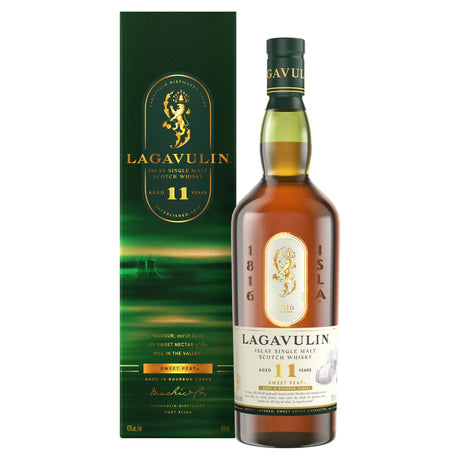
Peat is decomposed vegetation burned to dry malted barley. The smoke gets into the grain and carries through distillation. Islay malts are the classic example, with smoke, brine, tar, and iodine. If you suspect you'll like it, Lagavulin 11 Year Sweet Peat, aged in first-fill ex-bourbon casks, is a gentler on-ramp, with sweetness from the oak balancing the smoke.
Sherry
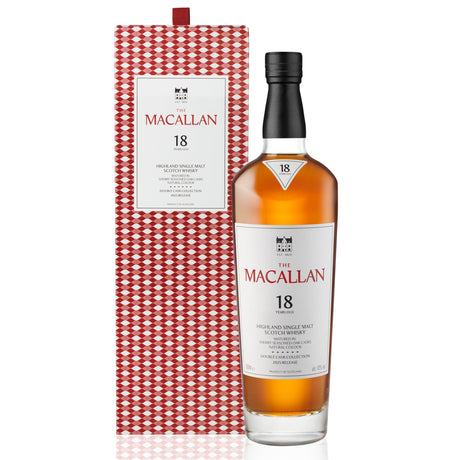
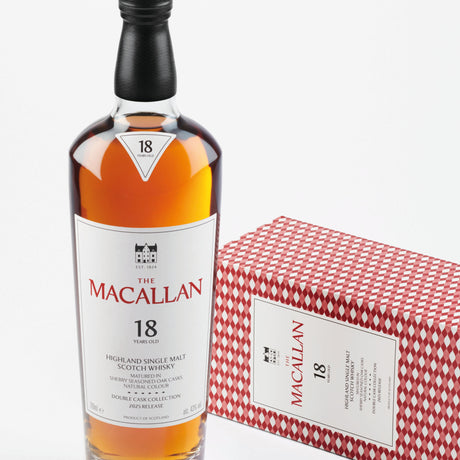
Sherry influence comes from maturing whisky in casks that previously held sherry wine. It adds dried fruit, raisin, nuts, and baking spice. The Macallan 12 Year Old Sherry Oak is a textbook example: dried fruit, spice, and a touch of woodsmoke. Many beginners love sherry-cask malts because the sweetness feels familiar.
How to Taste: Glass, Water, and No Ice Shame
You don't need special equipment. A tulip-shaped glass, or even a small wine glass, concentrates aroma better than a straight tumbler. Pour about an ounce and a half and smell before sipping. Keep your mouth slightly open as you sniff so the alcohol doesn't overwhelm your nose.
Take a small first sip just to acclimate your palate, then a second sip to actually taste. If it feels hot, add a few drops of room-temperature water. Water opens up aromas by lowering the proof, and professionals do it constantly.
Ice is fine. A large cube slows dilution and chills the whisky, which mutes some aroma but makes a dram more approachable on a warm day or when you're still adjusting to the alcohol. Whether you drink it neat, with water, or over ice, the right way is the way you enjoy it. A Scotch and soda or highball is also a legitimate, widely loved serve, especially with a blend.
A Starter Shelf of Six Approachable Bottles
Here is a progression that begins in Speyside and the Highlands and edges toward smoke.
-
The Glenlivet 12 Year (Speyside): the benchmark gentle malt, bright and fruity. For a more accessible entry, The Glenlivet Founder's Reserve is a lighter-priced way into the same house style. See more in the Glenlivet collection.
-
Glenmorangie The Original 12 Year (Highlands): light, floral, and aged in ex-bourbon casks. More in the Glenmorangie collection.
-
Glenfiddich 15 Year (Speyside): made using a Solera system, with richer fruit and spice.
-
The Macallan 12 Year Sherry Oak (Speyside): your sherry-cask reference point.
-
Scapa 16 Year (Orkney): ex-American oak, fruit, spice, and a coastal edge.
-
Lagavulin 16 Year (Islay): the destination bottle once you're ready for full peat.
That arc takes you from soft and fruity to rich and sherried to properly smoky, with every step teaching you something about your own palate.
Where to Go After Your First Bottle
Once you've tried a few, notice what you reach for. If you keep pouring the sherried malt, explore older sherry-driven distilleries. If you prefer lighter, floral styles, stay in the Highlands and Lowlands. If the Lagavulin intrigued you rather than scared you, other Islay and island malts are next.
Keep notes, even short ones: "honey, pear, easy" or "too smoky, but interesting." Over a few bottles, patterns appear fast. You can broaden things in our full Scotch whiskey collection. As a retailer, I'd also say: don't chase rarity early. Limited releases are fun later, but a reliable 12 or 15 year teaches you more per pour.
Frequently Asked Questions
What is the best Scotch for a beginner?
Start with a Speyside or Highland single malt aged around 12 years, such as The Glenlivet 12 or Glenmorangie The Original. They're fruity, floral, and gentle, with little to no smoke, which makes them easy to enjoy neat or with a little water.
Is blended or single malt Scotch better for beginners?
Both work. Blends are typically softer and lighter, and they mix well in highballs. Single malts show off one distillery's character. If you want to sip and learn, pick a single malt; if you want versatility, pick a quality blend.
Is it okay to put ice or water in Scotch?
Yes. A few drops of water can open up aromas, and ice makes a dram more approachable. There's no wrong way to drink whisky you've bought. Large cubes melt slowly and dilute less than small ones.
Does older Scotch always taste better?
No. Age brings oak influence and softness, but it's a style, not a guarantee of quality. Many drinkers find 12 to 15 year old whiskies hit the best balance of flavor and approachability.
Shop Scotch at Liquor Geeks
Browse our full Scotch whiskey collection. Shipping rules vary by state — check our shipping eligibility page before ordering.
By Joshua Gaa, Whiskey Editor at Liquor Geeks.