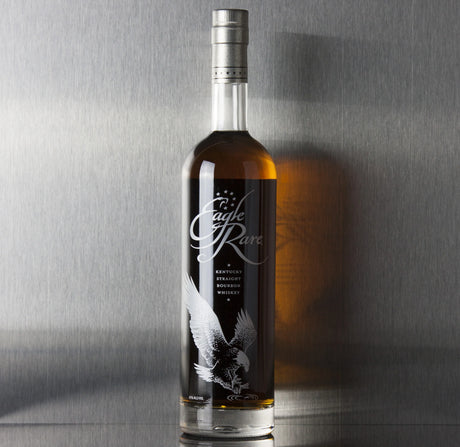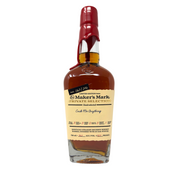
When you're hunting for where to buy small-batch craft whiskey, you're already ahead of the crowd. Unlike mass-market brands churned out in the millions of bottles, small-batch whiskey sits at the intersection of careful production and genuine scarcity—but without the collector-auction frenzy. This guide cuts through the marketing noise, defines what "small batch" actually means from a production standpoint, introduces eight excellent bottles worth your attention, and walks you through the practical steps to source them online.
What "Small Batch" Really Means
The term "small batch" is not federally regulated in the way "straight" or "bottled-in-bond" are. That's both a blessing and a minefield. Technically, a whiskey labeled "small batch" is typically produced in quantities under 100,000 bottles per release—though some producers interpret this more generously. The spirit of small-batch production, however, is hands-on blending: a master blender selects from a limited number of barrels (often 5 to 20) to achieve a specific flavor profile rather than standardizing toward a single house taste.
From a retailer's perspective, this matters because small-batch releases often show more variation between batches than their parent company's flagship bottles—and that's actually a feature, not a bug. You're getting a snapshot of the blender's decision-making at a specific moment in time, not a smoothed-out corporate average. The other practical distinction is availability: small-batch bottles tend to move faster and may not be restocked immediately, which is why knowing where to look and how to act matters.
Eight Small-Batch Whiskeys Worth Seeking Out
Here's a curated sampling across bourbon and rye that represents different proof levels, age statements, and blending philosophies:
Bourbon Standouts
1. Four Roses Small Batch: A blended bourbon made from four different yeast strains and two mash bills. Approachable, balanced, and consistently well-made. A good entry point into the small-batch category.
2. Wilderness Trail Small Batch: A newer Kentucky distillery whose small-batch releases show real attention to oak management and finishing. Worth exploring if you want to support emerging craft producers.
3. New Riff Single Barrel Bottled-in-Bond: Bottled-in-bond whiskeys meet strict TTB criteria—100 proof minimum, aged four years minimum in one season. New Riff's single-barrel offerings rotate frequently and deliver excellent proof and maturity for the price tier.
4. Belle Meade Reserve: A wheated bourbon from the Nelson's Green Brier distillery that balances sweetness with oak-forward aging. Respectable proof and consistent availability make it a reliable go-to.
Rye Standouts
5. Wilderness Trail High Rye Bourbon: While technically classified as bourbon (51% corn, <30% rye), this emphasizes rye character and spice. A smart choice if you love rye complexity but want the approachability of bourbon proof.
6. Old Elk Straight Rye: Colorado-based, aged in a dry climate, this rye shows excellent balance between spice and barrel influence. Small-batch thinking applied to a region outside the traditional whiskey corridor.
7. New Riff Bottled-in-Bond Rye: New Riff's rye expression holds its own against much older MGP-sourced bottles. The bottled-in-bond designation guarantees the rigor; the execution is what makes it worth buying.
8. Belle Meade Reserve Bourbon (revisit or alternative: Russell's Single Barrel): Russell's Single Barrel expressions are hand-selected, high-proof, and move quickly. Each release shows the blender's character in miniature.
Why Small-Batch Whiskeys Matter Now
The whiskey market has consolidated hard over the past decade. Most rye and a surprising amount of bourbon come from a handful of producers—most notably Lawrenceburg, Indiana (MGP), and the surviving distilleries in Kentucky. Small-batch releases from known distilleries are one of the few ways consumers get real transparency and craft control. When a master blender at a named distillery selects specific barrels for a release, you're getting their actual hand in the bottle, not a formula.
Small-batch whiskeys also tend to hold value better than entry-level whiskeys and cost considerably less than rare allocated bottles. That middle ground—quality and intention without the collector-market markup—is where serious whiskey drinkers spend most of their buying power.
The Online Buying Workflow: Five Steps
Step 1: Identify Your Regional Eligibility
Alcohol shipping is state-regulated. You cannot order online to every state, and some states restrict certain spirit types. Check our shipping eligibility page first. It takes two minutes and will save you from adding bottles to your cart only to discover they can't ship to your address.
Step 2: Search by Producer or Flavor Profile
Browse our Bourbon Whiskey collection by distillery name or flavor (spice-forward, oak-aged, wheated) rather than price. Small-batch bottles are often grouped with their maker's other releases, so you can compare expressions from the same distillery and see how blending choices shift the profile.
Step 3: Check Batch or Release Number
If a bottle shows a batch number or release date (e.g., "Batch 7," "Released January 2025"), note it. This metadata tells you when the bottling happened and helps you avoid older inventory if you prefer fresher stock. Small-batch bottles can sit on shelves, but they don't improve with shelf age the way aged spirits do in the barrel.
Step 4: Read Tasting Notes and Proof
Proof matters more than age for small-batch selections. A 110-proof four-year-old often outperforms an under-proof six-year-old because the alcohol brings out barrel flavors. Read the product description for proof, mash bill (if listed), and aging vessel type (new American oak, used barrels, etc.). These specifics signal how much attention the producer paid to their process.
Step 5: Add to Cart and Confirm Shipping Address
Once you've selected, verify your shipping address matches your state of residence. Alcohol requires adult signature on most shipments, so make sure someone 21+ will be present. Allow 3–7 business days for delivery depending on your location and carrier workload.
Where Small-Batch Whiskey Fits Your Whiskey Journey
If you're just getting into whiskey, small-batch bottles are ideal stepping stones beyond entry-level expressions. Four Roses Small Batch or Belle Meade Reserve cost less than many allocated bottles but deliver noticeably more intentionality than budget-tier whiskeys. If you're an experienced collector, small-batch releases from newer distilleries or experimental programs offer discovery without the secondary-market markup. Either way, small-batch whiskey rewards curiosity and attention—exactly the qualities that define good whiskey buying today.
Frequently Asked Questions
Is "small batch" the same as "craft whiskey"?
Not exactly. "Craft" is even less regulated than "small batch." Many small-batch whiskeys are craft (distilled in small quantities with intentional blending), but some large producers release small-batch expressions of very mainstream whiskeys. "Small batch" is about production volume; "craft" is about philosophy. Look for small-batch bottles from named distilleries if craft authenticity matters to you.
How should I store a small-batch whiskey bottle?
Keep it upright in a cool, dark place away from direct sunlight and temperature swings. Whiskey doesn't improve in the bottle once it's sealed (unlike wine), so aging at home is unnecessary. A closed cabinet or shelf at room temperature is ideal. Once opened, a bottle's quality remains stable for years if the cap is tight.
Why do small-batch bottles sometimes taste different from batch to batch?
Because they are blended from different barrels each time. A master blender works with the barrels available in that season, so flavor can shift slightly. This variation is actually a sign of authenticity—standardized products taste the same, but small-batch expressions reflect the craft blender's real choices within constraints.
Can I find small-batch whiskeys at the same price as entry-level bottles?
Sometimes, but not always. Many small-batch releases are priced slightly higher than mass-market equivalents because they're produced in smaller quantities and require more labor from the blending team. However, you're usually paying for real quality gain, not just brand markup. Compare the proof and age statement before deciding; a high-proof small-batch bottle often outperforms a lower-proof entry-level whiskey at a similar price.
What's the difference between a small-batch whiskey and a single-barrel release?
A small-batch whiskey blends multiple barrels (typically 5 to 20) into one flavor profile. A single-barrel whiskey is bottled from one barrel only, so every bottle is unique. Single-barrel whiskeys tend to cost more and show more variation, but small-batch bottles offer consistency and intentional blending craft. Both are more interesting than mass-market standard expressions.
Shop Small-Batch Whiskeys at Liquor Geeks
Browse our full Bourbon Whiskey collection, which includes a wide range of small-batch offerings from established and emerging distilleries. Shipping rules vary by state—check our shipping eligibility page before ordering. Whether you're seeking a reliable wheated bourbon, a spice-forward rye, or a single-barrel expression, we have options for every whiskey lover's palate and budget.