
Tequila only earns its name when it's distilled from blue Weber agave grown in one of five approved Mexican states, and that single legal fact explains most of the confusion beginners run into on the shelf. If you've ever stood in front of a wall of blanco, reposado, and añejo bottles wondering where to start, this primer walks you through the styles, the label details worth reading, and how to build a first shelf without overspending on the wrong bottle.
What Actually Makes Tequila "Tequila"
Tequila is a Denomination of Origin spirit, meaning it can only legally be produced in Jalisco and limited municipalities in Guanajuato, Michoacán, Nayarit, and Tamaulipas. The base plant is always blue Weber agave (Agave tequilana), which takes six to eight years to mature in the field before it's harvested, roasted, and fermented. That regional and botanical restriction is what separates tequila from the broader category of agave spirits like mezcal, raicilla, or sotol, which can be made from dozens of different agave varieties across a wider stretch of Mexico.
Within that legal framework, producers still make very different choices about fermentation, distillation equipment, and aging, which is why two bottles labeled "blanco" can taste nothing alike. Understanding the category's ground rules is the first step; the next is learning to read what's actually in the bottle.
Reading a Tequila Label Like a Sommelier
Once you know what to look for, a tequila label tells you almost everything you need before you spend a dollar.
100% Agave vs. Mixto
The single most important phrase on any tequila label is "100% de agave" (or "100% agave"). If that phrase is missing, you're looking at a mixto — a tequila legally allowed to be distilled from as little as 51% agave sugars, with the rest coming from cheaper sugars like cane. Mixtos are permitted to leave Mexico in bulk and get bottled elsewhere, which is part of why quality and consistency vary so widely. Every bottle worth building a beginner's shelf around should say 100% agave.
The NOM Number Tells You the Distillery
Look for a four-digit NOM (Norma Oficial Mexicana) number, usually printed in small type near the back label. This number identifies the actual physical distillery where the tequila was made, not the brand that owns the label. Because many brands don't operate their own distillery, several labels on a store shelf can share the same NOM number and, in some cases, come from very similar production runs. Cross-referencing the NOM number is a habit worth building once you start exploring beyond the basics — it's often more revealing than the marketing copy.
Blanco, Reposado, Añejo — and What Aging Really Changes
Every 100% agave tequila starts life as blanco (also labeled plata or silver): unaged, or rested for less than two months, and bottled to showcase the raw character of cooked agave — citrus, pepper, and a vegetal snap. A well-made blanco like 1800 Silver Tequila is the clearest window into a distillery's fermentation and distillation style, since there's no barrel influence masking the spirit.
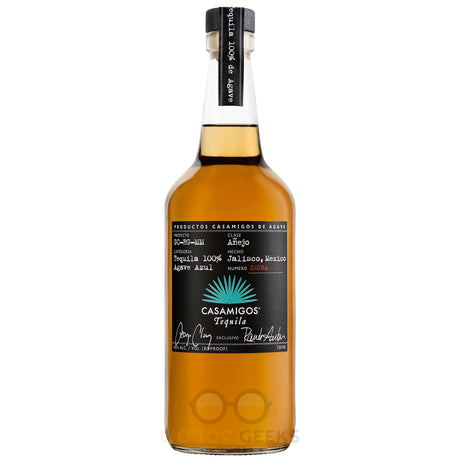
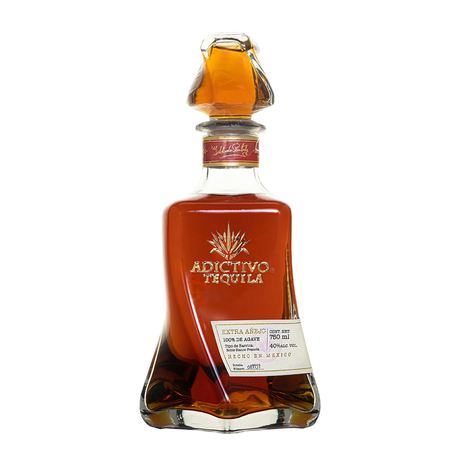
Reposado means "rested," and by law it spends two months to a year in oak. That window adds vanilla, caramel, and light spice while keeping most of the agave character intact, which is why reposado is often recommended as the easiest entry point for someone used to lightly aged spirits. Añejo requires one to three years in oak barrels no larger than 600 liters, producing a darker, more whiskey-adjacent profile with baking spice and dried fruit — you'll see that progression clearly if you taste something like Casamigos Tequila Añejo or Adictivo Tequila Extra Añejo, which pushes past three years into extra añejo territory and picks up noticeably more oak-driven depth. Cristalino, a newer category, takes an aged tequila and filters the color back out, aiming for barrel-influenced flavor in a blanco-clear glass — worth trying once you know your baseline preferences.
The Additive-Free Conversation
Mexican regulation permits 100% agave tequila to include small amounts of additives — glycerin for texture, oak extract or caramel coloring for consistency, sugar syrup to round out sharp edges — without disclosing them on the label. None of this is illegal, and plenty of well-regarded tequilas use additives in modest amounts. But a growing number of drinkers specifically seek out additive-free bottles, where nothing beyond water is used to adjust the final proof.
Brands built around organic, additive-free production are worth knowing by name if this matters to you. The 123 Organic Tequila Blanco is a straightforward example, distilled with certified organic agave and no adjustments after distillation. Casa Noble Reposado Tequila is another brand that has built its reputation partly on organic farming and minimal-intervention production. If additive-free matters to you, ask a specific question rather than trusting a marketing term: does the brand publish its full production process, and does it explicitly state nothing was added after distillation? Independent tasting communities and lab-testing databases exist specifically because label claims alone aren't always reliable.
Building Your First Shelf: Starter Bottles by Tier
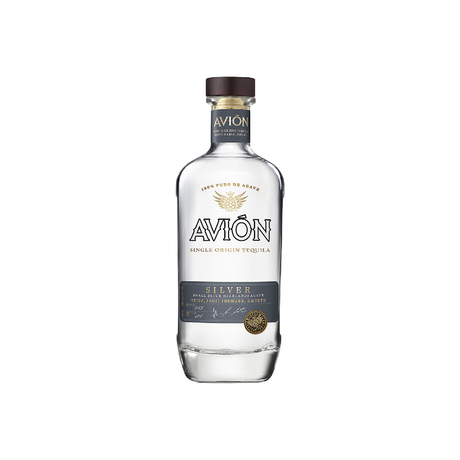
You don't need to spend at the collector level to learn what you like. At an accessible price point, a blanco like 1800 Silver Tequila or Avion Tequila Silver gives you a clean, mixable baseline that also works neat for comparison tasting. Moving to a mid-shelf bottle, a reposado such as Casa Noble Reposado shows what a few months of oak actually contributes without breaking your budget on a first purchase.
Once you know whether you gravitate toward bright agave-forward blancos or darker, oak-driven añejos, a premium age-stated bottle makes more sense as a deliberate choice rather than a guess. That's where something like Casamigos Añejo earns its place, and for readers who want to go further into extended-aging territory, collector-tier releases such as the Adictivo Extra Añejo demonstrate what three-plus years in oak does to an already well-made spirit. Buy one bottle at a time, taste it deliberately, and let your own palate — not the price tag — decide what tier you move to next.
How to Actually Taste Tequila
Skip the salt and lime if you're trying to actually evaluate a bottle. Pour a small amount into a tulip-shaped glass, a Glencairn, or even a small wine glass — anything that narrows toward the rim will concentrate the aroma better than a shot glass. Let it sit for a minute before nosing it; agave spirits open up with a little air. Take a small sip, let it coat your palate, and pay attention to where the flavor lands: up front (citrus, pepper), in the middle (cooked agave, vegetal notes), and on the finish (oak, spice, or a clean mineral snap on blancos). Tasting three styles from the same brand side by side — blanco, reposado, añejo — is the fastest way to understand what aging does, since you're holding fermentation and distillation constant and only changing the oak variable.
Frequently Asked Questions
What's the difference between tequila and mezcal?
Tequila must be made from blue Weber agave in five specific Mexican states, while mezcal can use dozens of agave varieties across a wider region, most commonly Oaxaca. Production methods also differ — traditional mezcal is often roasted in earthen pits, giving it a smokier profile than tequila's steam- or autoclave-cooked agave.
Does "100% agave" mean the tequila is additive-free?
No. Mexican law allows 100% agave tequila to contain small amounts of glycerin, oak extract, or coloring without disclosure. "100% agave" only guarantees the sugars came entirely from agave, not that nothing was added after distillation.
Is older tequila always better?
Not necessarily. Extended aging adds oak character but can also mute the agave notes that make tequila distinct in the first place. Many experienced drinkers actually prefer a well-made blanco or reposado over a heavily aged añejo, so treat age as a flavor variable, not a quality score.
What does the NOM number actually tell me?
It identifies the licensed distillery that physically produced the tequila, which can be more useful than the brand name since several labels sometimes share the same NOM. It won't tell you about additives or exact recipes, but it's a starting point for researching production practices.
What's a good first bottle for someone new to tequila?
A 100% agave blanco is usually the best starting point because it shows you the unfiltered character of the agave without oak influence. From there, tasting a reposado from the same brand helps you understand what aging adds before you commit to an añejo.
Shop Tequila at Liquor Geeks
Browse our full tequila collection to compare blanco, reposado, and añejo expressions across organic, additive-free, and traditional producers. Shipping rules vary by state — check our shipping eligibility page before ordering.