
Tropical rum has a marketing problem: plenty of bottles on the shelf lean on artificial coconut syrup and pineapple flavoring to fake a beach vacation, while a smaller group of producers actually ferment, distill, age, or macerate real fruit and toasted spice into the spirit itself. This guide separates the two, walking through eight rum bottles — from Hawaiian-style coconut expressions to Panama-aged sipping rum — that deliver tropical character without tasting like syrup poured over neutral spirit. If you're bored with the same Bacardi mixer on repeat, these are worth the detour.
What "Tropical" Actually Means in a Rum Bottle
Rum starts as fermented sugarcane juice, molasses, or cane syrup, so every bottle has some tropical DNA before a flavoring department ever touches it. The distinction that matters is where the fruit and spice character comes from. Column-still rums finished with natural extracts or macerated fruit can taste genuinely tropical if the producer uses real botanicals and keeps added sugar in check. Pot-still or aged rums get their coconut, banana, and dried-fruit notes for free, through fermentation esters and years spent in warm-climate warehouses where the angel's share pulls water out and concentrates flavor.
Neither approach is inherently better — a well-made flavored rum has its place behind a tiki bar, and an aged sipping rum has its place in a rocks glass. The problem is bottles that stack heavy cane sugar on top of thin base spirit and call it "tropical." Reading the label for ABV (proof drops fast when sugar syrup is added) and checking whether a producer discloses aging and origin will tell you more than the label art ever will.
Hawaiian-Style Coconut Rum: Whaler's and Koloa
Hawaii has its own flavored-rum tradition, built on Caribbean rum bases blended and bottled with island character in mind. Whaler's Killer Coconut Rum leans into toasted coconut and vanilla rather than the sweeter, more candied coconut profile you get from mainland brands — it pours pale gold and reads more like coconut cream than coconut syrup, which makes it a cleaner mixer for a piña colada or a painkiller.
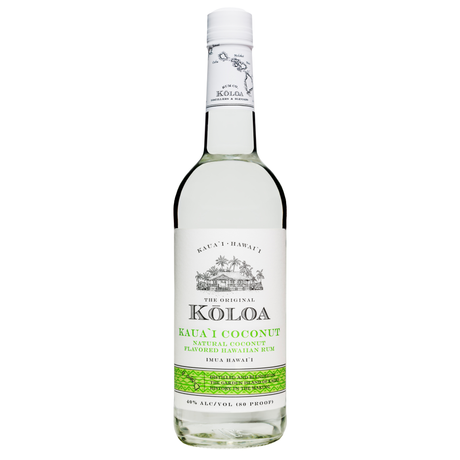
Koloa Kauai Coconut Rum comes out of Kauai and takes a similarly restrained approach, built on a rum base rather than a neutral-spirit shortcut. It works well chilled and sipped on its own in a way a lot of flavored rums don't, and it holds up in a simple two-ingredient mix with pineapple juice without disappearing under the fruit.
Caribbean Fruit Rums That Skip the Syrup Aftertaste
The Caribbean flavored-rum category is crowded, but a few bottles manage real fruit character instead of a one-note sugar hit. Malibu Pineapple Rum pairs the brand's familiar coconut base with tart pineapple rather than pure sweetness, which makes it more useful behind a home bar than the original expression — it splits the difference between a coconut rum and a pineapple rum instead of forcing you to choose.
Cruzan Mango Flavored Rum takes a different route, starting from Cruzan's Virgin Islands rum and infusing it with ripe mango rather than a generic tropical-fruit blend. Mango is a harder flavor to fake well than coconut or pineapple, so a rum that gets it right is worth noting — it reads true in a rum punch or stirred simply with lime and soda over ice.
Sipping Rums With Built-In Tropical Depth
If you want tropical character without a flavoring label at all, aged rum gets you there through barrel time instead. Bumbu The Original Rum is produced in Panama from Caribbean-sourced cane and finished in oak, and it leans into vanilla, banana, and baking-spice notes that read as tropical without a single added flavor listed as the headline. It's built for sipping neat or over one large cube, and it's approachable enough for someone who normally reaches for a spiced rum but wants something with more nuance.
Mezan Panama 2006 Rum goes further in the sipping direction. As a single-distillery, vintage-dated release, it carries buttery caramel and dried-apricot notes developed over years of tropical aging, with the kind of concentration you only get from extended barrel time in a warm climate. This is the bottle to reach for when you want to hand a rum skeptic something that argues for the category on its own, no mixer required.
Tiki Bar Staples: Trader Vic's Dark Rum
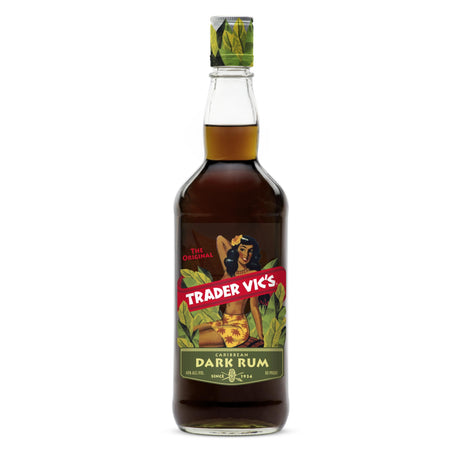
Trader Vic's Dark Rum is built specifically for tiki cocktails — a blend of Caribbean rums designed to carry molasses and dark-fruit weight through a Mai Tai, a Zombie, or anything else that calls for a dark rum float. It's not trying to be a sipping rum, and it doesn't need to be; its job is to stand up to falernum, orgeat, and citrus without getting lost, and it does that job well. If you're building a home tiki bar for summer, this is a more useful bottle than a second bottle of white rum.
How to Read a Tropical Rum Label Before You Buy
A few label habits separate the good bottles from the syrup-forward ones. First, check the ABV: a rum sitting well below the standard 40% often signals added sugar diluting the base spirit, which is common in the flavored category but worth knowing before you buy a bottle expecting a full-strength pour. Second, look for a stated country or region of origin — Caribbean, Hawaiian, and Central American producers each bring a distinct fermentation and distillation style, and a bottle that's vague about origin is usually vague about process too.
Third, distinguish flavored rum from spiced rum from aged rum on the label itself, since retailers and even producers use the terms loosely. Flavored rum has fruit or botanical extract added after distillation; spiced rum adds baking spices; aged rum develops tropical character purely through barrel time. None of these are better across the board — the right choice depends on whether you're building a poolside pitcher or pouring a slow sipper after dinner.
Frequently Asked Questions
What makes a rum taste "tropical" instead of just sweet?
Genuine tropical character comes from real fruit or botanical infusion, fermentation esters, and barrel aging in a warm climate, which concentrates coconut, banana, and dried-fruit notes naturally. Bottles that taste only sweet, with no fruit definition, usually rely on added sugar syrup rather than real flavor development.
Is coconut rum like Malibu considered a true rum?
Yes — coconut rums such as Malibu start from a genuine rum base, typically column-distilled from Caribbean sugarcane, before coconut flavoring is added. The rum base is real; the difference from an unflavored rum is the added botanical character and often a lower proof point.
What's the difference between Hawaiian-style rum and Caribbean rum?
Hawaiian brands like Whaler's and Koloa typically build on Caribbean rum bases but blend and bottle with island branding and often a more restrained, less syrupy flavor profile. Caribbean rum itself spans a wide range, from light mixing rums to aged sipping expressions from Panama, Barbados, and the Virgin Islands.
Can flavored rum be used in cocktails that call for regular rum?
Not always as a direct substitute — flavored rum brings sweetness and fruit character that can throw off a classic recipe like a Daiquiri or Mai Tai. It works best in cocktails designed around it, or as a partial swap alongside unflavored rum to add accent flavor without overwhelming the drink.
How should I store an opened bottle of flavored rum through summer?
Keep it upright, away from direct sunlight and heat, with the cap tightened between pours. Added sugar and lower proof in flavored rums make them slightly more prone to flavor drift over many months than a full-proof unflavored rum, so it's worth using an opened bottle within a year for best flavor.
Shop Rum at Liquor Geeks
Browse our full rum collection for more Caribbean, Hawaiian, and Central American bottles beyond the eight here. Shipping rules vary by state — check our shipping eligibility page before ordering.